


Are you wondering how long it takes for your ear piercing to heal? The healing time for ear piercings varies depending on the area: the lobe often heals in 6 to 8 weeks, while cartilage can take several months. You need to choose a quality piece of jewelry and follow proper daily care. Patience and consistency help you avoid complications.
Key Points
The lobe heals in about 6 weeks, while cartilage can take several months; respect these timeframes to avoid complications.
Choose a quality, hypoallergenic piece of jewelry, such as titanium or 14-karat gold, to promote fast healing without irritation.
Clean your piercing twice a day at the beginning with a mild saline solution, and avoid touching or turning the jewelry unnecessarily.
Avoid harsh products such as alcohol or hydrogen peroxide, as well as swimming in pools during healing.
Be patient and pay attention to signs of infection or irritation; consult a professional quickly in case of persistent pain, redness, or swelling.
Ear Piercing Healing Time
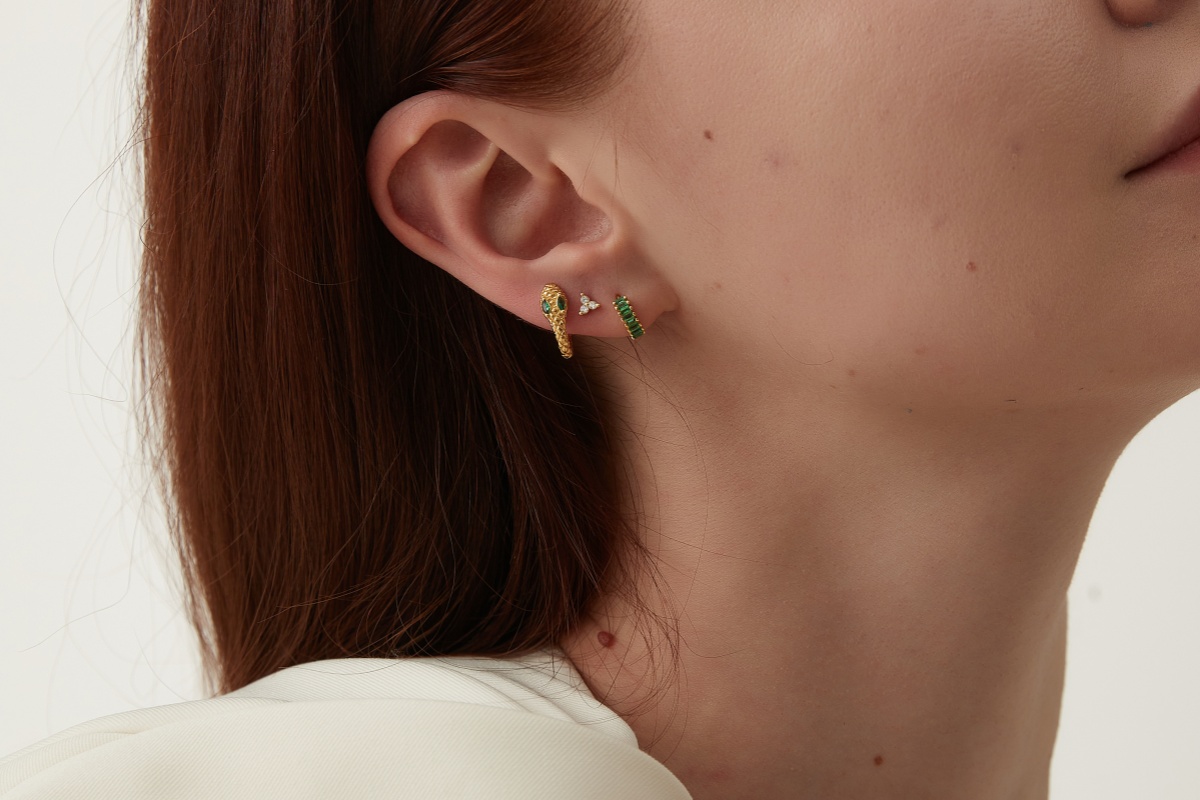
The healing time for ear piercings varies depending on the pierced area. You need to know these timeframes to avoid complications and plan your care properly. Here is a table summarizing the main information to remember:
Piercing type |
Healing time |
Main notes |
|---|---|---|
Lobe |
Wear your earrings at all times during this period. Healing often goes smoothly. |
|
Cartilage (anti-tragus, anti-helix) |
No precise data |
The risk of infection remains high. You may experience inflammation, an abscess, or even permanent deformation. |
Other areas |
No precise data |
The risks are similar to those of cartilage. This is why piercing is often limited to the lobe. |
Lobe
The earlobe heals faster than other parts. You can expect an ear piercing healing time of about 6 weeks for this area. During this period, you must keep your earrings in without interruption. The lobe has good blood supply, which helps the skin repair itself quickly. If you maintain good hygiene and choose suitable jewelry, you reduce the risk of infection.
Cartilage
Cartilage requires more patience. The healing time for ear piercings in the cartilage area remains difficult to estimate precisely. This area heals slowly, sometimes over several months. Cartilage receives less blood than the lobe, which slows down repair. You must pay close attention to hygiene and avoid touching or turning the jewelry. Infections in this area can lead to serious complications, such as inflammation or deformation.
Tip: If you notice persistent pain, intense redness, or swelling, consult a professional quickly.
Other areas
Some people choose to get other parts of the ear pierced, such as the anti-helix or tragus. The healing time for ear piercings in these areas remains uncertain. The risks of infection and complications are similar to those of cartilage. For this reason, professionals often recommend limiting piercings to the lobe, especially if you are just starting out.
The healing time for ear piercings also depends on several factors. You need to adopt a strict care routine, use quality jewelry, and avoid touching the area with dirty hands. If you follow this advice, you promote fast and trouble-free healing.
Choosing jewelry
Recommended materials
The choice of jewelry plays an essential role in the healing of your ear piercing. You should favor hypoallergenic and biocompatible materials. Implant-grade titanium remains the standard. This metal releases almost no particles and limits the risk of reaction. 316L surgical steel, bioflex, bioplast, acrylic, and silicone are also often used. These materials resist corrosion well and are tolerated by most people. You can also choose 14-karat gold or higher, but it must be pure and free of nickel-containing alloys.
Tip: Always ask for the exact composition of the jewelry before buying it. A good professional will know how to advise you.
Materials to avoid
Some materials cause irritation or allergies. Nickel remains the main culprit. About 10 to 12% of women and 6% of men develop an allergy to this metal. Even a small amount can be enough to trigger a reaction. Gold-plated or silver-plated jewelry, or those made of costume metal, often contain nickel or other irritating alloys. European regulations limit nickel release to 0.2 micrograms/cm²/week, but you must remain vigilant.
Nickel: highly allergenic, even in low doses
Costume metals: often mixed with irritating alloys
Plated jewelry: risk of metal release from under the plating layer
Risks
Unsuitable jewelry can delay healing or cause complications. You risk developing redness, itching, or swelling. Sometimes, an infection or allergic reaction occurs. Some reports mention reactions even with materials considered safe, such as gold or titanium. Every person reacts differently. You must therefore monitor the condition of your skin and change jewelry if you observe a reaction.
Do not hesitate to consult a professional if you have the slightest doubt about your jewelry's tolerance. A suitable choice promotes fast and trouble-free healing.
Daily care
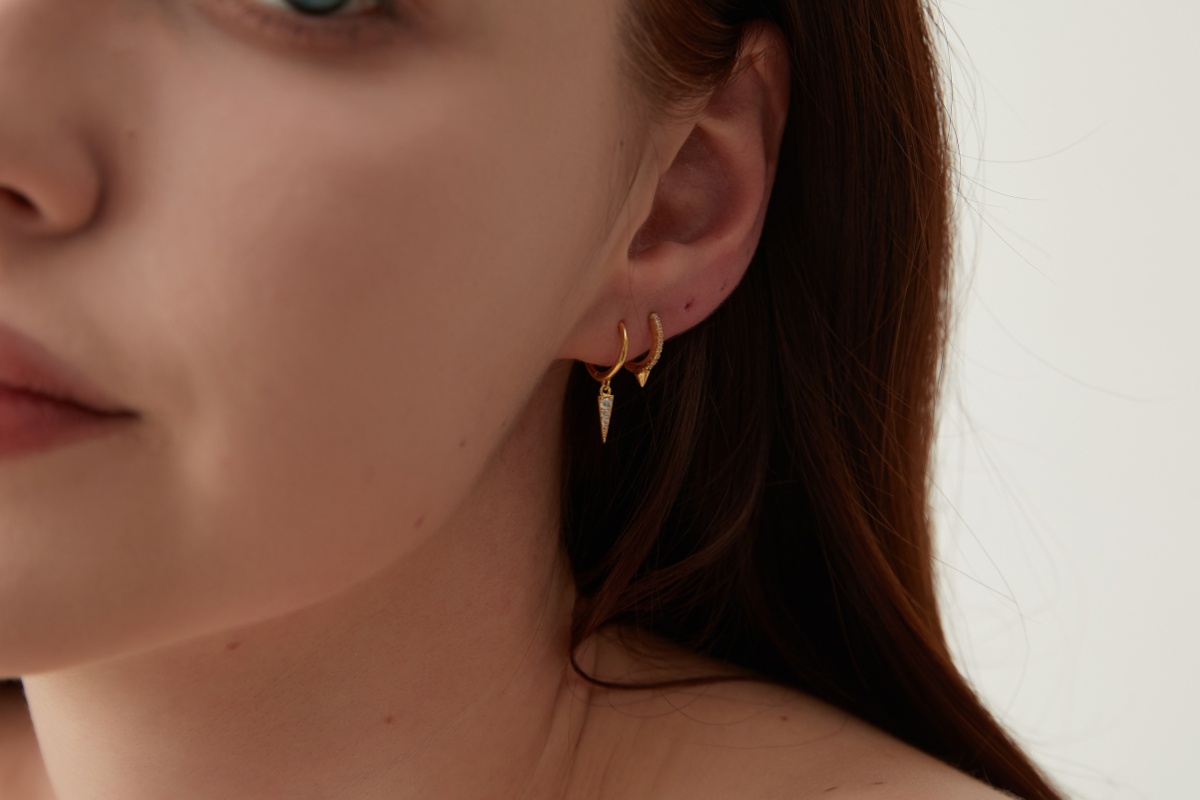
Essential steps
To properly take care of your ear piercing, you need to adopt simple but essential habits. Here are the steps to follow every day to limit the risk of infection and promote proper healing:
Always wash your hands before touching your piercing. Hands carry a lot of bacteria.
Avoid handling or turning the jewelry without reason. The less you touch it, the better.
Clean the pierced area with mild products, such as a sterile saline solution or a neutral pH soap.
Protect your piercing from impacts, friction, and risky environments, such as swimming pools or saunas.
Do not remove the jewelry before complete healing, even if you feel discomfort.
Stay patient and consistent with your care. Consistency makes the difference.
💡 Tip: If you notice redness, swelling, or unusual pain, consult a professional quickly.
Cleaning
Piercing cleaning should remain simple and gentle. You need to clean the pierced area twice a day, morning and evening, for the first fifteen days. Then, daily cleaning is enough. Use a homemade saline solution (hot water and non-iodized sea salt) or a commercially available sterile saline solution. Apply the solution with a clean compress, without rubbing hard. Let it air dry or gently pat with a clean towel.
Never use a cotton swab, as it can leave fibers and irritate the skin. Avoid getting the piercing wet outside of care, especially in swimming pools or public baths. Swimming increases the risk of infection.
Products to avoid
Some products slow down healing or irritate the skin. You must absolutely avoid:
Rubbing alcohol and hydrogen peroxide: they dry out and damage the skin.
Strong antiseptics such as Biseptine.
Antibiotic creams without medical advice.
Cosmetic products, makeup, sunscreen, or harsh shampoos on the pierced area.
Sun exposure and contact with sand.
Swimming in chlorinated or non-sterile water.
🚫 Never use a miracle disinfectant. Patience, cleanliness, and gentleness remain the best allies for successful healing.
Common problems
Inflammation
You may notice inflammation after an ear piercing. This reaction remains common, especially in the first few days. Inflammation manifests as redness, swelling, and sometimes a sensation of heat around the jewelry. Sometimes, the area becomes sensitive to the touch. This phenomenon indicates that your body is reacting to the wound. If you observe a small redness or slight swelling, do not worry right away. These signs often disappear with proper care.
💡 Tip: Continue to clean your piercing with a saline solution. Avoid touching or turning the jewelry unnecessarily.
Irritation
Irritation often occurs if you touch your piercing too often or use unsuitable products. You may see itching, scabs, or slight peeling. Sometimes, poorly chosen jewelry or excessive pressure on the ear also causes irritation. To limit this risk, always choose hypoallergenic jewelry and avoid sudden movements.
Here are a few habits to adopt to limit irritation:
Wash your hands before each care.
Use only mild products.
Do not scratch the area, even if it itches.
When to consult
Certain signs should alert you. If you notice that the inflammation persists or worsens, or if an infection spreads around the piercing, you must consult a healthcare professional. The appearance of a fever is also an important signal. These symptoms show that your body cannot control the infection. Even though no precise percentage exists, the persistence or extension of these signs requires a quick medical consultation.
🚨 Do not wait if you observe intense pain, purulent discharge, or a fever. A professional will know how to advise you and avoid complications.
Changing jewelry
Ideal time
You must wait for complete healing before changing your jewelry. Several signs show that your ear is ready:
The skin around the piercing no longer shows redness.
You no longer feel pain or sensitivity to the touch.
No discharge or scab appears on the pierced area.
The area remains clean and dry for several days in a row.
Certain factors slow down healing. For example, tobacco reduces blood circulation and weakens your immune system. If you take vitamin C (2000 to 3000 mg per day) and zinc (about 100 mg per day), you help your body heal faster. Never remove your jewelry if you see signs of infection. Always ask for a professional's advice if you have a doubt.
🕒 Patience: Always wait the recommended time for your area (6 weeks for the lobe, several months for cartilage).
Steps
To change your jewelry safely, follow these simple steps:
Wash your hands carefully with soap.
Clean the area around the piercing with a sterile saline solution.
Gently remove the old jewelry without forcing it.
Disinfect the new jewelry with a suitable solution.
Delicately insert the new jewelry into the hole.
Clean the area again after placement.
💡 Tip: If you encounter resistance or pain, stop and consult a professional.
Tips
Always choose jewelry made of titanium or at least 14-karat gold.
Avoid costume jewelry or nickel.
Do not change jewelry too early, even if you are in a hurry.
Continue daily care for a few days after the change.
Monitor the appearance of redness or pain.
👂 A successful jewelry change depends on your patience and attention. Take care of your ear to avoid any complication.
Always respect the healing time for ear piercings depending on the pierced area. Take care of your piercing every day and choose quality jewelry to avoid complications. Stay patient and monitor the evolution of your ear. If you encounter a problem or have a doubt, consult a professional. You thus ensure optimal healing and a successful experience.
FAQ
How long should you wait before sleeping on your new piercing?
You should wait at least 6 weeks for the lobe and several months for cartilage. Sleeping on the piercing too early can cause pain or slow down healing.
What should you do if your piercing bleeds or leaks a little?
Slight bleeding or clear discharge remains normal in the first few days. Clean gently with a saline solution. If the bleeding continues or the liquid becomes yellow or green, consult a professional.
Can you go to the pool with a new ear piercing?
Avoid the pool during healing. The water contains bacteria that can cause an infection. Wait until your piercing is completely healed before swimming.
Is it normal to have a small bump near the piercing?
Yes, a small bump can appear due to irritation or impact. Continue daily care. If the bump gets bigger or becomes painful, ask a professional for advice.
Should you turn the jewelry to prevent it from sticking?
No, you should not turn the jewelry. Leave it in place to avoid irritating the skin. Regular cleaning is enough to keep the area clean.


