


Want to enjoy swimming despite a new piercing? It's possible, but you need to stay vigilant. Healing can take several months depending on the area, as shown in this table:
Piercing type |
Healing time |
|---|---|
Lobe, lip, cartilage, septum |
3 to 4 months |
Cartilage (helix, conch, etc.) |
6 to 8 months |
Navel |
12 months |
To avoid complications, adapt your piercing care in summer. Discover the mistakes to avoid and the steps that protect your health.
Key Points
Avoid swimming in stagnant or questionable water to limit infections and always protect your piercing with a waterproof bandage before swimming.
Limit swimming time to 15-20 minutes and carefully clean your piercing with saline solution after each exposure to water.
Monitor your piercing after swimming for redness, pain, or discharge and consult a professional in case of signs of infection.
Risks for piercings in summer
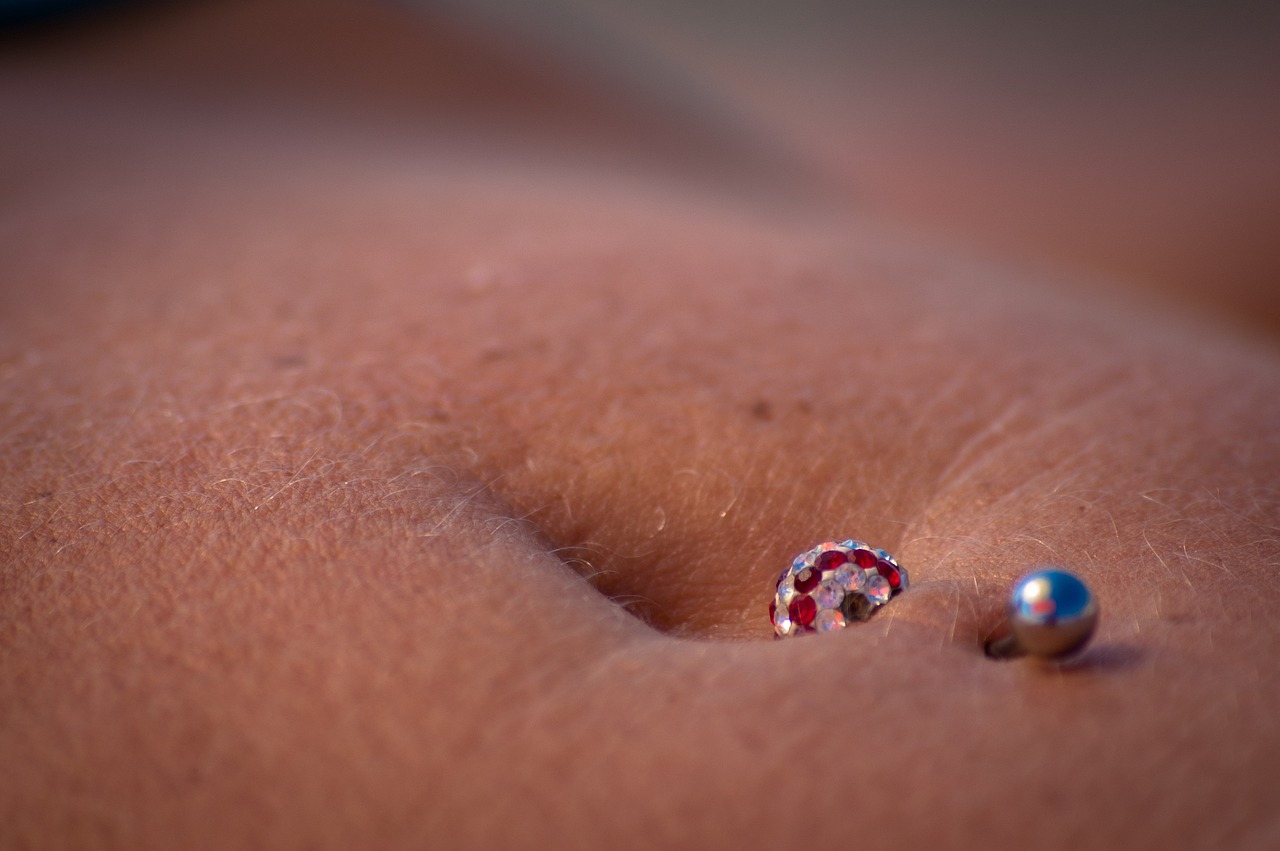
Healing and infections
You should know that a piercing remains fragile for several months, even if the pain quickly disappears. The skin takes time to close completely. During this period, you expose your piercing to significant risks, especially in summer. Infections represent the most frequent complication. They affect nearly a quarter of people who get pierced. You can develop an infection a few days after the procedure or later, especially if you touch your piercing with dirty hands or leave it in contact with unclean water.
Tip: Always follow hygiene rules and avoid handling your piercing without washing your hands.
Here are the main risks according to dermatologists:
Seawater can dry out the skin and promote infections.
Chlorinated pool water can delay healing.
Bacteria present in the water can cause infections.
Bacteria in water
You should also be careful around aquatic environments. Lakes and ponds often contain a lot of bacteria, especially in summer. Cyanobacteria thrive when it is hot and the water is stagnant. These bacteria can enter the wound and cause an infection. Even in a pool, chlorine does not eliminate all microbes. Saltwater from the sea can irritate the skin around the piercing.
To limit risks, adapt your piercing care in summer and avoid swimming in stagnant or questionable water.
Piercing care in summer: mistakes to avoid
Stagnant and unsupervised water
You should avoid swimming in stagnant water such as lakes, ponds, or unsupervised pools. These environments often contain a lot of bacteria, especially in summer. Warm, poorly circulated water promotes the proliferation of microbes. If you submerge your piercing in this type of water, you increase the risk of infection. Many people have already suffered from redness, itching, or even abscesses after swimming in questionable water. You can also experience complications such as jewelry rejection or the formation of keloids.
Tip: Always choose supervised and clean swimming areas to limit risks.
Prolonged immersion
Staying too long in the water exposes your piercing to damage. Prolonged immersion softens the skin and makes it easier for bacteria to enter. You should limit swimming time to 15 or 20 minutes maximum, especially during the healing period. Many people think that seawater or pool water is clean, but this is not always the case. A piercing left underwater for too long may show signs of irritation, swelling, or bleeding.
Here are some examples of complications related to prolonged immersion:
Excessive bleeding, especially after a recent piercing.
Inflammation and jewelry migration.
Appearance of redness and persistent pain.
Forgetting protection
You should always protect your piercing before every swim. Many people forget this essential step of piercing care in summer. Professionals recommend using a waterproof bandage to cover the pierced area. You can also apply a thin layer of petroleum jelly to limit contact with water. If you wear jewelry, choose a titanium, surgical steel, or gold model to avoid allergic reactions. Don't forget to check your tetanus vaccination before summer.
Tip: Always prepare a small kit with waterproof bandages and saline solution for your trips to the beach or pool.
Neglecting cleaning
After every swim, you must carefully clean your piercing. Many people neglect this step and expose themselves to infections. Water can introduce bacteria into the piercing area. You may then observe redness, pain, or discharge. Insufficient cleaning also promotes the formation of abscesses or keloids, especially for ear piercings.
Here are the steps to follow for proper piercing care in summer:
Clean the area with saline solution after every swim.
Monitor for the appearance of unusual signs such as swelling or pain.
Consult a professional if you observe discharge or persistent inflammation.
Never forget that consistency and precision in your care limit the risks of infection and complications.
Precautions according to the aquatic environment

Sea: swimming and care
You should stay vigilant when swimming in the sea. Saltwater contains bacteria and algae that can infect your piercing. Salt dries out the skin and slows healing. Before swimming, check the cleanliness of the water and protect your piercing with a waterproof bandage. After swimming, rinse the area with clean water. Avoid the sea during the first 7 to 10 days after the piercing.
It is recommended to dry the piercing thoroughly after swimming to prevent infections and promote healing.
Municipal pool: specific risks
Municipal pools present particular risks. Chlorine irritates the skin and does not kill all bacteria. You should wait at least one month after the piercing before swimming. Before entering the water, clean your piercing, apply a thin layer of petroleum jelly, and put on a waterproof bandage. After swimming, clean and disinfect the area with saline solution.
Private pool: practical tips
In a private pool, you can better control the water quality. Make sure the water is clean and properly treated. Always protect your piercing with a waterproof bandage. Limit immersion time and rinse the area with clean water after every swim.
Lakes: dangers to know
Lakes and ponds are often rich in bacteria, especially in summer. You should avoid swimming in cloudy or suspicious water. Always rinse your piercing with clean water after swimming. Choose supervised and clean places.
Hamam and sauna: precautions
Avoid the hamam, sauna, and baths during the first few weeks. These humid places promote the proliferation of bacteria. For two months, do not submerge your piercing in water. Prefer the shower for your piercing care in summer.
Always use waterproof bandages.
Avoid risky environments such as stagnant water or very crowded places.
Take into account the risk of serious infections in contaminated waters.
Good steps after swimming
Drying and cleaning
After every swim, you must dry and clean your piercing carefully. Prolonged moisture can irritate the skin and slow healing. Use a clean towel to gently pat the pierced area. Do not rub or twist the jewelry. Avoid sleeping on the piercing, especially if it is on the ear, because pressure can cause problems. Let your piercing air dry or dry it on a clean surface. Do not use a damp or dirty towel.
Tip: Never let your piercing dry on a towel. Prefer drying it flat to avoid any deformation or irritation.
Saline solution
Cleaning with saline solution remains essential after every exposure to water. Here is how to proceed:
Wash your hands carefully with antibacterial soap.
Soak a sterile gauze pad with saline solution.
Gently pat around the piercing to remove impurities.
Do not use cotton to avoid fibers.
Dry the area with a clean and dry gauze pad.
Never use alcohol or hydrogen peroxide, as these products dry out the skin and slow healing.
Monitor for signs of infection
After swimming, monitor your piercing for 72 hours. Inspect it morning and evening to detect any sign of infection. Pay attention to:
Localized redness
Swelling
Abnormal discharge
Warning signs: increasing pain, spreading redness, persistent heat, yellow or green discharge.
If you observe one of these signs, consult a professional quickly. Stay vigilant to enjoy summer safely.
Take care of your piercing all summer to avoid infections. Stay attentive to unusual signs. Here are some essential tips:
Protect your piercing from seawater or pool water during healing.
Clean the area twice a day with a gentle solution.
Cover it during swims.
Enjoy summer safely!
FAQ
Can I swim with a brand new piercing?
You should avoid swimming for at least two weeks after a new piercing. Water can slow healing and increase the risk of infection.
What should I do if my piercing becomes red after swimming?
Clean the area with saline solution.
Monitor the evolution.
Consult a professional if the redness persists or worsens.
Should I remove my jewelry before going to the pool?
You should not remove your jewelry. This can close the hole. Protect it with a waterproof bandage during swimming.


