


Do you want to keep your ear piercing healthy and avoid infections? To do this, it is essential to follow proper ear piercing aftercare. Safety and hygiene play a crucial role in this process. The choice of jewelry also affects healing. If you neglect these steps, you risk complications:
78% of infections appear within 72 hours after contact with water.
1 in 5 piercings experience problems due to early exposure to water.
10% of piercings have to be permanently removed.
Follow proper ear piercing aftercare and fully enjoy your jewelry.
Key Points
Choose a professional piercer in a hygienic studio to avoid infections.
Use hypoallergenic jewelry such as titanium or gold to promote healing.
Avoid touching your piercing with dirty hands to prevent complications.
Respect the recommended healing time to ensure the health of your piercing.
Adopt a daily cleaning routine to maintain the hygiene of your piercing.
Choosing a Professional Piercer
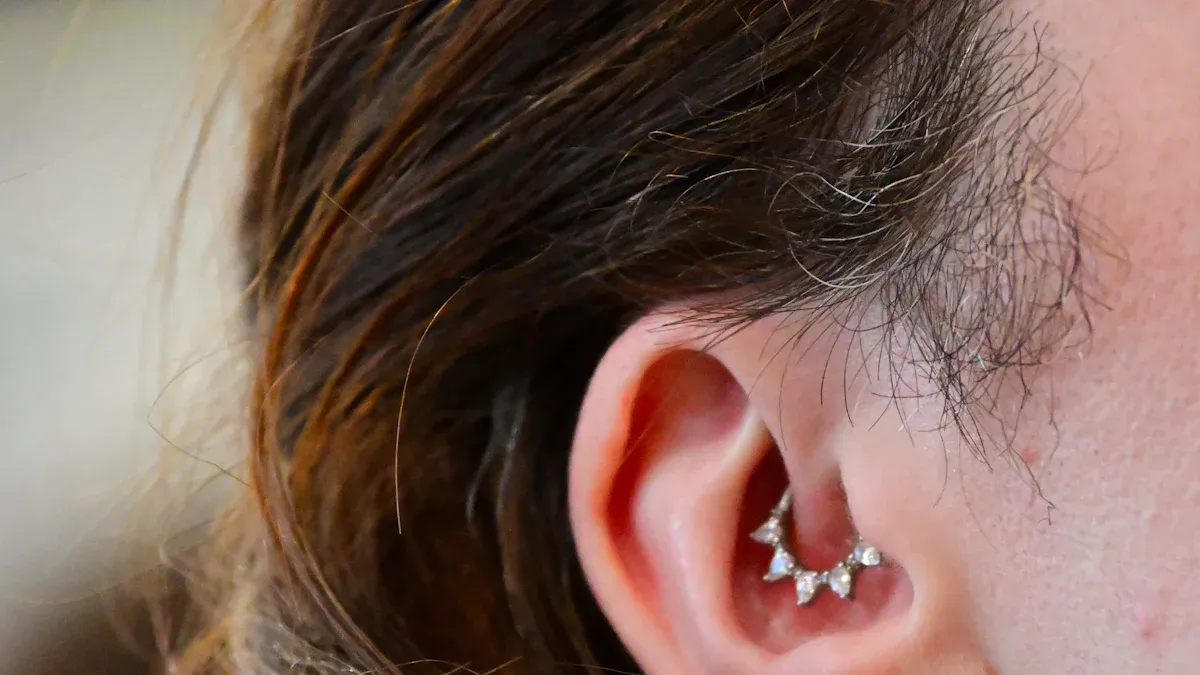
Hygienic Studio
You must choose a professional piercer to guarantee the safety of your piercing. A studio that respects hygiene standards protects your health and reduces the risk of infection. A good piercer has training in hygiene and sanitation. They hold authorization issued by a Regional Health Agency and a valid certification. These criteria show that the piercer knows the essential steps to avoid complications.
In a serious studio, the staff follows strict rules. They wash their hands according to a rigorous process, then disinfect them and wear sterile gloves. The piercer never touches infected skin or mucous membranes. They always disinfect the area to be pierced with an antiseptic. The studio declares its activity to the prefecture and respects the mandatory training in hygiene. These practices protect your ear and promote rapid healing.
Tip: Observe the studio before getting pierced. If you see gloves, sterile tools, and precise movements, you are in good hands.
Avoid Jewelry Stores and Guns
You must avoid jewelry stores that use piercing guns. These devices cannot be completely sterilized between each use. This increases the risk of contamination and infection. Piercing with a gun crushes the tissues instead of perforating them cleanly. This brutal method slows down healing and causes more pain.
Piercing guns do not guarantee a symmetrical hole. Piercing becomes approximate, which can deform your ear. Hygiene-related complications are frequent with these devices. You should favor a professional piercer who uses sterile needles. This technique respects your skin and ensures an aesthetic result.
⚠️ Tip: Always choose a specialized studio for your piercing. This way, you avoid risks and enjoy healthy jewelry.
Hypoallergenic Materials
Suitable Jewelry
You must choose hypoallergenic materials for your ear piercing. These materials protect your skin and promote rapid healing. Dermatologists recommend titanium, niobium, or platinum. You can also use plastic materials such as bioplast. They are flexible and safe for sensitive ears.
Here is a table presenting the most suitable materials:
Material |
Characteristics |
|---|---|
Surgical stainless steel 316 L |
Hypoallergenic, promotes healing |
Titanium |
Hypoallergenic, lightweight and resistant |
925 Silver |
Hypoallergenic, precious and durable |
You can also choose earrings from the SENSITIVE BY STUDEX or SENSITIVE POUR ENFANTS range. This jewelry is designed to avoid allergic reactions. Dermatologists sometimes advise coating the earring post with clear nail polish. This step limits contact with allergens.
💡 Tip: Always favor hypoallergenic jewelry for your first piercing. You reduce the risk of irritation and ensure optimal healing.
Risks of Unsuitable Materials
Non-hypoallergenic materials can cause allergic reactions. You may experience itching, redness, or irritation. Nickel remains the most common contact allergen in the world. Its prevalence varies from 8 to 19% depending on the country. Chrome and certain plastics such as PVC or propionate also cause reactions in sensitive people.
Nose studs and hinges sometimes contain allergenic materials.
Plastic glasses can cause allergies if they contain PVC.
Symptoms include redness, itching, and irritation.
You must avoid jewelry containing nickel or chrome. These metals increase the risk of allergy and slow down the healing of your piercing.
⚠️ Tip: If you notice a reaction, remove the jewelry and consult a professional. A suitable choice protects your skin and ensures the health of your ear.
Preparation Before Piercing
Recommended Age
Piercing ears requires thought, especially for younger children. Professionals recommend waiting until a certain age to guarantee the child's safety and comfort. Here is what you need to know:
You can consider an earlobe piercing from age 4.
Parental authorization remains mandatory for all minors.
Some studios prefer to wait until the child is at least 3 or 4 years old before offering a piercing.
📝 Tip: Always talk with a responsible adult before making your decision. A serious professional will ask you questions about your age and request written authorization if you are a minor.
Physical and Mental Preparation
Good preparation helps your body react better to the piercing and reduces the risk of complications. Take care of yourself before your appointment:
Drink plenty of water to keep your skin supple and healthy.
Sleep well the day before. A good night's sleep helps your body manage stress and promotes recovery.
Eat a balanced meal before leaving. This avoids discomfort related to stress or a drop in blood sugar.
Avoid alcohol, aspirin, and blood-thinning medications for at least 24 hours before the piercing.
Wear clean and comfortable clothes. They should not rub against your ears.
On the day of the piercing, you must also follow a few simple steps:
Wash yourself carefully to limit the risk of infection.
Choose quality jewelry to avoid irritation.
Monitor the appearance of redness, pain, or swelling after the piercing.
Consult a professional quickly if you notice a sign of infection.
💡 Tip: Stay calm and breathe deeply. Managing stress makes the appointment go more smoothly and makes the experience more pleasant.
Post-Piercing Precautions
Do Not Touch
After the piercing, you must avoid touching your piercing with dirty hands. Your fingers carry bacteria that can cause an infection. Even if you are curious or feel discomfort, it is better not to handle the area. You must always wash your hands carefully before touching your ears. This simple step protects your skin and promotes good healing.
You must also avoid turning or removing the jewelry during the first few weeks. Movement can irritate the skin and slow down healing. If you notice redness or swelling, do not panic. Monitor the evolution and contact your piercer if the symptoms persist. Ear piercing aftercare requires patience and rigor.
💡 Tip: If you need to clean the area, use a sterile compress and saline solution. Never scratch the scab that forms, as it protects the wound.
Avoid Headphones and Tight Clothing
You must avoid wearing headphones or audio headsets during the healing period. These accessories exert pressure on the piercing and promote the accumulation of bacteria. Favor speakerphone calls or headphones with no direct contact with the ear.
Tight clothing, such as beanies or thick scarves, can also irritate the pierced area. Choose loose clothing that does not rub against your ears. This way, you reduce the risk of inflammation.
Here are a few tips to follow after the piercing:
Avoid swimming in water for 7 to 10 days.
If swimming is unavoidable, use a waterproof bandage.
Always rinse the piercing with clean water after contact with water.
Schedule a follow-up visit with your piercer to check the healing.
By following these precautions, you ensure the success of your ear piercing aftercare and enjoy your jewelry in complete safety.
Ear Piercing Aftercare
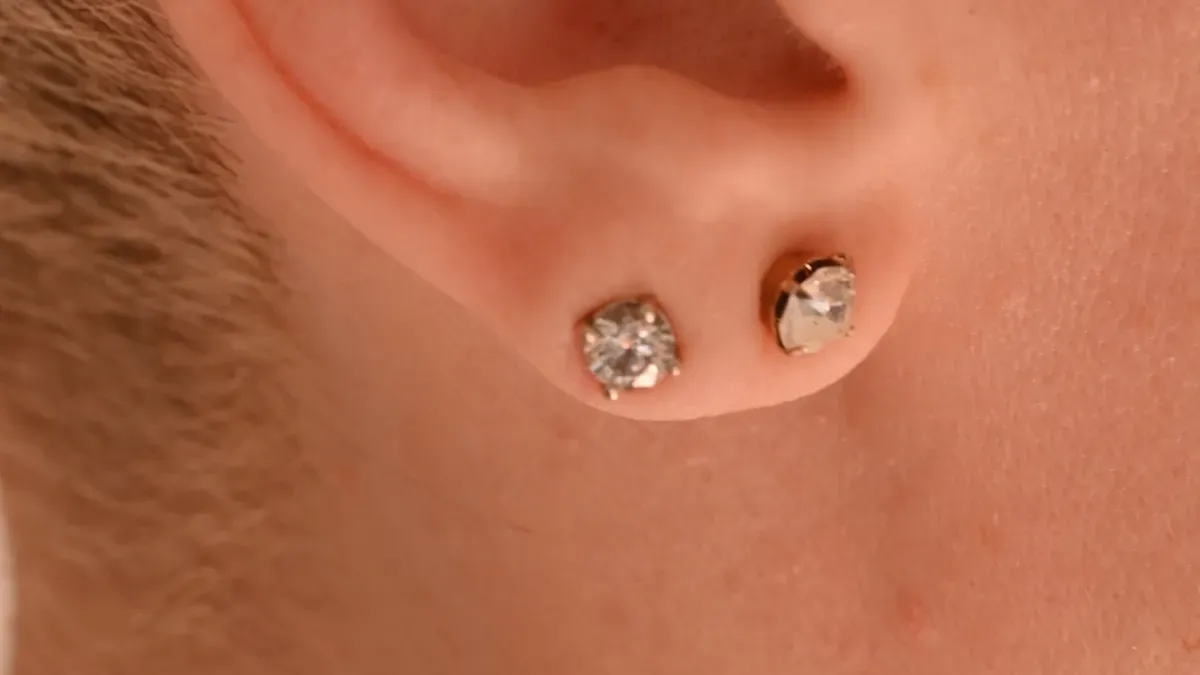
Taking care of your ear piercing requires rigor and regularity. A suitable routine protects your skin and promotes rapid healing. You must follow a few simple steps to avoid infections and keep your jewelry healthy.
Daily Cleaning
You must clean your piercing twice a day during the healing period. In the morning and evening, adopt a precise routine:
Wash your hands with soap and clean water. This step limits the risk of contamination.
Rinse your ear under warm water in the shower to soften deposits.
Apply a natural liquid soap, fragrance-free, around the piercing. Use a gentle cleansing gel in spray form if you prefer.
Rinse abundantly with clean water or physiological saline.
Pat the area with a clean and dry compress.
After initial healing, you can reduce the frequency to once a day or every two days. Continue to clean regularly to maintain hygiene and prevent infections. A regular routine is part of essential ear piercing aftercare.
🧼 Tip: Never turn the jewelry during cleaning. This step can irritate the skin and slow down healing.
Saline Solution and pH-Neutral Soap
To disinfect your piercing, use a saline solution in spray or sterile pads. This product hydrates and cleans the area without harming the skin. You can also choose a pH-neutral soap, without fragrance or alcohol. These products respect the natural balance of your skin and limit the risk of irritation.
Apply the saline solution to a sterile compress.
Gently clean around the piercing.
Rinse with warm water to remove residues.
You must avoid strong antiseptics or products containing alcohol. They dry out the skin and slow down healing. Ear piercing aftercare involves gentle and suitable products.
Sterile Compresses
Sterile compresses play an important role in daily maintenance. They allow you to clean the area without introducing bacteria. Always use a clean compress for each treatment. Gently pat around the jewelry to absorb moisture and residues.
Here are the steps to follow:
Wash your hands before each handling.
Soak the compress in saline solution.
Apply to the piercing without rubbing.
Leave to air dry.
💡 Tip: Get into the habit of checking that your jewelry stays properly in place after each treatment. A diligent routine of ear piercing aftercare guarantees rapid healing and limits complications.
Antiseptics and Products to Avoid
Occasional Use
You must use antiseptics with caution to maintain your ear piercing. Professionals recommend occasional use, especially in the first few days after the piercing. Antiseptics serve to eliminate bacteria and prevent infections. You can choose a saline solution or a gentle antiseptic, such as chlorhexidine, to clean the area around the jewelry.
You must apply the antiseptic only on the skin around the piercing, never inside the hole. Use a sterile compress to avoid contaminating the wound. Do not forget to wash your hands before each treatment. If you notice signs of infection, such as intense redness or discharge, you must consult a professional quickly. Occasional use protects your skin without disrupting natural healing.
💡 Tip: Favor saline solution for daily cleaning. Strong antiseptics should remain exceptional.
Risks of Excessive Use
You must avoid using antiseptics too often. Excessive use can slow down the healing of your piercing. The skin around the jewelry becomes fragile and can easily become irritated. The human body has a natural ability to repair itself. You should not rely solely on antiseptics to heal.
Here are the main dangers related to excessive use:
Excessive use of antiseptics harms natural healing.
You risk skin irritation around the piercing.
The body can repair itself without constant antiseptics.
You must follow the aftercare routine recommended by your piercer. If you use too many antiseptics, you risk weakening your skin and prolonging healing. Take care of your piercing with simple steps and suitable products.
⚠️ Tip: If you feel discomfort or irritation, stop using the antiseptic and ask for a professional's advice. Patience and gentleness promote healthy healing.
Moisture and Healing
Avoid Water
Moisture poses a risk to your healing ear piercing. Water carries invisible bacteria that can cause infections. You must therefore protect your ear from immersion. Damp environments such as swimming pools, lakes, the sea, or hot tubs promote the growth of germs. Even a short swim can be enough to delay healing.
Here are the precautions to follow to minimize risks:
Avoid swimming in pools, lakes, the sea, or hot tubs throughout the entire healing period.
Never dip your ear in water, especially in potentially contaminated water.
Avoid hot and humid places such as saunas or steam rooms.
Keep the pierced area clean and dry after showering. Gently pat it dry with a clean towel.
💡 Tip: If you absolutely have to go to a damp place, protect your ear with a waterproof bandage. Remove it as soon as possible to let the skin breathe.
Healing time
Patience remains essential for a healthy ear piercing. Healing does not happen in a few days. You must monitor your ear and follow your piercer's advice. Generally, a lobe piercing takes about six months to heal. For a conch or cartilage piercing, healing can take from 6 to 12 months, sometimes up to 18 months, depending on your hygiene and anatomy.
Be vigilant throughout the entire healing period.
Always choose suitable materials for your jewelry.
Follow your piercer's recommendations to avoid complications.
🕒 Note: Even if your ear appears healed on the outside, the skin on the inside can remain fragile. Continue aftercare until the end of the recommended period to enjoy a healthy and long-lasting piercing.
Choosing jewelry after healing
Materials to prioritize
After your ear piercing has healed, you must choose materials that are gentle on your skin and ensure the safety of your jewelry. Professionals recommend hypoallergenic metals to avoid adverse reactions. You can opt for implant-grade titanium, as it is lightweight and does not cause allergies. 14- or 18-karat gold offers exceptional durability and reduces the risk of rejection or keloids. Medical-grade surgical steel is also a reliable and affordable option.
Here is a list of materials to prioritize:
Titanium, widely used by piercers for its hypoallergenic properties.
14- or 18-karat gold, known for its durability.
Surgical steel, accepted by most skin types.
You should avoid 925 silver at first, as it can cause irritation. Low-end plated jewelry is likely to wear out quickly and expose your skin to allergens. Rings that are too tight slow down healing and promote complications.
💡 Tip: Always choose quality piercings and avoid allergenic materials to preserve the health of your ear.
Adapting to your style
You can express your personality through the choice of your jewelry while respecting the safety of your piercing. Gold remains a suitable metal thanks to its hypoallergenic properties and durability. Titanium and surgical steel allow you to vary shapes and colors without risking irritation. You can also opt for niobium or glass, which offer original designs.
To adapt your jewelry to your style, observe the shape of your ear and the position of the piercing. Helix piercings require special attention and an adequate healing period. You must avoid ignoring signs of healing, as this can lead to infections.
Material |
Safety |
Style |
Durability |
|---|---|---|---|
Titanium |
✅ |
🎨 |
✅ |
925 Silver |
✅ |
✨ |
✅ |
Surgical Steel |
✅ |
🖤 |
✅ |
Niobium |
✅ |
🌈 |
✅ |
Glass |
✅ |
🔵 |
✅ |
📝 Tip: Take the time to choose jewelry that suits you, but always check the quality of the material to avoid complications.
You must remember the essential points to ensure the longevity of your piercing:
Follow a strict hygiene routine and an ear piercing aftercare routine.
Prioritize materials such as titanium or 18-karat gold.
Wait the recommended healing time.
Consult a professional if you notice intense redness, swelling, or severe pain.
To fully enjoy your jewelry, prepare yourself, choose a qualified piercer, and take care of your ears every day.
FAQ
How long should you keep the initial jewelry?
You should keep the initial jewelry for at least 6 weeks for a lobe and 3 to 6 months for cartilage. This time allows your ear to heal properly.
What should you do if your piercing becomes red or painful?
Consult a professional piercer or doctor quickly. Do not remove the jewelry yourself. Clean the area with a saline solution and avoid touching the piercing.
Can you sleep on your new piercing?
No, you should avoid sleeping on the side with the piercing. Pressure can irritate the area and slow down healing. Use a soft pillow to protect your ear.
What products should you avoid when cleaning your piercing?
Avoid alcohol, hydrogen peroxide, and greasy creams. These products irritate the skin and slow down healing. Opt for a saline solution or a mild, pH-neutral soap.


