


You want an ear piercing? Take the time to prepare properly. In France, more than a thousand studios welcome nearly 100,000 people for a piercing every year. You need to have a few essential products ready: saline solution, sterile gauze, pH-neutral soap, antiseptic solution, and healing cream. You protect your health by maintaining good hygiene. Minor infections, scarring, or piercing rejection can occur, especially in cartilage. Follow the Preparations for an ear piercing for a successful experience.
Key Points
Choose a qualified piercer to ensure a hygienic and safe procedure.
Gather the essential products: saline solution, sterile gauze, mild soap, and antiseptic solution.
Clean the piercing area twice a day to prevent infections.
Monitor for signs of infection such as redness, swelling, or discharge.
Consult a professional if you have any doubts or concerning symptoms.
Preparations for an ear piercing
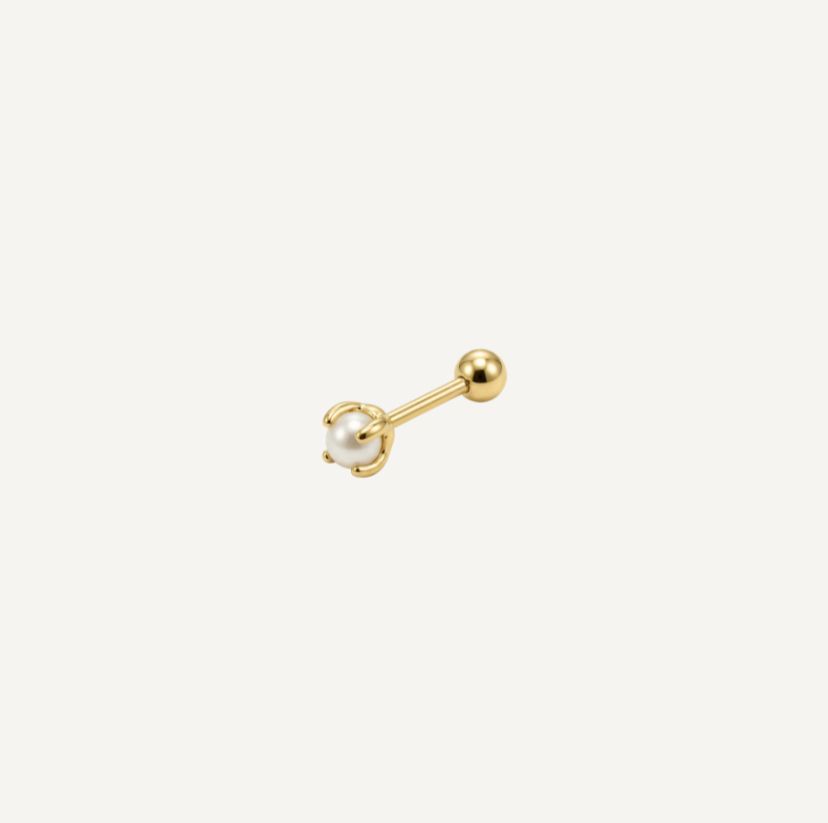
List of essential products
You need to gather several products before starting the Preparations for an ear piercing. Health professionals recommend these items to ensure perfect hygiene and fast healing:
Sterile gauze
Antiseptic solution
Healing cream
Tip: Choose products suited to your skin type. This helps you avoid adverse reactions and promotes optimal healing.
The purpose of each product
Are you wondering why each product is important in the Preparations for an ear piercing? Here is a table that helps you understand their role and use:
Product |
Main role |
Usage tips |
|---|---|---|
Saline solution |
Gently cleanses, reduces inflammation, promotes healing |
Apply with sterile gauze twice a day. |
Sterile gauze |
Allows you to apply the saline solution without contaminating the area |
Use a new gauze pad for each cleaning. |
pH-neutral soap |
Cleanses the skin without being harsh or irritating |
Wash the area around the piercing morning and evening. |
Antiseptic solution |
Disinfects in case of infection or redness |
Use only if you notice signs of infection. |
Healing cream |
Speeds up healing and protects the skin |
Apply once the pain subsides, according to the professional's recommendations. |
You use saline solution to remove impurities and soothe irritation. This product creates a clean and natural environment without harsh ingredients. Sterile gauze is used to apply the saline solution and prevent contamination. pH-neutral soap protects your skin and helps prevent infections. You should clean the piercing area at least twice a day, especially during the first few days.
Antiseptic solution is not necessary immediately after the piercing. Keep it handy to treat an infection or redness. Healing cream speeds up healing. Apply it when the area becomes less painful.
Note: A follow-up visit with a professional is recommended one month after the piercing. This allows you to check the healing and receive personalized advice.
By following these Preparations for an ear piercing, you limit risks and ensure a pleasant experience. You take care of your skin and monitor every step to avoid complications.
Hygiene before and after the piercing
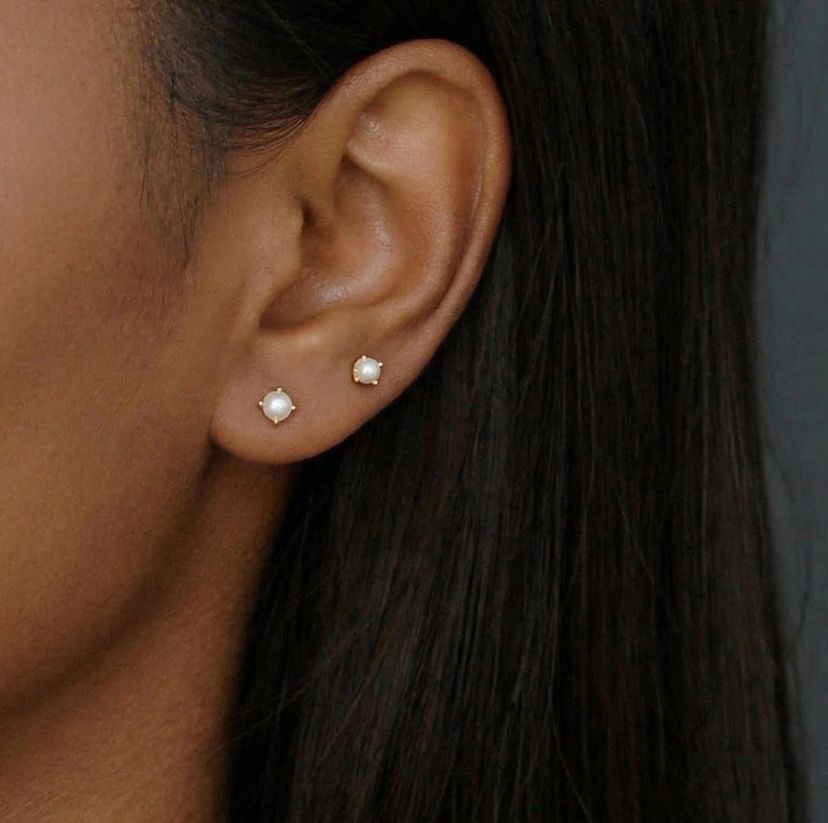
Hand and area washing
You should always start by washing your hands before touching your ear or jewelry. Hands carry bacteria that can cause infections. Wash your hands before eating, after using the bathroom, or after touching shared objects. If you have taken public transportation or been in contact with a sick person, wash your hands as well. This simple gesture protects the pierced area.
To clean the ear area, prepare all the necessary equipment: sterile saline solution, warm water, mild soap, cotton swabs, or sterile gauze. Start by washing your hands, then use a gauze pad soaked in saline solution to gently clean around the piercing. Rinse with warm water and dry gently with a clean towel. Never use irritating products such as alcohol or hydrogen peroxide.
Tip: Avoid swimming in untreated water for 7 to 10 days after the piercing. This reduces the risk of infection.
Jewelry handling and cleaning
Never touch your jewelry without washing your hands. Handle it only for cleaning. Use a saline solution or a specific piercing cleaner. Apply the solution with sterile gauze and gently clean the jewelry and the surrounding area. Avoid turning or moving the jewelry too often, as this can irritate the skin and slow down healing.
Choose jewelry made of titanium or 18-karat gold to limit allergic reactions and promote healing. Never remove the jewelry without a professional's advice, even if you notice redness or discharge. Monitor for signs of infection such as persistent pain, heat, or swelling. Consult a specialist if you notice these symptoms.
Remember: Good hygiene is part of the Preparations for an ear piercing and protects your health at every step.
Infection prevention
Signs to monitor
You should monitor your ear every day after the piercing. Infections remain rare, but you can recognize them quickly if you notice certain signs. Here are the main symptoms to monitor:
Redness: Slight redness may appear immediately after the piercing. If the color becomes more intense or spreads, it may indicate an infection.
Swelling: A little swelling is normal. If your ear swells significantly or becomes very sensitive, stay vigilant.
Discharge: Clear discharge should not worry you. If you see pus or a foul-smelling substance, consult a professional.
Pain: Mild pain is common at the beginning. If the pain increases or does not go away, ask your piercer or a doctor for advice.
💡 Infections more commonly affect cartilage piercings. This area heals more slowly due to poor blood circulation.
Use of antiseptic solution
You can prevent infections by cleaning your piercing every day. Use a mild saline solution, such as saline solution, or a special antiseptic solution recommended by your piercer (for example, Diaseptyl or a suitable antiseptic spray). Here is how to use these products properly:
Always wash your hands with mild soap before touching your ear.
Soak a sterile gauze pad with saline solution or antiseptic.
Gently clean the area around the piercing without rubbing.
Never apply pure alcohol, hydrogen peroxide, or undiluted essential oils. These products irritate the skin.
Repeat this cleaning 1 to 2 times a day, according to your professional's advice.
📝 If you notice signs of infection, consult a specialist quickly. Do not wait for the situation to worsen.
Optimal healing
Following recommendations
You want your piercing to heal quickly and without issues? Follow these key steps every day:
Clean the area with a mild saline solution or sea salt.
Always wash your hands before touching your ear.
Avoid alcohol or harsh products that slow down healing.
Continue care even after the first signs of healing disappear.
You should also avoid touching or playing with your jewelry. Do not let your hair, headphones, or clothing catch on the piercing. Sleep on your back and change your sheets often. Never remove the initial jewelry too early. Disinfect every new piece of jewelry before wearing it.
⚠️ If you do not follow this advice, you risk an infection, poor healing, or jewelry rejection.
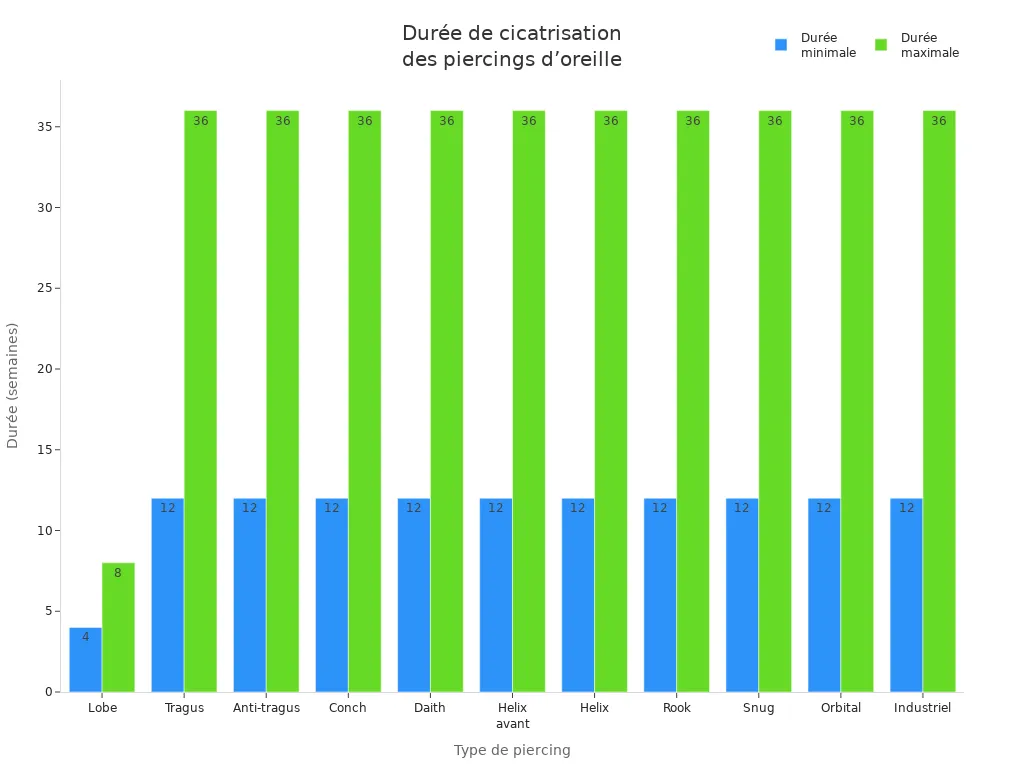
Here is an overview of healing times according to the type of piercing:
Choosing a professional
For a successful piercing, choose a qualified piercer. Check that they have training in hygiene and sanitation, as well as experience with the type of piercing you want. The studio should be clean, the tools sterilized, and the customer reviews positive.
"A good piercer guarantees a hygienic procedure, precise jewelry placement, and tailored advice for healing."
Take into account the professional's reputation. A competent piercer will reassure you and explain each step.
When to consult a specialist
You should consult a specialist if you notice:
Yellow, green, or foul-smelling discharge.
Persistent pain after several months.
Migration or rejection of the jewelry.
A professional can advise you, prescribe a treatment, or antibiotics if necessary. Never remove the jewelry without medical advice, as this can worsen the infection.
You should remember several essential points to make your ear piercing a success:
Choose a professional piercer who respects hygiene standards.
Prepare all the necessary products: sterile gauze, saline solution, mild soap.
Clean the area twice a day to limit the risk of infection.
Monitor for signs of redness or pain.
Consult a specialist if you have any doubts. You will get tailored advice and avoid complications. Plan every step to enjoy a comfortable and safe experience. 😊
FAQ
How long does it take for my ear piercing to heal?
Healing time varies depending on the area. The lobe heals in 6 to 8 weeks. Cartilage takes 3 to 6 months. You should continue care until complete healing.
Can I change my jewelry soon after the piercing?
No, you must wait until it has completely healed before changing the jewelry. Changing it too early can cause an infection or delay healing. Always ask your piercer for advice.
What should I do if my piercing becomes red or painful?
Observe the area carefully. If the redness or pain persists, clean it with a saline solution. Consult a professional if the symptoms worsen or if you see pus.
What jewelry should I choose to avoid allergies?
Choose titanium, 18-karat gold, or surgical steel. These materials limit the risk of allergies. Avoid costume jewelry at the beginning.


