


Are you torn between a snug and a conch piercing? The main difference lies in their exact location on the ear. The snug is placed on the inner ridge, while the conch goes through the central cartilage. Both styles are attracting more and more fans in 2023, each finding its place in current trends:
The snug is appealing thanks to the “curated ear” effect.
The conch is popular for its customization and unique look.
Before choosing, think about several important criteria:
Position on the ear.
Visual style, subtle or bold.
Pain level, which depends on your sensitivity.
Healing time, which varies depending on your patience.
Rigorous aftercare remains essential to avoid infections and ensure proper healing.
Key Points
The snug piercing is placed on the inner ridge of the ear, while the conch goes through the central cartilage.
Choose the snug for a subtle and graphic look, and the conch for a central and bold style.
The pain of the snug is often more intense than that of the conch, which is generally moderate.
Rigorous aftercare is essential to avoid infections and ensure successful healing.
Always consult a professional piercer for advice tailored to your anatomy and needs.
Snug and conch placement
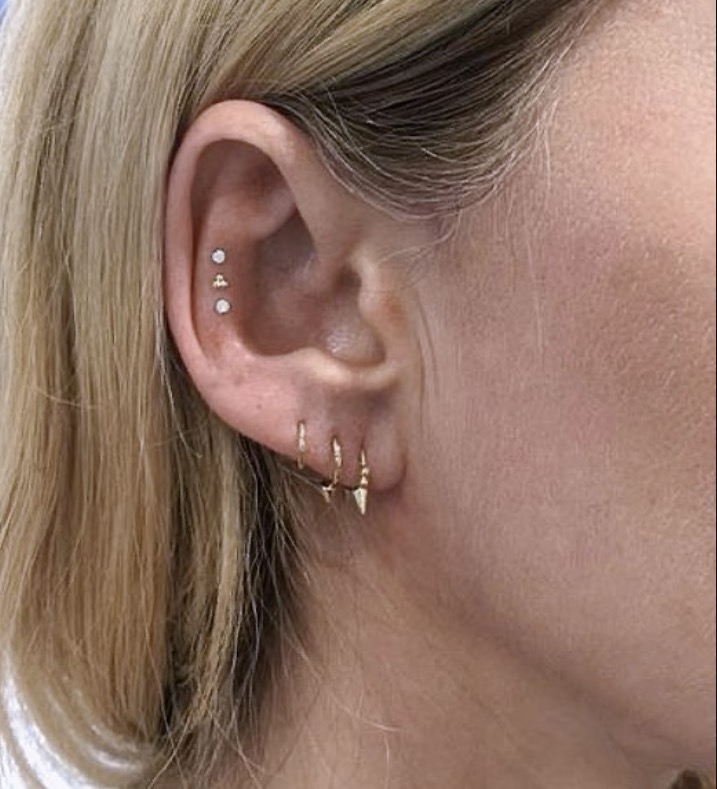
Where is the snug piercing located?
The snug piercing is placed on the fold of cartilage that faces directly toward the external auditory canal. You can find it in the middle of the ear, just below the part called the helix. This area forms a clearly visible inner ridge. The snug goes through this fold horizontally, giving it a unique and fairly rare look. This particular positioning influences the choice of jewelry. You should prioritize suitable materials to limit the risk of irritation. The healing process may also take longer due to the thickness of the cartilage in this area.
Where is the conch piercing located?
The conch piercing is located in the inner part of the earlobe, called the conch. This area forms a kind of central “bowl,” just before the auditory canal. The conch stands out from the snug due to its more central position and wider surface area. You can choose between two variants: the inner conch, which goes through the conch, and the outer conch, placed on the edge of this same area. This placement offers many customization possibilities with jewelry of different sizes and shapes.
Tip: Carefully observe the shape of your ear in front of a mirror. You will easily spot the difference between the snug ridge and the conch conch.
Here is a summary of the anatomical differences:
The snug goes through the fold of cartilage facing the auditory canal, below the helix.
The conch is located in the inner part of the ear, in the center of the earlobe.
Each placement gives a distinct visual result. The snug piercing stands out for its horizontal and subtle look, while the conch appeals with its central position and the variety of possible jewelry.
Snug vs. conch differences
Aesthetics and style
The look of a snug piercing differs greatly from that of a conch piercing. The snug stands out for its horizontal position on the inner ridge of the ear. It gives a graphic and subtle effect. You can pair it with other piercings to create a personalized ear. The conch, on the other hand, occupies the center of the earlobe. It catches the eye with its size and the possibility of placing more imposing jewelry there.
Here is a table to compare the two styles:
Criterion |
Snug piercing |
Conch piercing |
|---|---|---|
Position |
Inner ridge, horizontal look |
Center of the ear, central look |
Visibility |
Subtle, refined |
Visible, “bold” effect |
Possible jewelry |
Thin rings, short bars |
Wide rings, studs, chains |
Trendy combinations |
Asymmetrical, geometric, double snug |
Multiple jewelry, stacking |
You can personalize each piercing according to your desires. Current trends include:
Asymmetrical combinations (for example: snug + helix + lobe)
Geometric styles like the double snug
Gold jewelry or jewelry set with precious stones (zirconia, diamond)
Tip: If you are looking for a minimalist look, the snug piercing easily fits into a subtle composition. For a bolder effect, the conch allows you to dare with bulky jewelry.
Why choose one over the other?
The choice between a snug and conch piercing depends on your personality and expectations. If you want an original but subtle piece of jewelry, the snug will suit you. It is for those who like refined details and asymmetrical compositions. You can also opt for a double snug if you appreciate geometric shapes.
The conch piercing attracts people who want a central and striking effect. It offers more room for imposing jewelry or personalized creations. If you like to change your style or accumulate several pieces of jewelry, the conch will give you more freedom.
Here are some typical profiles:
Are you looking for discretion? Go for the snug.
Do you want a bold and customizable look? The conch will be your ally.
Do you appreciate precious materials? Both piercings accept gold and stones, but the conch will highlight large ornaments more.
Don't forget: every ear is unique. Take the time to observe the shape of yours and imagine the final result before you start.
Snug and conch piercing pain
Snug pain level
When you are considering a snug piercing, it is important to know that this area of the ear is known for being one of the most sensitive. Many people feel more intense pain during the snug piercing compared to other locations. Several factors explain this sensation:
The thickness of the cartilage in this area makes the piercing more difficult.
The piercing technique often requires more precision and pressure.
Your personal anatomy can influence the pain: some ears have denser cartilage.
Your pain tolerance threshold also plays an important role.
You can expect sharp and pronounced pain at the time of piercing, followed by persistent discomfort for a few days. This sensation gradually subsides, but the snug is still known for being a choice reserved for people ready to endure more pronounced pain.
Tip: Breathe deeply and relax before the session. An experienced professional will know how to minimize discomfort.
Conch piercing pain
The conch piercing generally causes moderate pain, often described as bearable even for beginners. Professionals and clients rate the pain around 5 to 6 out of 10. You will first feel a sharp sting, similar to a strong pinch, but this sensation remains brief. Then, a dull pain may appear, comparable to a light blow to the ear, accompanied by redness or temporary swelling.
Sharp but short pain during piercing.
Cartilage sensitivity for a few days.
Redness and swelling possible, but generally moderate.
Most people find the conch easier to bear than the snug. This piercing is therefore well suited if you are starting out or if you are looking for a less painful experience.
Healing and aftercare
Snug healing time
You should know that healing a snug piercing requires patience. Professionals estimate that cartilage takes between 6 and 12 months to heal completely. This duration varies depending on your hygiene, general health, and adherence to daily care. During this period, avoid changing jewelry or unnecessarily handling the area. Regular follow-up with your piercer can help you quickly detect any sign of irritation.
Conch healing
The healing of a conch piercing depends on several factors. The choice of jewelry plays an important role: prioritize titanium or 14-karat gold to limit the risk of allergy. A strict care routine, with cleaning using a saline solution, promotes optimal healing. You should also avoid changing jewelry too early, as healing can take several months. Patience remains your best ally to obtain a healthy and aesthetic result.
Aftercare tips
To avoid complications, adopt a rigorous aftercare routine from day one:
Always wash your hands before touching your piercing.
Clean the area with a sterile saline solution, two to three times a day.
Do not touch your piercing with dirty hands.
Do not apply harsh or alcoholic products.
Use a natural healing ointment if needed.
Try gentle alternatives like manuka honey or tea tree essential oil.
Do not sleep on the pierced ear to avoid friction.
Carefully follow your piercer's advice.
Regular aftercare and impeccable hygiene considerably reduce the risk of infection and promote beautiful healing, whether for a snug or conch piercing.
Snug piercing styles and jewelry
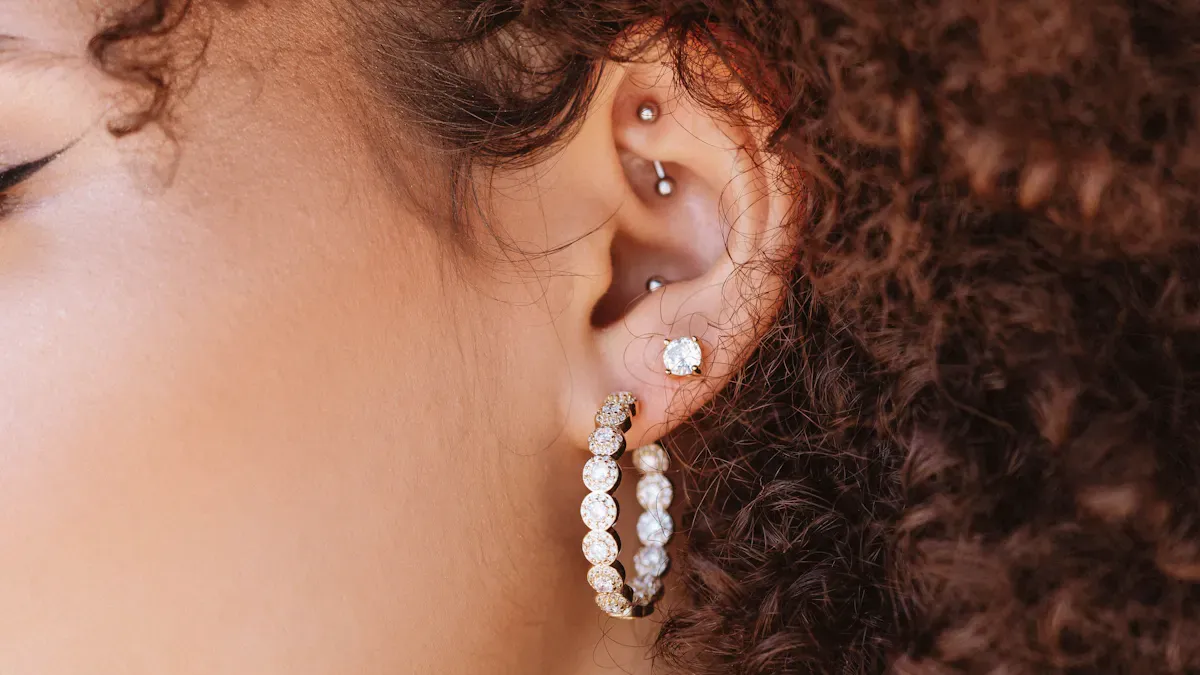
Classic and double snug styles
The snug piercing stands out for its graphic and subtle style. You can choose a classic look with a single piece of jewelry, often a small curved bar that follows the shape of the inner ridge of the ear. Trend enthusiasts sometimes opt for the double snug, a variant consisting of placing two parallel piercings in the same area. This style brings a geometric and modern touch to your ear. You can also combine the snug with other piercings to create a unique and personalized composition.
Suitable snug jewelry
To guarantee comfort and safety, there are several types of jewelry suitable for the snug:
Curved bar: ideal for following the shape of the cartilage and limiting friction.
Thin ring: brings a minimalist touch, but requires advanced healing.
Micro-barbell: perfect for a subtle and easy-to-maintain look.
Tip: Always prioritize a well-fitted piece of jewelry to avoid snagging and promote healing.
Recommended materials
The choice of material plays a key role in the success of your snug piercing. Professionals recommend biocompatible and hypoallergenic materials to limit the risk of allergy, especially to nickel. Here are the safest options:
Implant-grade titanium (ASTM F-136): lightweight, nickel-free, perfectly tolerated by the skin.
316L or 316LVM surgical steel: affordable, but to be avoided if you have sensitive skin.
14 or 18-karat gold (nickel-free): elegant and hypoallergenic, but requires regular maintenance.
Bioflex, Bioplast or silicone: temporary, flexible and comfortable solutions, but less durable.
These materials reduce the risk of allergic reactions and promote healthy healing.
Conch trends
Current conch styles
You are observing a rapid evolution in conch piercing styles. Influencers and piercing salons highlight looks inspired by celebrities. Social media plays a major role: you notice that young people are adopting styles seen on Instagram or TikTok. Cartilage piercings, including the conch, are gaining popularity every year. You can choose a minimalist style or opt for a bolder composition. Salons often recommend jewelry that highlights the natural shape of your ear.
Materials like surgical steel and titanium remain the favorites. You benefit from their durability and biocompatibility, which reduces the risk of irritation.
You also notice a growing demand for gold and precious stone jewelry. These options add a touch of luxury to your piercing. Current styles prioritize customization: you can pair your conch with other piercings to create a “curated ear” effect.
Celebrity-influenced styles
Personalization and jewelry stacking
Trendy conch jewelry
You are discovering a variety of trendy jewelry for the conch piercing in 2024. Medium-sized rings dominate professional recommendations. You often choose elaborate designs that reflect a desire for originality. Imposing jewelry appeals to those who want a bold look. You can select models with precious stones or unique patterns.
Medium-sized rings, perfect for a balanced style
Imposing jewelry for a “bold” effect
Gold and precious stones for an elegant touch
Tip: You can change jewelry once healing is complete. Take the time to choose a model that matches your personality and the shape of your ear.
Trends show that you can express your creativity with the conch piercing. You combine different styles and materials to obtain a unique and modern result.
Infections and solutions
Symptoms to watch for
You must remain attentive to signs of infection after a snug or conch piercing. Dermatologists identify several symptoms that should alert you quickly. Infected cartilage can progress quickly, especially in a poorly vascularized area like the snug. Here are the most common signs to watch for:
Persistent swelling
Heat to the touch
Pus discharge
Throbbing pain
Unpleasant odor around the piercing
Tip: Slight discomfort or temporary redness is normal right after getting pierced. If the symptoms persist or worsen, you should take action without delay.
What to do in case of infection?
If you have an infection, take the right steps immediately to limit complications. Professionals recommend strict hygiene and appropriate care. You can follow these steps:
Clean the area with a sterile saline solution three times a day.
Use essential oils such as tea tree or lavender oil to speed up healing, after medical advice.
Do not change the jewelry before healing is complete.
Avoid touching the piercing except to clean it, and always wash your hands beforehand.
Never handle the piercing site unnecessarily to prevent irritation.
Warning: Cartilage piercings, such as the snug, carry a higher risk of infection. A rigorous aseptic protocol remains essential.
When to consult a professional
Certain symptoms require a quick consultation with a healthcare professional. You should seek medical advice if you notice:
Excessive redness or significant swelling
Persistent pain despite care
Pus discharge
Fever or general malaise
A professional will be able to assess the severity of the infection and offer you appropriate treatment. Do not wait for the situation to worsen before consulting. Prompt treatment prevents complications and protects the health of your ear.
Each piercing has its advantages: the snug offers a structured and bold style, while the conch appeals with its elegance and discretion. You should choose according to your lifestyle, pain tolerance, and the time you can devote to maintenance.
The snug is suitable for those who like a graphic look.
The conch is for those who prefer simplicity and personalization.
The choice of jewelry and healing remain essential.
Always consult a professional piercer to:
Prevent infections and irritation.
Benefit from guidance tailored to your anatomy.
Enjoy a sterile and safe environment.
To avoid complications, adopt these steps:
Clean regularly with a sterile saline solution.
Protect your piercing from impacts and friction.
Moisturize the skin around the jewelry.
Monitor for redness or pain.
Rigorous maintenance and the advice of a professional guarantee a successful and worry-free piercing.
FAQ
Is the snug piercing suitable for all ears?
No, the snug does not fit all anatomies. You should consult a professional piercer. They will analyze the shape of your cartilage and advise you on its feasibility.
Can I exercise after a conch piercing?
Yes, you can continue to exercise. Protect your ear from impacts and avoid swimming pools for the first few weeks. Clean the area thoroughly after each session.
How long should I wait before changing the jewelry?
Wait for complete healing: 6 to 12 months for the snug, 6 to 9 months for the conch. Changing too early can cause an infection or delay healing.
Is the snug piercing more painful than the conch?
Yes, the snug often causes more intense pain. The cartilage is thicker and more sensitive. Prepare for a sharp sensation during piercing.
What should I do if my piercing swells or turns red?
Quickly consult your piercer or a healthcare professional. Clean the area with a sterile saline solution. Do not remove the jewelry without medical advice.


