


You may be discovering the rook piercing, a discreet piece of jewelry nestled in the ear cartilage. This type of piercing often catches the eye with its originality and unique style. You should know that every ear is different. It pays to be well-informed before you commit. Don't hesitate to consult a professional to ensure your safety and an optimal result.
Key Points
The rook piercing is a unique piece of jewelry placed in the ear cartilage, offering an original and discreet style.
Always consult a professional piercer to ensure safety and that your ear is suitable for a rook piercing.
Choose jewelry made from hypoallergenic materials such as titanium to avoid skin reactions.
Take care of your piercing by following a strict maintenance routine to promote fast healing without complications.
Stay alert to signs of infection or rejection after piercing and consult a professional if necessary.
Rook piercing: definition and location
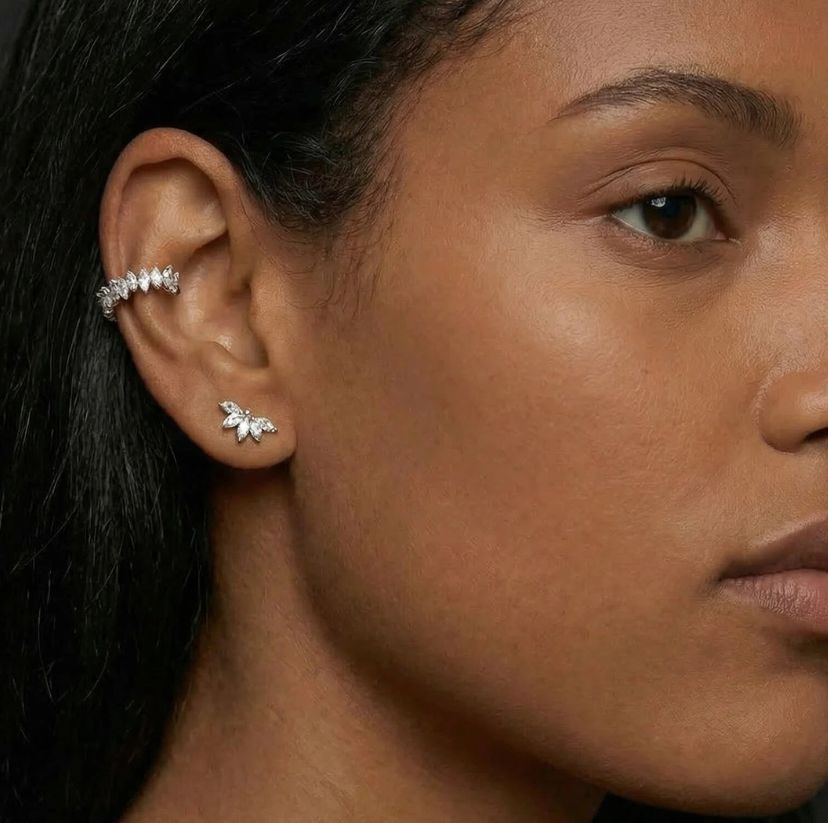
What is a rook piercing?
You are discovering the rook piercing as a piece of jewelry that passes through a specific part of your ear cartilage. This piercing stands out for its unique location and discreet appearance. You may notice that it is not just a hole in the lobe, but a perforation in a small tube of cartilage located near the temples and the outer ear. Its cartilaginous density makes the procedure more complex. You should know that this type of piercing requires an adequate anatomical condition to ensure it is performed safely.
Tip: Always consult a professional to check if your ear has the necessary shape and density to accommodate a rook piercing.
Where exactly is it located?
You will find the rook piercing in the center of the ear, right next to the antihelix. It passes through thick cartilage, which makes it different from other ear piercings. You may observe that this area is located between the outer ear and the upper part of the ear. This placement gives the rook piercing its distinctive style and often catches the eye with its originality.
The rook piercing is placed in thicker cartilage.
It is located next to the antihelix, in the center of the ear.
This positioning contributes to higher pain during the procedure.
Who is this piercing for?
You are considering a rook piercing if you are looking for an original and discreet piece of jewelry. This piercing is for those who want to express their personality without opting for a piercing that is too visible. You must have an ear with sufficiently thick and well-formed cartilage. Professionals always check the shape of your ear before performing this piercing. If you have a thin ear or underdeveloped cartilage, you may not be eligible.
You are comparing the rook piercing to other ear piercings to better understand its specific characteristics:
Helix piercing: You may feel moderate pain because the cartilage is thin, but healing remains difficult due to frequent snags.
Tragus piercing: You may feel more pain during the procedure due to the thickness of the cartilage, but healing is fast.
Daith piercing: You may feel intense pain at the time of piercing, but healing occurs without infection.
Conch piercing: You may feel intense pain and slow healing, with persistent pain even after several months.
You then understand that the rook piercing stands out for its location, the density of the cartilage, and the sensation during the procedure. This piece of jewelry is for those who want a unique style and have a suitable anatomy.
Origins and meaning
History of the rook piercing
You are discovering the rook piercing in the 1990s. An American piercer, Erik Dakota, created this style by drawing inspiration from the natural shapes of the ear. You may notice that this piercing does not have ancient roots like other types of piercings. It emerged in a modern context, where the search for originality is becoming increasingly important. You may observe that the popularity of the rook piercing is growing thanks to social media and fashion magazines. Many people choose this piercing for its unique appearance and discretion.
Cultural and personal meaning
You are giving your rook piercing a personal meaning. This piece of jewelry does not carry a strong religious or traditional meaning. You use this piercing to show your creativity or individuality. In today's society, you see that the rook piercing is becoming a symbol of freedom. You can also consider it a way to mark an important moment in your life. Some see it as a rite of passage or a way to stand out.
Self-assertion and symbolism
You use the rook piercing to express your personality. This piece of jewelry helps you express who you are. You may notice that this type of piercing carries several symbols in contemporary society:
It shows your individuality.
It highlights your personal creativity.
It can represent an act of rebellion against traditional beauty standards.
It sometimes serves as a rite of passage.
Note: You often choose this piercing to feel unique and to display your choices without following imposed trends.
You then understand that the rook piercing goes beyond aesthetics. It becomes a means of self-expression and self-empowerment.
Benefits of the rook piercing
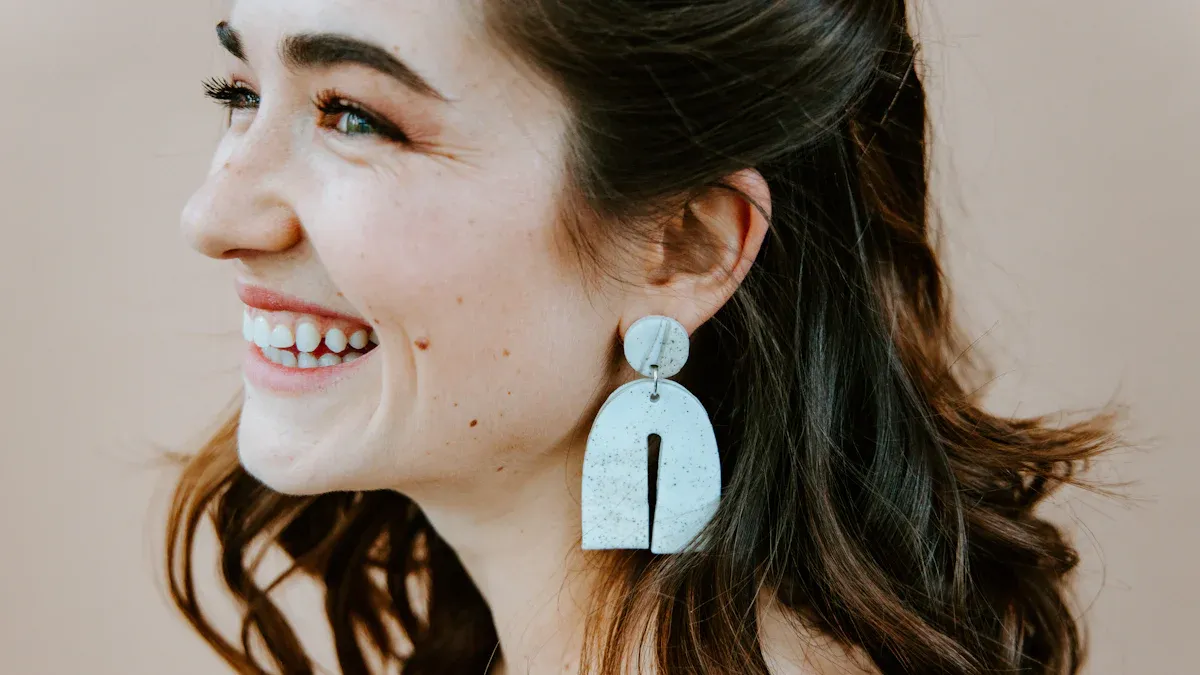
The benefits of the rook piercing often remain subjective. You find many testimonials and personal opinions on this subject. Beauty and fashion professionals mainly highlight the aesthetic aspect and the impact on well-being. You should know that everyone has a different experience.
Aesthetic advantages
You are choosing the rook piercing for its unique style. This piece of jewelry catches the eye with its originality. You are adding a personal touch to your look. Professionals in the fashion industry appreciate this piercing for several reasons:
It adds a touch of originality to your appearance.
It allows you to express your personality.
It adapts to different styles, from the most discreet to the most daring.
You may notice that this piercing highlights the shape of your ear. You can also combine it with other jewelry to create a harmonious ensemble. Many people like this piece of jewelry for its ability to transform a detail into a real style asset.
Emotional and spiritual well-being
You often feel a boost in self-confidence after getting a rook piercing. This piece of jewelry becomes a symbol of your identity. You use this gesture to assert your choices and independence. Some people find that this piercing helps them feel stronger or mark a new beginning in their life.
Note: You can see the rook piercing as a personal ritual. It helps you reconnect with yourself and enhance your image.
You also observe that this type of piercing promotes self-acceptance. You are learning to love every detail of your appearance. This positive feeling influences your daily mood.
Testimonials on migraines and stress
You sometimes hear that the rook piercing relieves migraines or stress. Several people share their experiences on social media. They explain that they feel less pain after the procedure. You should know that these effects are not scientifically proven. Health professionals remain cautious on this subject.
You can try this piercing if you are looking for an alternative solution. However, you should consult a specialist before committing. Every body reacts differently. What works for one person does not always work for another.
Tip: Take the time to talk with your piercer and read several reviews before deciding.
In summary, the rook piercing mainly offers aesthetic advantages and a positive impact on your emotional well-being. The other benefits remain personal and vary from one experience to another.
Choosing jewelry
Suitable jewelry types
You are discovering several types of jewelry for the rook piercing. Professionals often recommend rings or curved bars. These shapes adapt well to the curvature of the cartilage. You can choose a discreet or more visible piece of jewelry depending on your style. Rings offer a classic look. Curved bars remain comfortable and easy to wear. You also find models with stones or patterns to personalize your piercing.
Tip: Choose a simple piece of jewelry during healing. This helps you avoid irritation and makes cleaning easier.
Recommended materials
You should choose a safe material for your rook piercing. Piercers recommend hypoallergenic materials. This reduces the risk of skin reactions. Here is a table presenting the materials most commonly used and their characteristics:
Material |
Characteristics |
|---|---|
Titanium |
Hypoallergenic, lightweight, well accepted by the body |
Surgical steel |
Hypoallergenic, resistant, inexpensive |
14-karat gold |
Hypoallergenic, elegant, but more expensive |
Bioplastic |
Hypoallergenic, made from renewable materials |
Niobium |
Hypoallergenic, resistant |
You may notice that titanium remains the preferred choice. It almost never causes an allergy. Surgical steel is also suitable for its resistance. 14-karat gold adds a touch of elegance. Bioplastic appeals for its renewable origin. Niobium offers a safe alternative.
Tips for choosing well
You should take several criteria into account when choosing your jewelry. Professionals give you these tips:
Choose hypoallergenic materials such as titanium or surgical steel.
Check that the jewelry adapts to the thickness of your cartilage.
Think about your personal style and the aesthetic you want to display.
You should avoid jewelry that is too heavy or too bulky. This makes healing easier. You can ask your piercer for their opinion to find the ideal piece of jewelry. You ensure your comfort and the safety of your ear.
Note: A well-chosen piece of jewelry promotes fast healing and limits complications.
Care and healing
Healing stages
You should know that the healing of a rook piercing takes time and patience. Generally, this period lasts between 6 and 12 months. During this phase, you must follow a few simple rules to avoid complications. Here are the main steps to follow:
Always wash your hands before touching your piercing.
Never use jewelry that has been worn by someone else.
Handle your jewelry in a clean and sterile environment.
Avoid sleeping on the pierced ear to limit friction.
Tip: Be alert to the slightest pain or redness. Consult a professional if you notice an unusual change.
Maintenance tips
To keep your rook piercing healthy, you should adopt a daily care routine. Professionals recommend these simple steps:
Choose jewelry made from non-allergenic materials such as titanium or surgical steel.
Do not touch your piercing unnecessarily. Avoid playing with the jewelry.
Clean the pierced area twice a day with a saline solution or a suitable product.
You should remain consistent in your care to prevent infections. Rigorous maintenance promotes fast healing without problems.
Errors to avoid
Certain errors slow down healing and increase the risk of infection. You should know them to avoid them:
Do not use unsuitable products such as alcohol or hydrogen peroxide.
Never get pierced with a piercing gun.
Do not neglect the healing phase, even if the pain disappears.
Avoid poor-quality jewelry.
Monitor signs of poor healing such as swelling or pus.
Do not swim too soon after the piercing.
Do not underestimate the importance of follow-up with your piercer.
Tip: Take the time to be well-informed and follow every step. This ensures the health of your ear and the beauty of your rook piercing.
Risks and precautions
Possible complications
You should know the risks before getting a rook piercing. This piercing passes through thick cartilage. This can cause complications if you do not follow the care instructions. You should monitor certain signs after the procedure. Here are the signs of infection or rejection to watch for:
Jewelry migration toward the skin surface
Appearance of thin and translucent skin around the piercing
Persistent itching or sensation of discomfort
Excessive redness, swelling, pain that does not disappear
Pus discharge or fever
If you notice any of these signs, quickly consult a healthcare professional. Do not wait for the situation to worsen.
You may also encounter other problems such as the formation of keloids or thick scars. Sometimes, the cartilage can become infected more easily than the lobe. Stay alert to every change.
Contraindications
The rook piercing is not suitable for everyone. Certain health problems prevent you from getting pierced safely. Professionals advise against this piercing in the following cases:
Chronic diseases such as diabetes or cancer
Treatments with corticosteroids or anti-inflammatories
Pregnancy or breastfeeding
Skin problems such as eczema or dermatitis
Allergies to latex or metals
Recent or planned hospitalization
Minor without parental permission
You should always inform your piercer of your health status. This helps to avoid serious complications.
Importance of the professional
You should choose a qualified and experienced piercer. A professional uses sterile equipment and follows hygiene rules. They check the shape of your ear and advise you on the suitable jewelry. They also explain the care to follow. This reduces the risk of infection or rejection.
A good professional remains available to answer your questions after the procedure. Do not hesitate to contact them in case of doubt or problem.
You ensure the safety of your piercing and your health by trusting an expert.
You now know that the rook piercing stands out because of its placement, its meaning, and its benefits for self-esteem. You need to choose the right jewelry, follow a strict aftercare routine, and stay aware of the risks. To ensure your safety, professionals recommend:
Looking for a qualified and experienced piercer.
Using sterile needles and avoiding piercing guns.
Checking the studio's hygiene certificate.
Take the time to inform yourself and always prioritize your personal well-being.
FAQ
Does the rook piercing hurt a lot?
You will feel sharp pain at the time of piercing. The sensation is brief. The thick cartilage makes the procedure more intense than a lobe piercing. The pain subsides quickly after the session.
How long does a rook piercing take to heal?
Healing takes between 6 and 12 months. You must follow the aftercare routine every day. Proper care helps prevent infections and speeds up healing.
Can you wear headphones after a rook piercing?
You should avoid wearing headphones on the pierced ear during the first few weeks. Pressure can irritate the area and slow down healing. Use headphones on the other ear instead.
Does a rook piercing leave a scar if it is removed?
You may see a small mark after removing the jewelry. The scar remains discreet if you have properly followed the aftercare routine. The cartilage sometimes retains a slight trace.
Is the rook piercing suitable for everyone?
No, this piercing is not suitable for all ears. You must have fairly thick cartilage. A professional always checks your anatomy before piercing.


