
You can keep your belly button piercing during pregnancy by paying close attention to your body. Belly button piercings and pregnancy can sometimes involve risks such as jewelry rejection, rare infections, or irritation caused by the skin stretching and becoming more sensitive. To minimize these problems, professionals recommend:
-
Replace the jewelry with a flexible bar made of PTFE
-
Clean it daily with a saline solution
-
Choose hypoallergenic materials
-
Monitor for signs of irritation
-
Adjust the jewelry as your belly changes
Key Points
-
Choose hypoallergenic jewelry such as titanium or bioplast to avoid irritation.
-
Clean the area around the piercing daily with a mild saline solution to prevent infections.
-
Monitor the condition of your skin and adjust your jewelry if you experience discomfort or irritation.
-
Wear loose clothing to reduce friction and protect your piercing.
-
Consult a professional if you notice signs of infection or jewelry rejection.
Belly Button Piercing and Pregnancy: Body Changes
Hormonal and Skin Changes
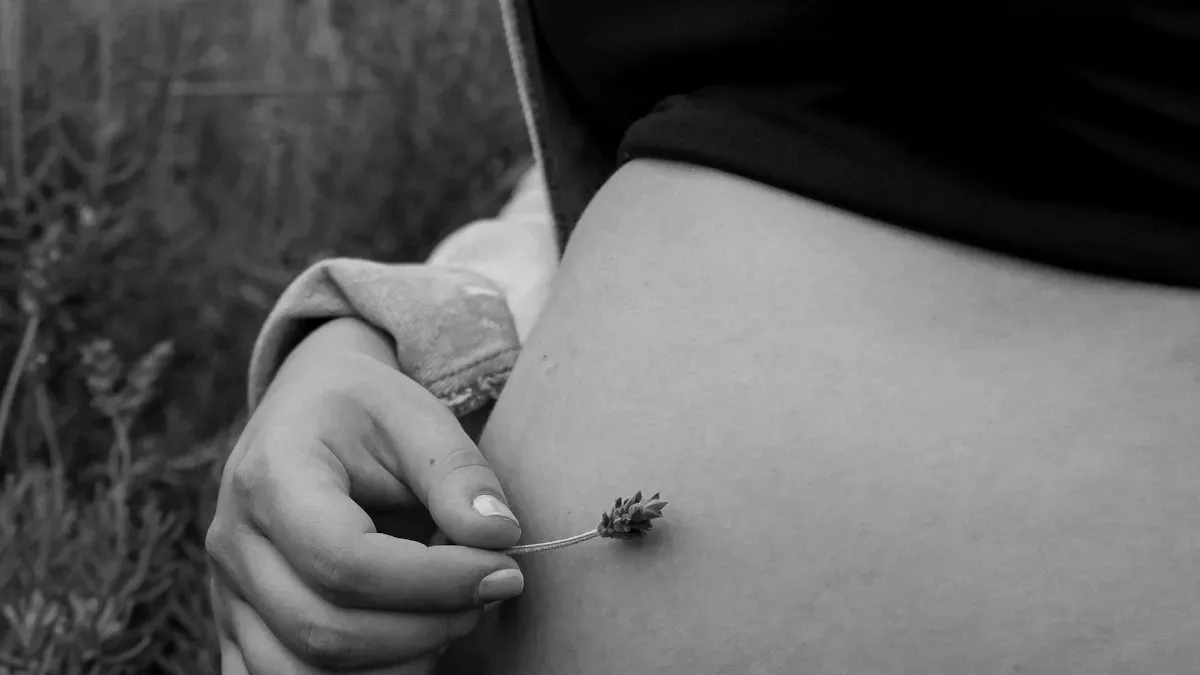
During pregnancy, your body undergoes many changes. You may often notice that your skin becomes more sensitive or changes in appearance. Here is what is happening:
-
Your body produces more estrogen, progesterone, and melanocyte-stimulating hormone.
-
These hormones change your skin's pigmentation. You may see a dark line called the linea nigra appearing between your belly button and pubic area. This line affects about 75% of pregnant women.
-
You may sometimes notice rashes or darker patches around your belly button.
-
The skin stretches quickly, especially on the belly, making it more fragile.
Tip: Moisturize your skin daily to reduce tightness and monitor for changes in color or texture.
Impact on the Piercing
Belly button piercings and pregnancy require careful attention. When your skin stretches, the piercing is subjected to tension. This can cause irritation, micro-tears, or even tears around the jewelry. The immune system also becomes weaker to protect the baby, increasing the risk of infection.
Here are the main effects to monitor:
-
The area around the piercing may become red, hot, or painful.
-
You may notice discharge or experience discomfort when touched.
-
Healing slows down if you often sleep on your piercing or do not maintain good hygiene.
-
A balanced diet and quality sleep help your skin heal better.
|
Factor |
Impact on Healing |
Practical Tips |
|---|---|---|
|
Balanced Diet |
Promotes Repair and Strengthens Immunity |
Eat Fruits, Vegetables, Protein, Zinc, Vitamin C |
|
Quality Sleep |
Reduces Irritation, Facilitates Healing |
Sleep on the Opposite Side, Change Your Pillowcase |
|
Hygienic Environment |
Reduces Infection Risks |
Wash Clothes, Sheets, Avoid Contact with Dirty Animals |
Belly button piercings and pregnancy therefore require increased vigilance. Monitor your skin carefully and adjust your care to avoid complications.
Condition of the Piercing Before Pregnancy
Healed or Recent Piercing
Before becoming pregnant, you need to know whether your belly button piercing is fully healed or still recent. This information makes a big difference for the rest of your pregnancy.
-
A recent piercing requires more attention. It remains fragile and sensitive. You are more likely to experience an infection or complication because the area has not yet had time to strengthen. You must therefore be extra vigilant to avoid any problems.
-
A piercing that has been healed for a long time behaves differently. It handles your body's changes better. However, it may be subjected to mechanical pressure due to the changes in your belly. Sometimes, the jewelry can become embedded in the skin or cause discomfort, especially if you wear tight clothing.
Tip: If you are considering pregnancy, wait until your piercing is fully healed before conceiving. This reduces the risk of infection and makes managing the jewelry during pregnancy easier.
Professional Follow-Up
You should always consult a professional before getting pierced, especially if you are considering pregnancy. Experts advise against getting a piercing during pregnancy or while breastfeeding. Your immune system becomes weaker, which increases the risk of infection. There is also a risk of transmitting viruses to your baby.
To properly prepare your piercing before pregnancy, follow these steps:
-
Choose a competent and reputable professional.
-
Follow all aftercare instructions after getting pierced.
-
Choose jewelry made of gold or titanium to minimize allergic reactions.
-
Wear loose clothing to avoid pressure on the area.
-
Monitor daily for redness, pain, or discharge.
-
Never remove your jewelry without a valid reason, unless you want to close the piercing.
Belly button piercings and pregnancy therefore require serious preparation. This ensures the safety of your skin and your baby.
Risks of Belly Button Piercing and Pregnancy
Jewelry Rejection
Jewelry rejection remains a common risk during pregnancy. Your body may consider the jewelry a foreign object. It then tries to expel it. This phenomenon occurs especially when the skin on the belly stretches quickly. You may sometimes notice that the jewelry seems to move toward the surface of the skin. The area around the piercing becomes red or thin. Sometimes, you may notice a small scab or an opening wider than usual.
To minimize this risk, you must monitor every change around the piercing. You can also choose flexible and lightweight jewelry. This type of jewelry adapts better to the changing shape of your belly. If you see that the skin is becoming very thin or that the jewelry is moving a lot, consult a professional. They can help you avoid scarring or infection.
Tip: Never force a piece of jewelry back in if the skin appears fragile or irritated.
Infection and Irritation
Belly button piercings and pregnancy require special attention to hygiene. During pregnancy, your immune system becomes less effective. This makes the piercing area more vulnerable to infections and irritation. Several factors increase this risk:
-
Weakened immune defenses during pregnancy
-
Rapid stretching of the abdominal skin
-
Insufficient hygiene during piercing or daily care
You must clean the area daily with a mild saline solution. Avoid touching the piercing with dirty hands. Wear loose clothing to reduce friction. If you notice persistent redness, unusual discharge, or pain, consult a healthcare professional promptly.
Note: An untreated infection can lead to complications for your health and your baby's.
Practical Daily Tips
Hygiene and Care
You must pay close attention to the hygiene of your belly button piercing during pregnancy. A simple and regular routine helps minimize the risk of irritation or infection. Always start by washing your hands thoroughly before touching the pierced area. Use a mild, fragrance-free soap so as not to irritate your already sensitive skin.
Clean the area around the piercing twice a day with sterile saline or a mild, alcohol-free antiseptic product. This prevents the proliferation of bacteria and keeps the skin clean. Avoid harsh or heavily scented products that may cause reactions. If you notice redness, unusual heat, or discharge, stay vigilant and do not hesitate to consult a healthcare professional.
Tip: Gentleness is your best ally. Never rub the area and dry it gently with a clean towel.
Suitable Clothing
Your choice of clothing directly affects the comfort of your piercing. Choose loose and comfortable clothes that do not rub against your belly. Soft fabrics reduce the risk of irritation and allow the skin to breathe. You can also protect the pierced area with a non-adhesive bandage if you wear high-waisted pants or a belt.
-
Wear comfortable clothing that does not rub against your belly.
-
Choose natural and breathable materials.
-
Protect the pierced area if necessary, especially during physical activities.
Tip: Clothing that is too tight can irritate the skin and promote jewelry rejection. Always opt for comfort.
Regular Maintenance
Regular maintenance of your piercing allows you to prevent most complications. Clean the area daily with sterile saline. Always use clean hands when handling the jewelry or the skin around it. Choose a mild, fragrance-free soap so as not to dry out the skin. Avoid harsh products that could irritate the area.
Monitor your skin carefully. If you notice persistent redness, pain, or discharge, consult a professional promptly. Also, remember to adjust your jewelry as your pregnancy progresses. A longer or flexible piece of jewelry, made of titanium or bioplastic, adapts better to the changes in your belly and reduces the risk of allergies.
-
Clean the area with sterile saline to avoid irritating the skin.
-
Use clean hands before any handling.
-
Avoid harsh products and choose a mild, fragrance-free soap.
-
Wear loose clothing to reduce irritation.
-
Switch to a longer or flexible piece of jewelry if necessary.
-
Choose hypoallergenic materials such as titanium or bioplastic.
Remember: Prevention involves simple and regular actions. Take the time to observe your skin every day and act gently to keep your piercing healthy throughout pregnancy.
Adjusting or Removing the Jewelry
When to Adjust the Jewelry
During pregnancy, your belly changes in shape and size. You may sometimes need to adjust your jewelry to avoid discomfort or complications. If you feel that your jewelry is becoming too tight or is pulling on your skin, it is time to replace it. Choose a longer or flexible piece of jewelry, such as a PTFE or bioplast bar. These materials adapt better to the changes in your belly and reduce the risk of irritation.
Monitor the area around the piercing carefully. If you notice that the skin is becoming thin, red, or sensitive, change your jewelry promptly. Suitable jewelry protects your skin and reduces the risk of rejection. You can ask a piercing professional for advice on choosing the right size or material.
Tip: Do not wait until the discomfort becomes painful. Act at the first signs of discomfort to preserve the health of your skin.
Temporary Removal
In certain situations, you should consider temporarily removing your belly button jewelry. This protects your skin and prevents complications. Here are the cases where removal is necessary:
-
You experience persistent pain around the piercing.
-
You notice significant irritation around the jewelry.
-
You notice an infection, even a mild one.
-
You are breastfeeding your baby and want to avoid any risk of choking.
Temporary removal allows your skin to rest and heal. If you remove your jewelry, clean the area thoroughly and monitor its condition. You can use a medical-grade plastic retainer bar to keep the channel open. Consult a professional if you are unsure or have doubts about the proper procedure.
Note: Never force a piece of jewelry back in if the area remains painful or irritated. Take the time to properly care for your skin before any handling.
Jewelry Suitable for Pregnancy
Bioplast, PTFE, and Retainer Bars
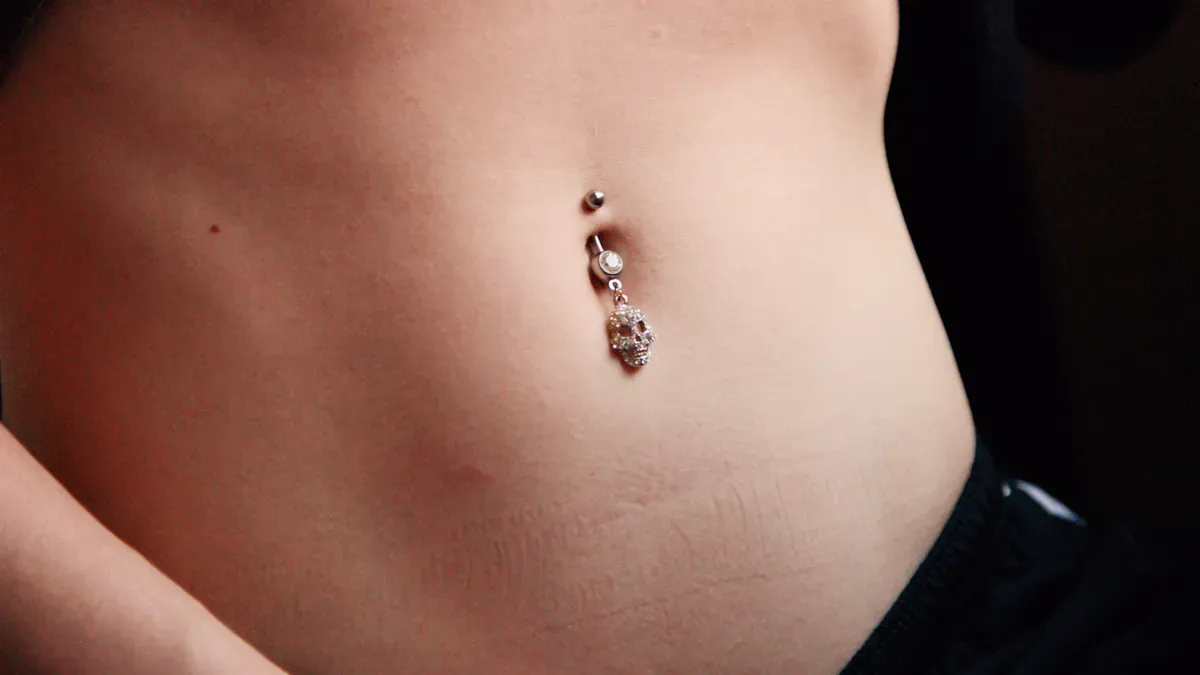
During pregnancy, you should choose soft and flexible jewelry for your belly button piercing. Bioplast or PTFE (polytetrafluoroethylene) bars adapt well to the changes in your belly. These materials remain lightweight and reduce pressure on the stretching skin. You can also use a medical-grade plastic retainer bar if you need to temporarily remove your jewelry.
However, it is important to know that nearly 40% of pregnant women who keep their belly button piercing experience signs of skin irritation in the third trimester. Although bioplast and PTFE reduce discomfort, they do not completely eliminate inflammation or infection. You must therefore continue to clean the area thoroughly every day.
Tip: Always choose a flexible piece of jewelry and regularly check the condition of your skin so you can act quickly if a problem arises.
Choosing the Right Jewelry
To ensure your piercing remains safe during pregnancy, you need to consider several important criteria. Dermatologists recommend certain materials to reduce the risk of allergies or irritation:
-
Titanium (medical grade): very well tolerated, with a low risk of allergies.
-
Surgical steel (316L): a good option, unless you have previously had a nickel allergy.
-
14–18-karat gold: possible if the quality is guaranteed and free from questionable alloys.
You should also consider the length and flexibility of the jewelry. Choose a bar long enough to prevent tension on the skin. Opt for designs with screw-on balls, as they stay in place better and reduce the risk of loss.
|
Criterion |
Why it is important |
Recommended example |
|---|---|---|
|
Hypoallergenic material |
Reduces reactions and irritation |
Titanium, surgical steel |
|
Flexible or long bar |
Adapts to the changing belly |
PTFE, bioplast |
|
Screw-on ball |
Prevents accidental detachment |
Screw-on jewelry |
Don't forget to choose jewelry you like. You can combine comfort and style without compromising safety. Good jewelry protects your skin and supports you throughout pregnancy.
Preventive Measures and Warning Signs
Preventive Steps
You can take simple steps to reduce complications related to your belly button piercing during pregnancy. Professionals recommend a specific routine to keep the area healthy and prevent infections.
-
Wash your hands thoroughly before touching the piercing.
-
Gently clean around the jewelry with sterile saline solution.
-
Avoid creams, oils, or lotions that are not recommended by your piercer.
-
Dry the area by gently patting it, never rubbing.
-
Choose loose-fitting clothes that do not press on the piercing.
Tip: Take time to observe your skin every day. Regular care protects your health and that of your baby.
You can also check the condition of the piercing by ensuring there is no pain, redness, or discharge. A healthy area remains clean and comfortable.
|
Steps to take |
Why it is important |
|---|---|
|
Clean hands |
Limits bacteria |
|
Saline solution |
Cleans without irritating the skin |
|
Loose-fitting clothes |
Reduces friction |
|
Gentle drying |
Preserves healing |
When to See a Professional
You should stay alert to signs of a problem. Certain symptoms indicate that you should see a healthcare professional quickly.
-
Swelling
-
Pain when touched
-
Pus discharge
-
Unpleasant odor
If you notice any of these signs, remove the jewelry, clean the area, and make an appointment with your doctor, gynecologist, or midwife. If the situation does not improve within 48 hours, there is a risk of infection.
You can act quickly to prevent complications. Vigilance remains essential throughout pregnancy.
To keep your belly button piercing safe during pregnancy, remember these essential points:
-
Choose hypoallergenic jewelry such as titanium, surgical steel, or bioflex.
-
Opt for a long, flexible bar to accommodate your changing belly.
-
Clean the area every day with a mild saline solution.
-
Monitor the condition of your skin and change the jewelry if necessary.
Stay alert to any changes. See a professional or your doctor as soon as you have any doubts or discomfort. This will ensure your comfort and your baby's safety.
FAQ
Can I keep my belly button piercing throughout pregnancy?
Yes, you can keep your piercing if you monitor your skin carefully. Change the jewelry for a flexible design. See a professional if you notice any discomfort or irritation.
What should I do if my piercing becomes painful or red?
You should clean the area with a saline solution. Wear loose-fitting clothes. If the pain or redness persists for more than 48 hours, see a healthcare professional.
Is it risky to get a belly button piercing during pregnancy?
Getting a belly button piercing during pregnancy is still not recommended. Your immune system is weaker. You are at a higher risk of infections and complications. Wait until the end of pregnancy before considering a piercing.
How can I prevent jewelry rejection?
-
Choose flexible, hypoallergenic jewelry.
-
Monitor the skin every day.
-
Avoid tight clothing.
-
See a professional at the first signs of rejection.


