


Minor piercing often raises legal and health questions for parents. You may be wondering whether French law allows this for your teenager. Statistics show that one-third of young people aged 11 to 15 are considering a piercing, and 100,000 people in France get one every year. You are probably concerned about their social image, the risk of complications, or the need for an open dialogue. You play an essential role in supporting your child through this decision.
-
Common parental concerns:
Social image
Medical risks
The importance of open dialogue
Key Points
Parental consent is mandatory for any minor to get a piercing. Prepare written authorization to reassure the professional.
Choose a certified piercing studio. Check the staff's qualifications and the cleanliness of the premises to ensure your child's safety.
Have an open dialogue with your teenager. Understand their motivations and discuss the risks associated with piercing to make a thoughtful decision.
Be present during the piercing, especially if your child is under 16. This shows your support and ensures that the rules are followed.
Follow the aftercare instructions. Clean the area regularly and monitor for signs of infection to ensure proper healing.
Minor Piercing: What the Law Says
Minimum Age and Parental Authorization
You may want to know whether your child can legally get a piercing. French law strictly regulates minor piercing. You must provide written authorization if your child is a minor. This authorization must come from a parent or legal guardian. A simple message or verbal agreement is not sufficient. Professionals often require a parent to be present, especially for younger children.
Here is what you need to remember:
Before age 16, your child needs written consent and your presence during the piercing.
Between 16 and 18, written parental authorization is still mandatory.
From age 18, your child can make the decision on their own, without parental authorization.
💡 Tip: Always prepare and sign written authorization. This reassures the professional and protects your teenager.
Penalties and Responsibilities
You assume responsibility when you authorize a minor piercing. The law protects minors and penalizes professionals who do not follow these rules. A professional who pierces a minor without parental authorization may face penalties. You should therefore choose a reputable studio that complies with the law.
By accompanying your child, you set a good example and help ensure their safety. You should also explain to your teenager that failing to follow the law can have consequences for both them and the professional.
Minor piercing remains a regulated procedure. You should inform yourself and support your child at every step.
Role and Obligations of the Professional
Training and ARS Declaration
You should always choose a qualified professional for a minor piercing. In France, every piercer must complete specific technical training. This training includes hygiene and sanitation certification. Without this, they cannot legally practice. There is no state diploma for piercing, but hygiene training remains mandatory to ensure your teenager's safety.
Before opening a studio, the professional must declare their activity to the Regional Health Agency (ARS). This declaration includes:
A certificate of hygiene and sanitation training.
The professional's first and last name.
The studio's address.
The types of techniques used.
The ARS may conduct health inspections to ensure compliance with standards. You can ask to see these documents during your visit. This allows you to make sure the studio complies with the law and protects your child's health.
📝 Tip: Always choose a studio that clearly displays its certifications and ARS declaration.
Right of Refusal for Minor Piercing
The professional has important responsibilities. Before performing a minor piercing, they must obtain written consent from each parent who holds parental authority. This document must be kept for three years. A parent must be present during the procedure. The professional must also inform you and your teenager about the risks associated with piercing.
A piercer may refuse to pierce a minor if they believe the request is unsuitable or if safety conditions are not met. They also adapt the information forms so that your child fully understands each step.
The document must be kept for three years.
Clear information about the risks.
You should make sure the professional follows these rules. This ensures a safe experience that complies with the law for your teenager.
Preparing Your Teenager

Dialogue and Motivations
You should start by having a real conversation with your teenager. Take the time to understand their motivations. Sometimes, they want to express their personality or follow a trend. Do not shut down the conversation, even if you have doubts. Try to find out why they want a minor piercing. Talk to them about the risks and the importance of hygiene. Explain that this decision should be carefully considered and not taken lightly.
"My body belongs to me, so I can decorate it however I want!"
This phrase is often repeated by young people. You can use it to start the conversation and gauge their motivation.
Here are some tips for approaching this topic:
Approach the subject with openness and understanding.
Ask questions about their motivations.
Talk about the risks of prolonged healing or complications.
Set clear rules and leave room for negotiation.
Encourage your teenager to ask questions of the piercer.
Before the appointment, prepare your child's skin:
Moisturize the area to be pierced with an unscented cream.
Clean the skin to remove bacteria.
Avoid exposing the area to the sun and using cosmetic products on it.
Choosing a Piercing Studio
Choosing the studio is essential for your teenager's safety. Choose a certified establishment that has declared its activity to the Regional Health Agency. Check that the premises are clean and that there is a room dedicated to the procedures. The equipment must be sterilized and single-use. The staff must have hygiene and sanitation certification, which is renewed every five years.
Here are the criteria to check:
Staff qualifications.
An adult must be present during the piercing.
Hypoallergenic jewelry.
Aftercare and care instructions.
📝 Tip: Visit the studio with your teenager before the appointment. Ask questions about the procedures and observe the environment.
By following these tips, you are supporting your child in a responsible and safe approach to their minor piercing.
Health Risks and Precautions
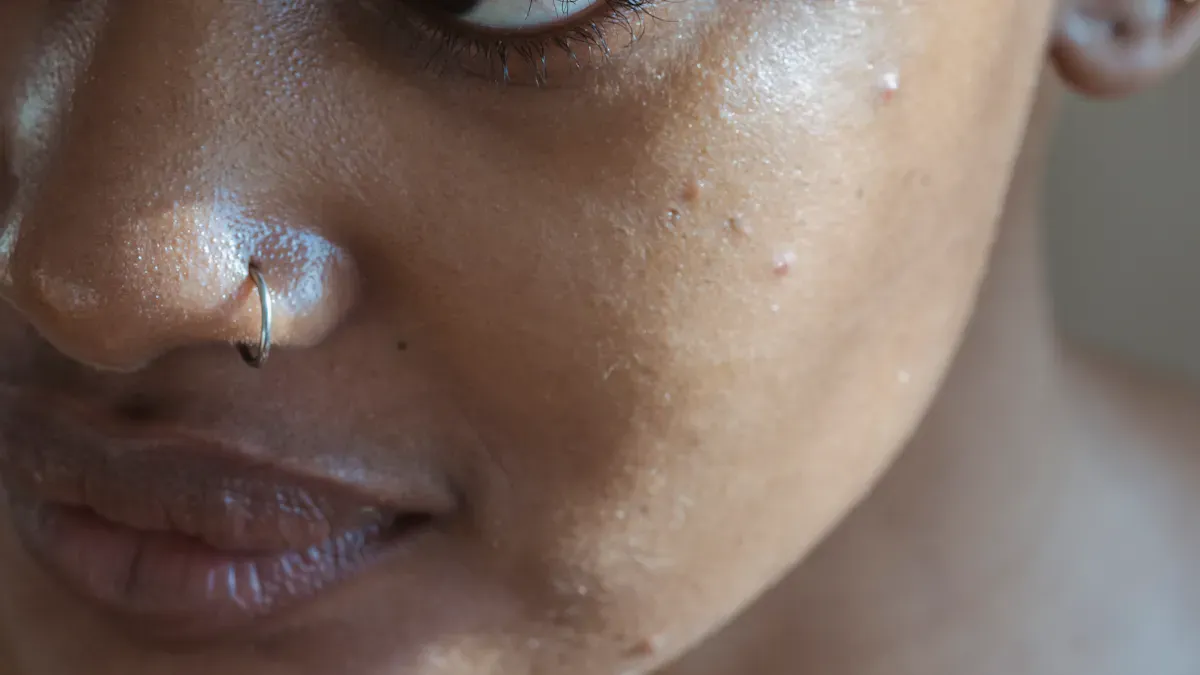
Medical Risks of Minor Piercing
You should know the main medical risks associated with piercing in minors. A piercing creates an open wound that requires rigorous care. Several complications can occur:
Infections caused by bacteria such as streptococci or staphylococci.
Possible transmission of hepatitis B and C viruses.
Allergic reactions to metals or disinfectants used during the procedure.
Healing problems, sometimes an inflammatory reaction or prolonged healing (three to six months).
Complications in children with weakened immunity or a chronic illness.
Contraindications for children with irritated skin, such as eczema or psoriasis.
🛑 Tip: Always check that the jewelry is made in the European Union to avoid nickel. Choose surgical steel if your child has allergies.
You should also ask the piercer what materials they use. This reduces the risk of allergies and protects your teenager's health.
Care and Prevention of Complications
You should follow precautions to avoid complications after a piercing. Here are the essential steps:
Choose a certified and trained piercer.
Assess your child's overall health before the piercing.
Clean the area every day with a suitable product.
Avoid water for at least three weeks after the piercing.
Avoid swimming pools, spas, the sea, lakes, and rivers due to bacteria and chlorine.
Inform the piercer if your child plays sports, as this may require additional precautions.
If you notice redness, swelling, or discharge, contact a healthcare professional promptly. An infection can progress quickly. You must act without delay to protect your teenager.
💡 Tip: Keep the jewelry in place during healing. Do not touch the piercing with dirty hands. Follow the piercer's recommendations at every step.
By following these tips, you minimize the risks and ensure proper healing for your child after a minor piercing.
You must always follow the law and health standards to protect your teenager.
Here are the essential points to remember:
Parental consent remains mandatory for any minor to get a piercing.
A parent must be present for children under 16.
You must choose a qualified and trained professional.
An open dialogue with your child helps them make a thoughtful decision. Adopt a responsible and informed approach to ensure your teenager's safety and well-being.
FAQ
At what age can you get your ears pierced in France?
You can get your ears pierced from a very young age, but the professional will always require written authorization from a parent if you are a minor. An adult must still be present for children.
What documents do you need to bring for a minor piercing?
You must bring written parental authorization and a form of identification. The parent who is present must also present their ID card. These documents ensure the procedure is safe and legal.
Is piercing painful for a teenager?
The pain varies depending on the area being pierced. You will often feel discomfort or a quick pinch. The professional uses sterile equipment to minimize discomfort. You can ask for advice on how to better manage the pain.
What should you do if your piercing becomes infected?
🚨 See a healthcare professional promptly if you notice redness, swelling, or discharge.
Clean the area with a suitable product. Do not remove the jewelry without medical advice. Follow the piercer's advice to avoid complications.


