


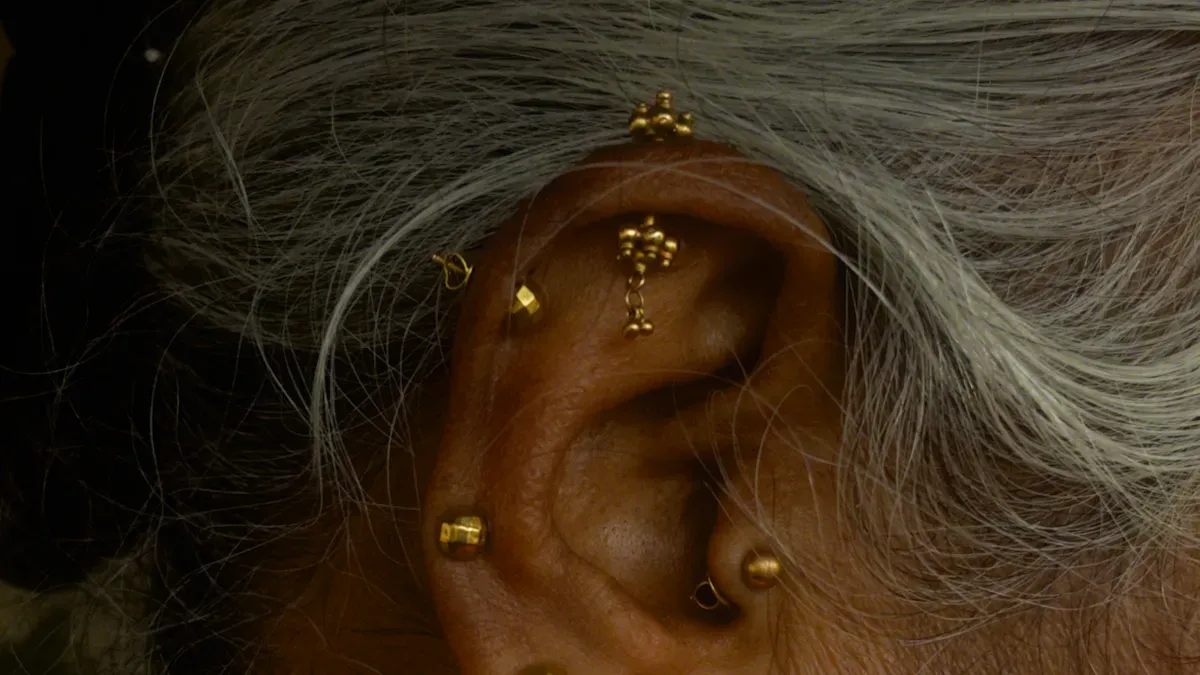
Are you wondering how to prevent your piercing channel from closing during a medical exam? Protocols often recommend removing all jewelry before an MRI or CT scan. Here is what you need to know:
Imaging centers require piercings to be removed, even titanium ones.
If you cannot remove it, notify the relevant department.
With the right MRI Piercing solutions, you can protect your channel and stay calm.
Key Points
Remove all jewelry before an MRI for your safety. Metals can be attracted by the magnetic field and cause accidents.
Use Bioflex or PTFE retainers to keep your channel open. These materials do not react with the MRI and are discreet.
Monitor your piercing after the exam. Clean the area thoroughly and reinsert your jewelry quickly to prevent it from closing.
Why remove your piercing for an MRI?

Safety and medical protocol
You must remove your piercing before an MRI to ensure your safety. The MRI machine uses a very powerful magnetic field. This field attracts certain metals and can cause incidents. Here is why healthcare professionals ask for all metal objects to be removed:
Watches
Hairpins
Removable dental prostheses
Hearing aids
Glasses
The main risks are:
Powerful magnetic attraction: some metals can be attracted and become dangerous.
Localized heating: metal can heat up and cause burns.
Some unsuitable jewelry or piercings can pose a danger.
Tip: Before your appointment, contact the imaging center to find out their protocol. Each center may have its own rules regarding MRI Piercing.
Image quality
The presence of a piercing can also interfere with the quality of the images obtained. Metal objects create interference and artifacts on the images. This makes the diagnosis more difficult for the doctor. You must therefore remove all your jewelry, even if you wear titanium or gold.
All metal elements must be removed before the exam.
Metal pieces can cause interference.
The removal of jewelry and piercings is mandatory.
By following these recommendations, you protect your health and make the professionals' work easier.
Risks of channel closure
When you remove your jewelry for an exam like an MRI, you are probably worried about your channel closing. This risk exists, especially if your piercing is recent or if the area is sensitive.
Closing speed
The speed at which a piercing channel closes depends on several factors. A recent piercing often closes very quickly, sometimes in just a few hours. The skin has not yet had time to heal completely. You must therefore stay vigilant, especially in the first few months.
Some types of piercings close faster than others. For example:
Navel piercings have a high risk of closing quickly.
It is best not to remove the jewelry during the first two months.
For piercings that require a long healing time, keep the jewelry in place as long as possible.
An old piercing, which has already healed well, closes more slowly. The skin forms a barrier inside the channel, which slows down the closure.
Aggravating factors
Several factors can speed up the closure of the channel. You need to know them to better protect your MRI Piercing:
Repeated trauma, such as friction or snagging, weakens the area.
Frequently handling the jewelry or playing with it irritates the skin and promotes closure.
Lack of hygiene or an infection can also complicate healing.
Tip: To limit risks, avoid touching your piercing without reason and protect it from impacts.
MRI Piercing solutions to keep the channel open
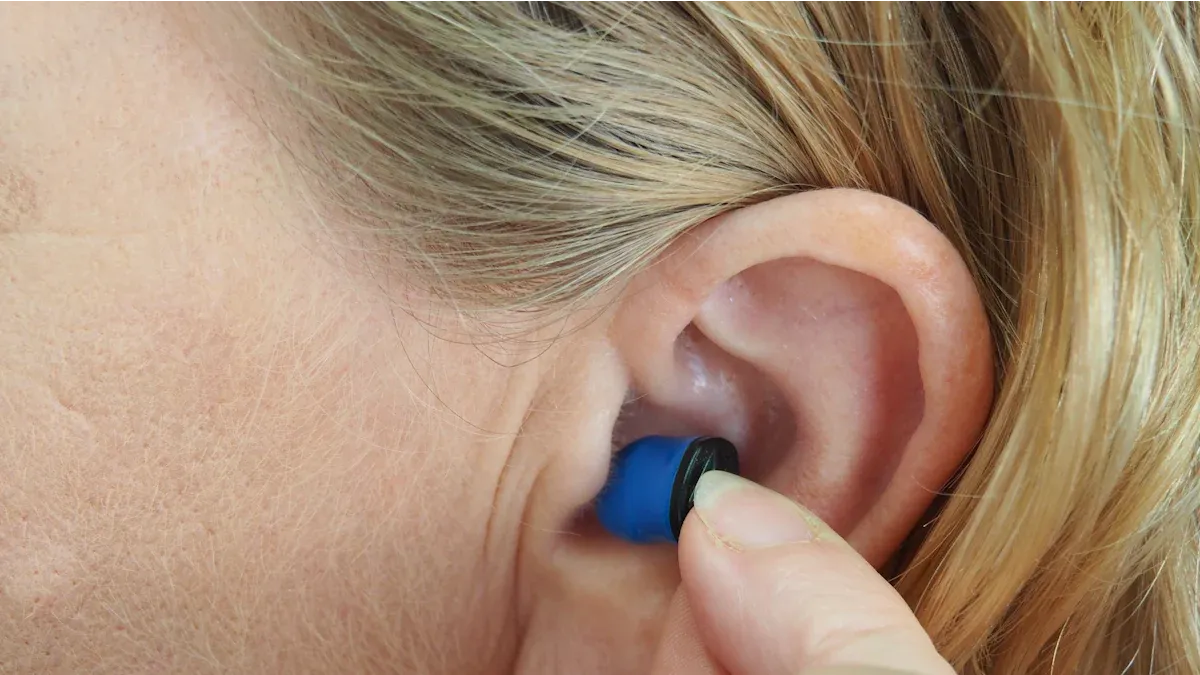
When you have to remove your jewelry for an exam, you want to prevent your piercing channel from closing. Several solutions exist to keep the channel open during an MRI or CT scan. You can choose the one that best suits your situation and your type of MRI Piercing.
Bioflex or PTFE retainers
Retainers are flexible and discreet rods. You can use them to temporarily replace your jewelry. Professionals often recommend Bioflex, PTFE, or acrylic. These materials do not contain metal. They do not react with the magnetic field of the MRI. You can insert a retainer just before your appointment. It keeps the channel open without interfering with the exam.
Tip: Ask your piercer for advice on choosing the right size and the right material. A well-fitted retainer protects your MRI Piercing and makes reinserting the jewelry easier after the exam.
Here is a table to help you compare retainer materials:
Material |
Advantages |
MRI use |
|---|---|---|
Bioflex |
Flexible, hypoallergenic |
Yes |
PTFE |
Flexible, easy to cut |
Yes |
Acrylic |
Lightweight, discreet |
Yes |
MRI-compatible jewelry (titanium, gold, plastic)
Some jewelry is MRI-compatible. You can wear titanium, gold, or medical plastic in some cases. However, most centers require all jewelry to be removed, even those made of titanium or gold. If you want to keep a piece of jewelry, always check the imaging center's protocol. Medical plastic remains a good option for an MRI Piercing, as it does not cause interference.
Note: Even if your jewelry is made of titanium or gold, it is best to have a plastic retainer ready to avoid any problems on the day of the exam.
Home emergency solutions
If you do not have a retainer on hand, you can use emergency solutions to keep your channel open. These tips will help you until you can put your MRI Piercing jewelry back in:
Use a sterile replacement ball that you have kept in an emergency kit.
Take the ball from another piercing (such as an earlobe), after thoroughly cleaning and disinfecting it with saline solution.
Cut a small piece of Bioplast or PTFE retainer and insert it in place of the ball to block the bar.
Temporarily put in a clean medical earring to keep the channel open.
Use a small piece of new (never used) pencil eraser for just a few hours.
Warning: These solutions remain temporary. Put your MRI Piercing jewelry back as soon as possible after the exam to prevent the channel from closing.
By choosing the right solution, you protect your piercing and avoid the stress of a closed channel. Always prepare your equipment in advance to go through your exam with peace of mind.
Practical tips before and after the exam
Preparing for your appointment
You must prepare well for your appointment to avoid any stress on the day of the exam. Here are some simple tips to follow:
Remove all your jewelry, including piercings.
Avoid metal hairpins or hair ties in your hair.
Do not wear clothes with snap buttons or zippers.
Choose comfortable clothes that are easy to remove.
Do not put creams or makeup on the area concerned.
Opt for light-colored clothes, as black can sometimes interfere with certain exams.
Tip: Prepare your equipment in advance. Store your jewelry in a small clean box so you can easily find it after the MRI.
Reinserting the jewelry
After the exam, you must put your jewelry back quickly to prevent the channel from closing. Wash your hands thoroughly before touching your piercing. If you are using a retainer, remove it gently then insert your original jewelry. If you encounter resistance, do not force it. You can ask for the help of your professional piercer.
Disinfect the jewelry before reinsertion.
Insert it gently into the channel.
Check that the jewelry is properly secured.
Hygiene and follow-up
Hygiene remains essential after reinsertion. Clean the area with saline solution or a suitable product. Monitor for redness, pain, or swelling. If you notice an unusual sign, consult a professional quickly. This will ensure the proper healing of your piercing and help you avoid complications.
Don't forget: Good follow-up protects your piercing in the long term. Take care of your skin and stay attentive at every step.
Errors to avoid
When managing your piercing before or after an MRI, you must avoid certain common errors. These errors can endanger the health of your channel or complicate healing.
Forcing reinsertion
Never force the reinsertion of your jewelry if you encounter resistance. You risk damaging the skin or worsening irritation. Many people try to put their piercing back in too quickly or without precaution. Here is what you need to remember:
Forcing the jewelry can cause internal injuries.
You can cause inflammation or swelling.
If the channel seems closed, consult a professional piercer.
Even if you use a titanium or gold jewelry, you must always remove all metal objects before an MRI. Some materials, even non-ferromagnetic ones, can interfere with the exam or create artifacts on the images.
Neglecting hygiene
Hygiene remains essential after every handling of your piercing. You must always wash your hands before touching the area. Neglecting this step promotes bacterial proliferation and increases the risk of infection. Pay attention to these points:
Never touch your piercing with dirty hands.
Do not remove scabs, as this can cause bleeding.
Touching or playing with the jewelry can also irritate the skin and delay healing.
Ignoring signs of infection
After reinsertion, you must monitor for the appearance of unusual symptoms. Some signs indicate an infection and require quick attention. Here is a table to help you differentiate normal inflammation from an infection:
Symptom |
Normal Inflammation |
Confirmed Infection |
|---|---|---|
Discharge |
Clear or whitish lymph |
Thick, yellow or green pus with a bad odor |
Pain |
Slight sensitivity to touch |
Throbbing, sharp pain even without touching |
Visual appearance |
Slight localized redness |
Major swelling, very hot area, red streaks |
If you notice redness, pain, irritation, or abnormal discharge, consult a professional quickly. This will help you avoid more serious complications.
To prevent your channel from closing, choose the solution suited to your piercing and the center's protocol. You can use:
medical PTFE or bioplast retainers,
compression discs for certain areas,
transparent retainers for more discretion.
If in doubt, ask a professional for advice. 😊
FAQ
Can I keep my titanium piercing during an MRI?
No, you must remove all jewelry, even titanium ones. Imaging centers require the complete absence of metal to ensure your safety.
How long does a piercing channel stay open without jewelry?
The duration varies. A recent piercing can close in a few hours. An older piercing stays open longer, sometimes for several days.
What should I do if I can't put my jewelry back in after the exam?
Do not force it back in.
Contact your professional piercer right away.
Use a temporary retainer if possible.


