


Discover the mid helix piercing, located in the center of the upper cartilage of your ear. This type of piercing adds an elegant and discreet touch to your look. You can choose from many pieces of jewelry to express your style. Many people wonder where to place the jewelry, if the pain is severe, or how to properly care for their ear. Always seek a professional's advice before taking the plunge.
Key Points
The mid helix piercing is placed in the center of the ear cartilage, offering an elegant and discreet option.
Always choose ASTM-F136 titanium jewelry to avoid allergies and promote proper healing.
Follow a daily care routine with a saline solution to maintain cleanliness and prevent infections.
Avoid sleeping on the side with the piercing and use a suitable pillow to protect your piercing during the night.
Be patient and respect the three to six-month healing time before changing your jewelry.
Mid helix piercing: placement and differences
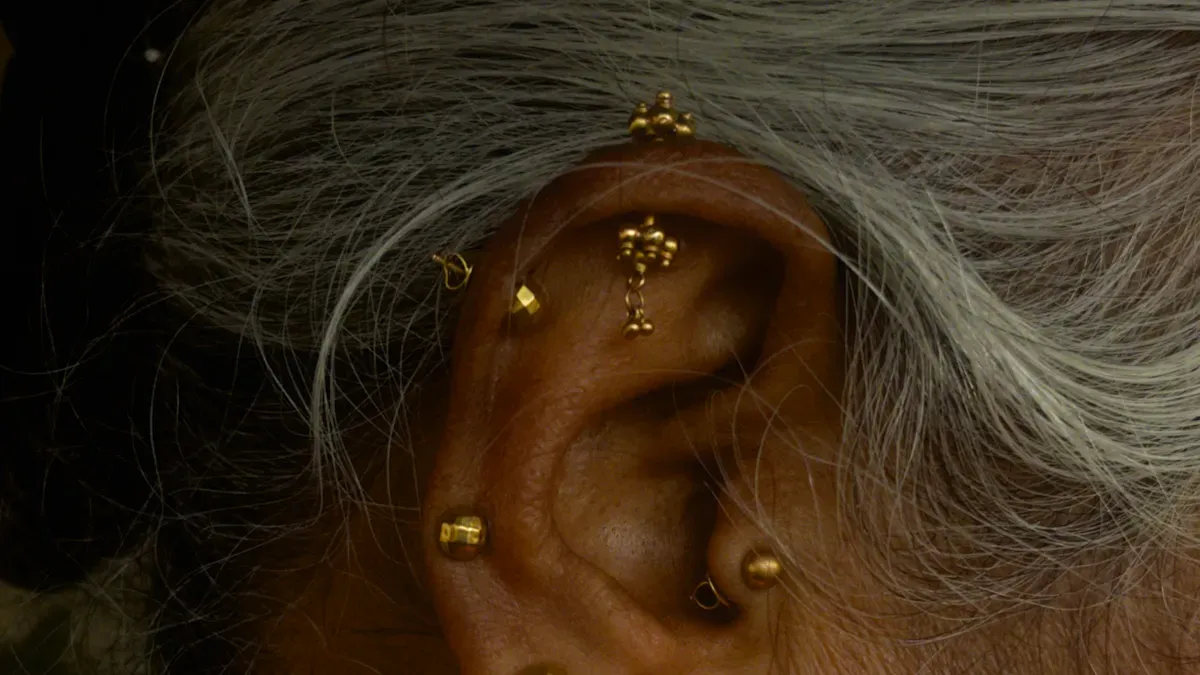
Placement on the ear
Want to know exactly where to place your mid helix piercing? This piercing is located on the upper cartilage of your ear. More specifically, it is found on the edge of the upper part of the earlobe. Here is what you need to remember:
The mid helix piercing is placed in the center of the cartilage, neither too high nor too low.
It remains clearly visible, but stays discreet thanks to its position.
This placement choice allows you to wear jewelry that catches the eye without being too flashy.
Difference with the classic helix
Wondering what the difference is between the mid helix piercing and the classic helix? The distinction is mainly based on its placement on the cartilage.
The mid helix piercing is located on the central part of the ear cartilage, between the lower and upper helix.
The classic helix piercing is generally placed on the upper part of the cartilage.
Tip: Always ask your piercer to clearly show you the different areas on your ear before choosing. This helps you visualize the final result.
Aesthetic customization
The mid helix piercing gives you a lot of freedom to personalize your style. You can choose from several popular types of jewelry:
Rings
Studs
Diamond helix piercing
18k Twisted Clicker Ring
Helix Conch Tragus Clover Piercing
Each piece of jewelry adds a different touch to your ear. You can opt for a discreet or more original look depending on your preferences. The mid helix piercing adapts to all occasions and styles.
Pain and sensations
Pain level
You are probably wondering if the mid helix piercing hurts. Several factors influence the pain you may feel:
Your ear anatomy plays an important role. Some people have thicker or more sensitive cartilage.
Pain tolerance varies from person to person. What seems bearable to you may be more intense for someone else.
Many myths circulate about the pain. Some find the piercing very painful, while others describe it as temporary discomfort.
Note: The pain is generally brief and bearable. You can compare it to a quick prick.
Sensations after piercing
After the piercing is done, you may experience different sensations. Many people talk about an intense tingling at the time of piercing. Then, a mild but persistent pain may appear for a few days. It is normal to see slight swelling or redness around the jewelry. These signs often disappear with proper care.
Tips for managing discomfort
To limit discomfort, you need to adopt a few simple habits:
Do not touch or play with your piercing.
Protect the pierced area to avoid irritation.
Use an aloe vera balm to soothe the skin.
Clean it every day with a sterile saline solution, according to your piercer's advice.
Avoid sleeping on the side with the piercing and wear loose clothing to reduce friction.
Monitor for signs of infection such as increased pain, redness, or unusual discharge.
Tip: Always follow your professional's recommendations so that your mid helix piercing heals well and remains comfortable.
Jewelry and materials for mid helix piercing
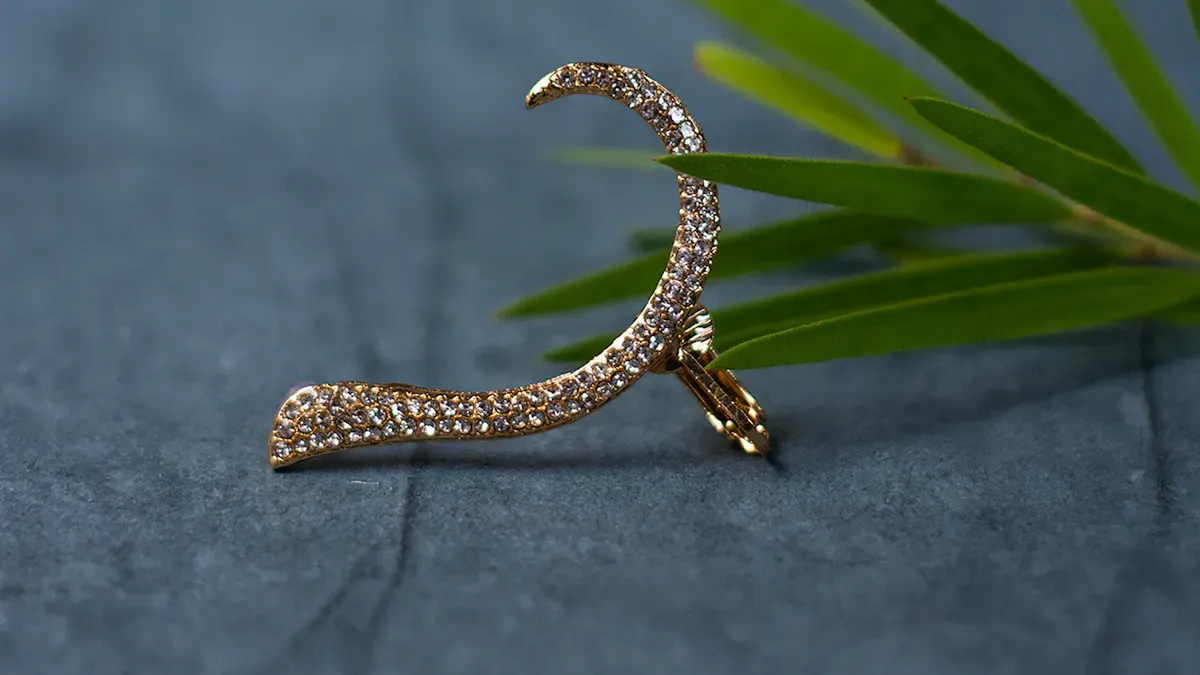
Recommended initial jewelry
For your mid helix piercing, you must choose a suitable piece of jewelry from the start. Professionals often recommend an ASTM-F136 titanium labret. This choice is not random. Here is why this jewelry is recommended:
ASTM-F136 titanium is hypoallergenic. It limits the risk of allergies and irritation.
The labret offers a flat base. You sleep more comfortably and avoid friction.
This jewelry remains stable. It moves less than a ring, which reduces the risk of irritation.
You can clean the pierced area more easily with this type of jewelry.
Tip: Avoid unsuitable materials. They can cause infections, allergic reactions, or complications during healing.
Advantages of ASTM-F136 titanium
ASTM-F136 titanium offers many advantages for your piercing. You benefit from a safe and durable material. Here are the strengths of this metal:
It is hypoallergenic and well tolerated by sensitive skin.
Its biocompatibility guarantees safe use in the body.
Titanium is corrosion-resistant and remains strong over time.
Its lightness provides additional comfort, even after several months.
You should know that other materials exist, but they present more risks. For example, surgical steel contains nickel and can cause allergies. Gold is softer and sometimes mixed with allergenic alloys. Bioplastic is flexible but less durable.
Changing jewelry
You must respect the healing time before changing your jewelry. Professionals recommend keeping the initial jewelry for at least three months. Sometimes, you can consider changing it after two months, but only if a piercer does it. Complete healing often takes between three and six months.
When you change your jewelry, always choose suitable materials such as titanium, 14 or 18-karat gold, or surgical steel. Avoid gold-plated jewelry, as it oxidizes quickly. Ask your piercer for advice to avoid any risk.
Tip: Never change your jewelry too early. Respect the timeframes to avoid complications and promote proper healing.
Care and healing
Healing time
You should know that a mid helix piercing takes time to heal. Generally, you will see complete healing between three and six months. Sometimes, the area remains sensitive for several weeks, especially if you expose your ear to irritations such as headphones, pillows, or hair. Several factors influence the speed of healing:
Lifestyle: A balanced diet, good sleep, and sufficient hydration speed up repair.
Immune system: A healthy body repairs more quickly.
Local hygiene: Regular cleaning prevents infections.
Friction and pressure: Frequent movements slow down healing.
Jewelry material: Titanium, 14-18 karat gold, or niobium promote rapid healing.
Care protocols
To properly care for your piercing, you need to adopt a simple and effective routine. Clean the area every day with a sterile saline solution. Avoid aggressive products such as alcohol, hydrogen peroxide, or strong antiseptics. These substances irritate the skin and delay healing. Here is a recommended routine:
Wash your hands before each care session.
Apply the saline solution to the piercing.
Let it air dry.
Do not touch the jewelry unnecessarily.
Tip: Use only gentle products to preserve the health of your cartilage.
Precautions to take
You must remain vigilant to avoid complications. Never touch your mid helix piercing during healing. Check the tightness of the jewelry during cleanings, but do not remove it before complete healing. Do not use a bandage, as moisture buildup prevents healing. Avoid aspirin and anticoagulants during the first fifteen days. Monitor for warning signs:
Intense redness or heat
Persistent swelling
Thick, odorous discharge
Fever or general malaise
If you notice any of these symptoms, consult a professional quickly.
Adaptability and sleep tips
Ear morphology
Each ear has a unique shape. You should know that morphology influences the ideal placement of the mid helix piercing. Some ears have thicker or thinner cartilage. Others show a more pronounced edge. A good piercer always observes the shape of your ear before piercing. They adapt the placement to guarantee a comfortable and aesthetic result. You thus gain a well-placed piercing that does not interfere with your daily life.
Sleeping with a mid helix piercing
Sleep can complicate healing. You must protect your ear at night to avoid pain and irritation. Professionals give several simple tips:
Avoid sleeping on the side with the piercing for several weeks.
Use a special pillow, such as a hole pillow, to reduce pressure on your ear.
Prefer sleeping on your back or on the other side.
Tip: A travel pillow can also help keep your piercing safe from friction.
These actions limit the risks of swelling or infection. You sleep better and promote proper healing.
Limiting complications
Want to avoid problems during the night? Adopt a few essential habits:
Always choose a reputable studio and quality ASTM F-136 titanium jewelry.
Follow the care and instructions given by your piercer.
Avoid impacts, friction, sleeping on it, or touching the jewelry.
Do not change your jewelry too early, even if the surface seems healed.
If possible, sleep on the other side or use a pillow with a hole.
Note: These precautions reduce complications and speed up the healing of your mid helix piercing.
To make your mid helix piercing a success, remember these key steps:
Choose a professional piercer.
Select suitable and safe jewelry.
Prepare yourself before piercing.
Follow daily care with sterile saline solution.
Use hypoallergenic materials to limit the risk of allergies. Always consult an expert to avoid infections or keloids. Be patient, avoid touching the jewelry, and protect your ear at night. A professional will help you personalize your project safely.
FAQ
How long should you wait before swimming after a mid helix piercing?
Wait at least 4 weeks before swimming. Pool, lake, or sea water contains bacteria. You thus reduce the risk of infection.
What should you do if your mid helix piercing swells or becomes red?
Clean the area with a sterile saline solution.
Do not touch the jewelry.
Consult a professional if the swelling persists or if the pain increases.
Can you wear headphones with a mid helix piercing?
You should avoid headphones on the pierced ear during healing. Prefer headphones on the other side or use large headphones.
What signs indicate an infection?
Symptom |
Meaning |
|---|---|
Intense pain |
Possible infection |
Yellow/green pus |
Consult a professional |
Fever |
Risk of serious infection |
Does a mid helix piercing leave a scar?
Yes, a small mark may remain if you remove the jewelry. It often stays discreet. Take care of your skin to limit the trace.


