


You're probably wondering, "My piercing is swollen, should I be worried?" Swelling after a piercing is common. You're watching your body and trying to understand if everything is okay. Stay alert to the signs without panicking. This guide will help you take the right steps to care for your piercing.
Key Points
Slight swelling after a piercing is normal. Monitor the pain and redness. If these symptoms decrease, everything is fine.
Signs such as persistent pain, intense redness, or pus indicate an infection. See a professional if these symptoms appear.
To prevent infections, clean your piercing with mild soap and avoid touching the jewelry with dirty hands.
Use a self-assessment checklist to track the progress of your piercing. Note the changes every day to better understand the situation.
If the swelling persists or worsens after a few days, see a doctor. Do not hesitate to seek help if you have any doubts.
Swollen piercing: normal or infection?
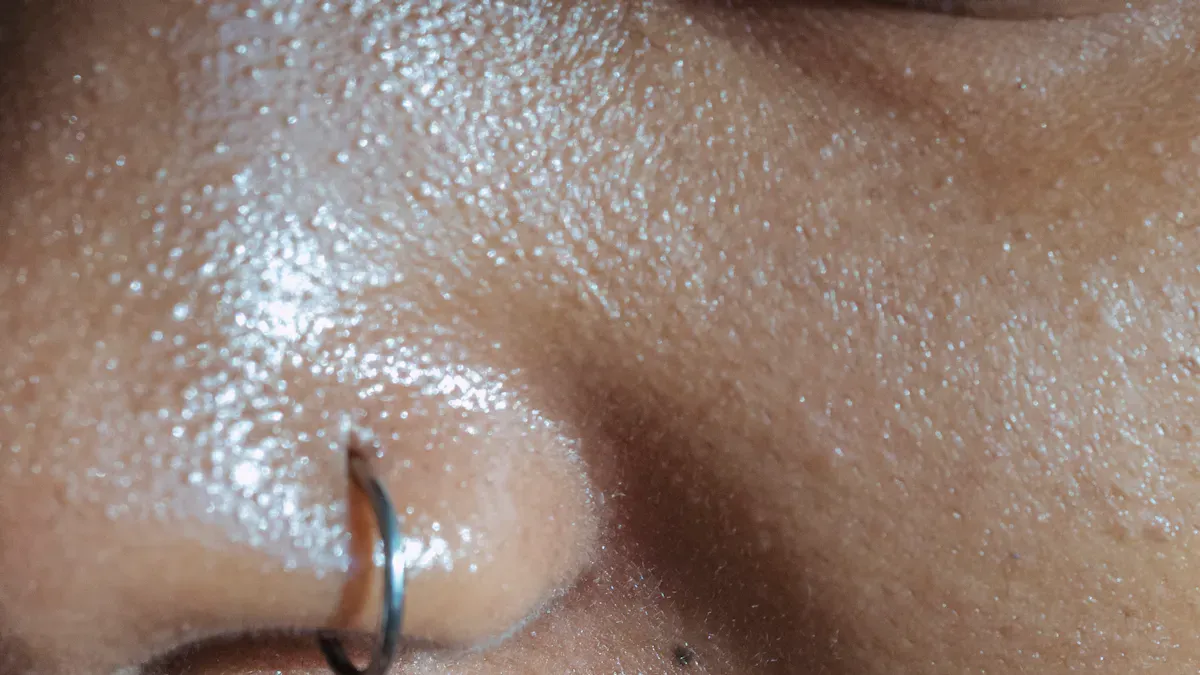
When you notice a swollen piercing, you're probably wondering if it's a normal reaction or the beginning of an infection. It's important to know that swelling is often part of the natural healing process. However, certain signs should alert you.
Normal reaction: common signs
After getting a piercing, your body reacts to protect itself. This inflammatory reaction is a normal stage of healing. Here's what you may observe:
Slight redness around the jewelry
Moderate swelling that gradually decreases
Sensitivity or mild pain
Itching
Localized red bumps
Clear or slightly yellowish discharge that decreases over time
💡 Good to know: The inflammatory phase generally lasts from 1 to 4 weeks. During this period, a swollen piercing remains common, but the symptoms should ease day by day.
If you notice that the redness, swelling, and pain are decreasing, you're probably in a normal healing phase. There is no purulent discharge or excessive redness.
Infection: symptoms to recognize
Sometimes, a swollen piercing hides an infection. You should stay alert to certain signs that differ from a normal reaction:
Intense and persistent redness around the piercing
Pain that does not decrease or worsens
Thick, yellowish, greenish, or foul-smelling discharge
Sensation of heat to the touch
Swelling that increases instead of decreasing
Appearance of fever or swollen lymph nodes
Difficulty sleeping due to pain
⚠️ Warning: If you observe pus, bright redness that spreads, or if you experience pain that keeps you from sleeping, you should quickly consult a healthcare professional. An untreated infection can lead to serious complications.
The choice of jewelry also plays a role. Opt for hypoallergenic materials such as titanium or nickel-free 18-karat gold. Avoid poor-quality jewelry that can cause allergic reactions or promote infection.
In summary, a swollen piercing can be normal if the symptoms decrease over time. If you notice worsening or unusual signs, it's best to seek professional advice.
Self-assessment: how to self-diagnose?
You want to know if your swollen piercing is normal or if you should see a professional? You can follow a simple process to assess yourself. Observe the progress of your piercing every day. Note the changes and compare them with the list below.
Checklist of symptoms to monitor
Here is a checklist to help you monitor your piercing:
The skin around the piercing becomes very thin
The pain returns after improvement
You see persistent redness and feel local heat
You observe suspicious discharge or an unpleasant odor
Take the time to check each point. If you check several boxes, stay vigilant. A swollen piercing can evolve, so carefully note each symptom.
When to worry?
Certain signs indicate that you should quickly consult a healthcare professional. You should worry if you notice:
Pain that becomes stronger
A sensation of heat around the piercing
Yellow or green pus discharge
An unpleasant odor
Swelling of the ear or the pierced area
Intense pain that keeps you from sleeping
An abscess (hard and painful lump)
Fever
If you do not see improvement after two or three days of proper care, see a doctor. Do not wait if the pain or swelling worsens. Medical treatment may be necessary to prevent complications.
🩺 Tip: Take photos every day to track the progress of your piercing. This helps you see whether the situation is improving or not.
Preventing and managing a swollen piercing
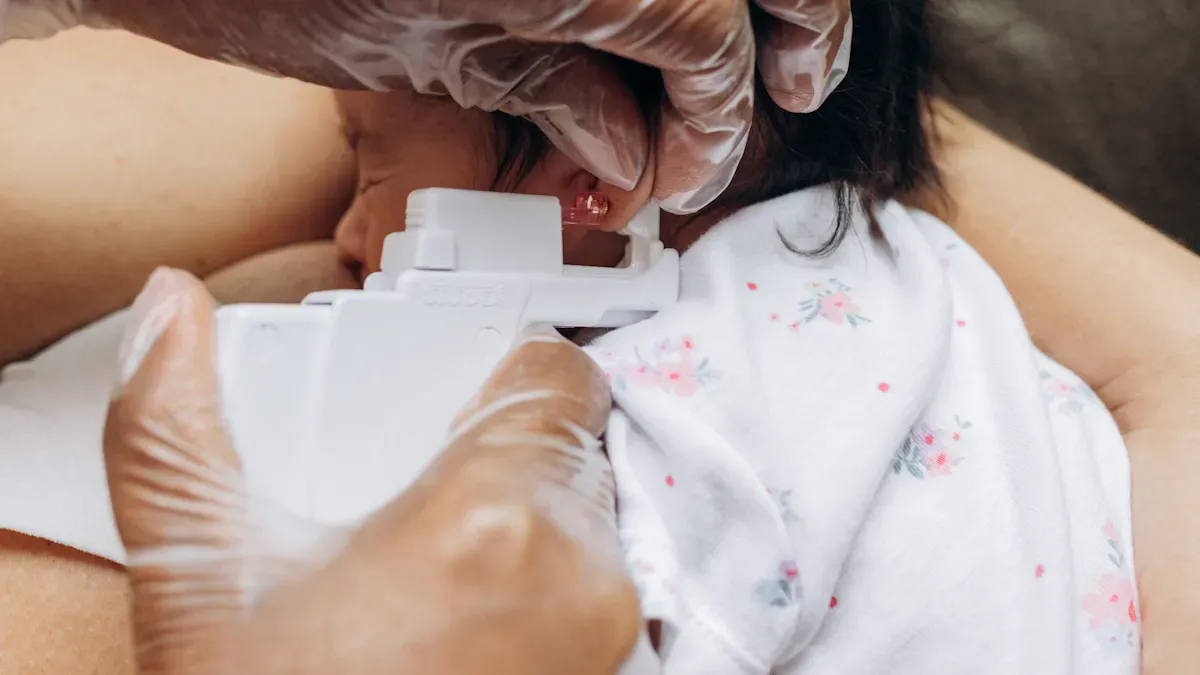
Daily hygiene tips
You can limit the risk of infection and reduce swelling by adopting good habits every day. Here are the steps recommended by healthcare professionals:
Wash your piercing for 6 weeks with pH-neutral soap or saline solution.
Rinse with clean water and gently dry with a sterile gauze pad.
Clean regularly with a sterile saline solution to promote healing.
Avoid water that is too hot, as it can worsen inflammation.
Always prepare the area with clean hands before touching the jewelry.
Use chamomile infusion compresses to soothe swelling.
Apply honey or aloe vera for their healing properties, if you are not allergic.
💡 Good daily care helps your swollen piercing heal faster and limits complications.
Actions to avoid
Certain actions increase the risk of infection or complications. Here is a table to help you distinguish bad habits from good practices:
Risky practice |
Good practice |
|---|---|
Touching the jewelry with dirty hands |
Washing your hands before any handling |
Using an alcohol-based mouthwash |
Opting for an alcohol-free mouthwash |
Playing with the piercing, biting it |
Leaving the jewelry alone |
Consuming alcohol, tobacco, spicy foods |
Adopting a mild diet |
Neglecting cleaning after meals |
Rinsing the mouth with water or saline solution |
Also avoid using harsh products such as alcohol or hydrogen peroxide. Do not touch or turn the jewelry without reason. Avoid going to the pool, the beach, or the spa during healing.
When to see a professional?
You should see a professional if you observe:
Swelling that is hot, fluctuant, or accompanied by fever
Thick discharge or yellowish crusts
Red lines spreading from the piercing
Swelling that lasts more than 7 days
Appearance of fever or swollen lymph nodes
Any sudden change in the piercing
Certain situations require special attention, such as a chronic illness, pregnancy, or taking medications that weaken your immune system. If you have any doubts, do not hesitate to ask a professional for advice to prevent the swollen piercing from worsening.
To differentiate a normal reaction from an infection, remember these essential points:
Normal pain decreases every day, while an infection causes pain that worsens.
Persistent swelling, widespread redness, or pus indicate an infection.
A soft area, slightly pink, without purulent discharge indicates good healing.
If in doubt, use the self-assessment checklist. Take care of your piercing: clean it regularly, avoid touching it, and see a professional if symptoms persist. You can apply cold saline solution to relieve swelling. Stay alert, take the right steps, and trust your observation.
FAQ
My piercing swells after several days, is that normal?
You may observe slight swelling during healing. If the swelling increases, becomes painful, or is accompanied by pus, see a professional. Swelling that decreases generally remains normal.
Can I remove my jewelry if my piercing swells?
Do not remove your jewelry without medical advice. You risk closing the wound and trapping an infection. See a professional before any handling.
What products should I use to clean my piercing?
Use sterile saline solution.
Opt for a mild, pH-neutral soap.
Avoid alcohol, hydrogen peroxide, and harsh products.
Should I avoid sports with a swollen piercing?
You can continue sports if you properly protect your piercing. Avoid contact sports or the pool during healing. Stay alert to the progress of the swelling.
When should I see a doctor?
See a doctor quickly if you observe:
Intense redness
Persistent pain
Pus or fever
A professional will be able to advise and treat a possible infection.


