


Want a successful flat piercing without any hassle? Take the time to choose carefully and properly care for your piercing. A poor choice or neglected care can lead to infections, allergies or even have your body reject the jewelry, which can leave a permanent scar. Think about every detail, from the jewelry to the position, to fully enjoy your new style safely.
Key Points
Choose a professional piercer to ensure safe and hygienic piercing.
Opt for hypoallergenic jewelry made of titanium or surgical steel to avoid allergies.
Adopt a daily cleaning routine with a saline solution to prevent infections.
Be patient: a flat piercing can take up to 12 months to heal.
Avoid changing your jewelry too early to prevent complications and ensure proper healing.
Flat piercing: definition and placement
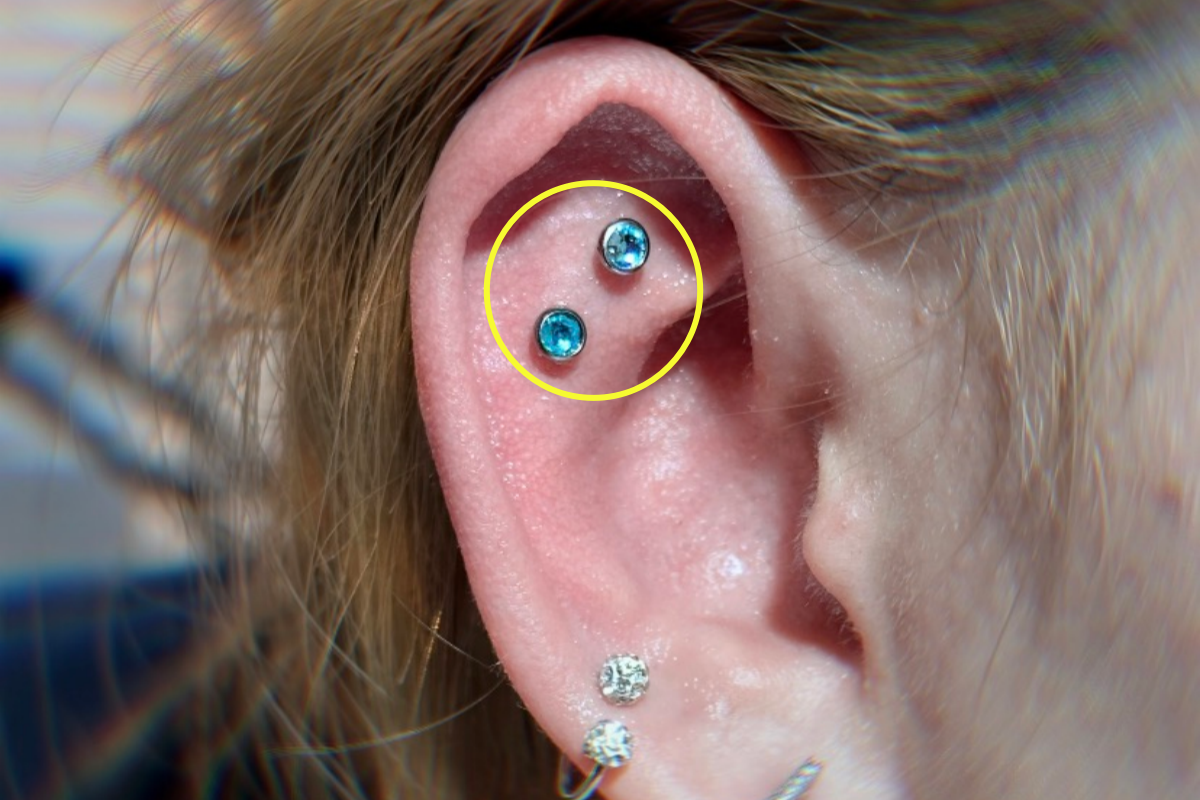
Where is the flat piercing located?
Want a modern and discreet look? The flat piercing meets your expectations. This piercing is placed on the flat part of the upper cartilage of your ear. You'll find it between the helix and the antihelix, where the surface remains smooth and wide. This choice allows you to add jewelry that blends perfectly with an ear composition without overwhelming your style.
Tip: The flat piercing remains highly appreciated for its discretion. It catches the eye without ever dominating the overall look of your other piercings.
Here is how to precisely locate its position:
Flat part of the upper cartilage
Located between the helix (outer edge) and the antihelix (inner fold)
Ideal area for fine or ornate jewelry
You gain elegance and personalize your ear according to your desires. This type of flat piercing adapts to all body types and offers great creative freedom.
Differences with other ear piercings
Are you hesitating between several piercings? Discover the main differences to make the right choice. The table below helps you compare the flat piercing with the helix and the tragus:
Piercing type |
Pain level |
Healing time |
|---|---|---|
Flat piercing |
6 to 12 months |
|
Helix piercing |
Varies depending on cartilage thickness |
3 to 9 months |
Tragus piercing |
High (sensitive area) |
6 to 12 months |
The flat piercing stands out for its unique location and moderate pain. You enjoy a healing process that requires patience, but you get a refined and long-lasting result. Choose this piercing if you are looking for a subtle and trendy touch, different from classics like the helix or the tragus.
Choosing your flat piercing
Selecting a professional piercer
Want to avoid unpleasant surprises? Choose a professional and experienced piercer. Here are the essential criteria to check before getting started:
The studio respects strict hygiene standards: gloves, mask, sterile equipment.
The piercing is performed only with a sterile needle or a single-use catheter, never with a piercing gun.
The initial jewelry is sterilized and made of implantable material, such as titanium.
The piercer listens to you, advises you, and ensures follow-up after the session.
Customer reviews are positive and the studio regularly performs this type of piercing.
Tip: Take the time to read online reviews and visit the studio before making an appointment.
Choosing suitable and hypoallergenic jewelry
For a successful flat piercing, select quality jewelry. Favor hypoallergenic materials such as titanium, surgical steel, or niobium. These materials reduce the risk of allergies and promote proper healing. Avoid nickel or brass, as they can cause redness or itching.
Here is a table to help you choose the ideal jewelry according to the occasion:
Occasion |
Recommended jewelry type |
Suggested material |
|---|---|---|
Daily |
Simple stud or micro labret |
Gold, silver, titanium |
Professional |
Understated and elegant jewelry |
Titanium, surgical steel |
Special events |
Jewelry adorned with stones or motifs |
Gold, silver |
Don't forget: a straight labret with a 7 to 8 mm bar is perfect for the initial placement.
Thinking about aesthetics and position
Think about the position of your flat piercing to harmonize the overall look of your ear. This piercing blends easily into a composition and remains discreet while highlighting your jewelry. If you are considering other piercings, start with those that require the most healing time, such as the upper cartilage. Add the others gradually and leave resting areas to avoid an overloaded look.
Tip: Choose jewelry you really like, because it will stay in place for several months during healing.
Piercing process
Session walkthrough
Want to have a reassuring and professional experience? Discover how a flat piercing session with a specialist works. Every step counts to ensure your safety and the success of your piercing.
The piercer starts by carefully disinfecting the area of your ear.
They precisely mark the location of the piercing with a sterile marker. You can confirm the position before continuing.
They prepare a sterile needle and perform the cartilage perforation with a gentle and precise movement.
During the procedure, they sometimes use distraction techniques to reduce your discomfort. You remain relaxed and confident.
After placing the jewelry, they give you personalized advice for post-piercing care.
Tip: Don't hesitate to ask questions during the session. A good piercer takes the time to explain each step.
Preparation before piercing
Prepare yourself well to experience this moment with complete peace of mind. A few simple precautions make all the difference.
Research the piercer and choose a clean studio specializing in body piercing.
Check that the equipment used is sterile and that the piercer wears clean gloves.
Wash your hands before touching your ear, even before the session.
Favor jewelry made of surgical steel, titanium, or gold to avoid allergic reactions.
Never share your jewelry during healing.
Avoid any contact with contaminated liquids after piercing.
Think about the location of the piercing and its impact on your lifestyle.
Tip: Prepare yourself mentally. Arrive rested and relaxed to fully enjoy your experience.
By following these steps, you give yourself every chance for a successful, safe, and stylish flat piercing!
Care and healing
Daily cleaning
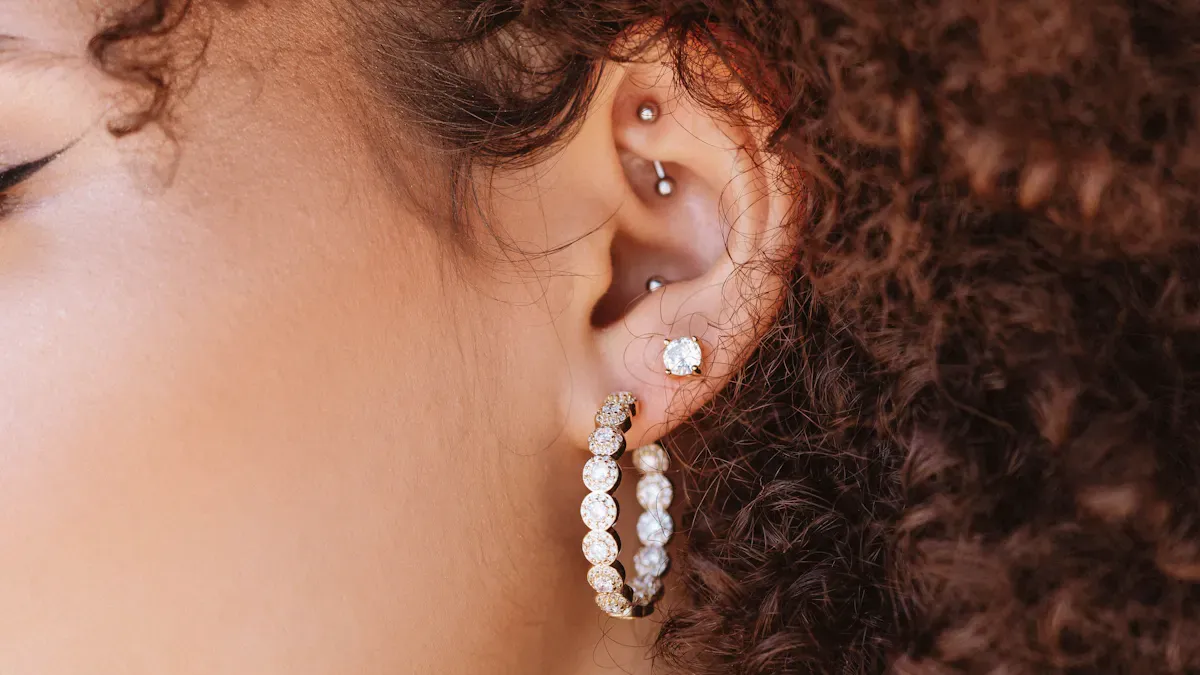
Want to keep your flat piercing clean and avoid infections? Set up a simple and effective routine from day one. Use a sterile saline solution, such as a suitable sea water spray. Clean the area once or twice a day for the first two weeks, then switch to once a day. Never use cotton swabs or products containing alcohol, as they irritate the skin and slow down healing. Always let it air dry and avoid touching the jewelry. Change your pillowcase regularly to limit the presence of bacteria.
Tip: The more you follow these steps, the more chances you give your ear to heal quickly and properly.
Preventing complications
You must stay attentive to signs that show something is wrong. Here are the symptoms to watch for:
Persistent pain or worsening pain
Excessive redness around the piercing
Purulent discharge (yellow or green liquid)
Spreading red area
No improvement after 48 to 72 hours
If you notice one or more of these signs, quickly consult a piercing professional or a doctor. Don't wait for the situation to worsen. Take care of your flat piercing to avoid complications.
Tips for proper healing
For optimal healing, adopt a rigorous routine and avoid common mistakes. Here are the steps to follow:
Clean every day with a sterile saline solution to keep the area clean.
Choose suitable jewelry, made of titanium or gold, and do not change it before complete healing.
Avoid any irritating product such as alcohol or unrecommended creams.
Consult a professional if you encounter difficulties or if healing stalls.
Don't forget: Never touch your piercing with dirty hands. Don't change your jewelry too early. Don't expose your ear to dirty water (swimming pool, sea, bath). Always follow your piercer's advice.
Managing pain
Are you feeling discomfort or pain after piercing? You can take action to relieve yourself. Apply a cold compress to the ear to reduce inflammation. Use a soothing oil, such as tea tree oil, or a repairing cream if your piercer recommended it. Continue regular cleaning with the saline solution. Never touch your piercing without washing your hands. If the pain persists or intensifies, consult a professional without delay.
Tip: Take care of yourself and listen to your body. Good hygiene and serious follow-up guarantee a beautiful and healthy flat piercing.
Changing and maintaining your jewelry
When to change the jewelry
Want to change your jewelry for a new look? Always wait until healing is complete. Professionals recommend waiting at least 12 weeks before replacing the jewelry in your flat piercing. If you change it too early, you risk micro-tears, painful inflammation, or even an infection. Sometimes, the body can even reject the jewelry, which would force you to start over. If you encounter a particular problem, consult your piercer before any manipulation.
Patience = safety and lasting beauty for your ear!
Changing your jewelry safely
To change your jewelry without risk, adopt a rigorous method. Here are the steps to follow:
Wash your hands carefully with soap and water.
Clean the area with a sterile saline solution.
Avoid alcohol or hydrogen peroxide, which irritate the skin.
Take a warm shower to relax the skin and facilitate removal.
Disinfect the new jewelry before inserting it.
Prepare a clean and quiet space to perform the change.
Handle the jewelry gently, without forcing.
If you have the slightest doubt, ask for a professional's help. You will thus ensure the health of your piercing and avoid any complication.
Daily maintenance
Regular maintenance guarantees the beauty and longevity of your piercing. Here is a simple routine to adopt:
Always wash your hands before touching your ear.
Clean the area with a pH-neutral soap twice a day.
Apply a sterile saline solution using a clean compress.
Favor showering over bathing to limit bacteria.
Dry gently with a clean compress.
To make these steps easier, use an all-in-one care kit, a gentle cleansing gel, or disinfectant wipes to take everywhere. You thus offer your flat piercing the best conditions to stay healthy and radiant every day.
To make your flat piercing a success, you must make thoughtful choices and bet on quality. Select an experienced piercer, opt for hypoallergenic jewelry, and adopt a rigorous care routine. Be patient: healing can take up to 12 months. Consult a professional if you notice swelling or persistent discomfort. Serious care offers you an optimal healing, fewer risks of infection, and radiant jewelry. Enjoy your flat piercing safely and in style! ✨
FAQ
How long does it take for my flat piercing to heal?
You must wait between 6 and 12 months for complete healing. Follow the daily care and avoid changing the jewelry too early. You will thus ensure the beauty and health of your ear.
Can I sleep on my flat piercing?
Avoid sleeping on the side of the piercing for the first few months. You will thus reduce the risks of irritation and jewelry displacement. Use a travel pillow for more comfort.
What products should I use to clean my flat piercing?
Use only a sterile saline solution or a sea water spray. Never apply alcohol, peroxide, or unrecommended creams. You will thus protect your skin and speed up healing.
Is the flat piercing painful?
The pain remains moderate and quick. You feel a slight pressure during piercing, but it only lasts a few seconds. You gain a unique style without suffering for long. 💪


