


You're wondering if a septum piercing hurts. The sensation is like a quick pinch, often less intense than other nose piercings.
You need to follow specific aftercare to ensure proper healing.
The choice of jewelry affects healing and safety.
-
You may face risks such as infection or visible scarring.
To avoid complications, you should always choose a qualified professional and suitable materials.
Key Points
Septum piercing pain is moderate and brief. Prepare yourself mentally to better manage the sensation.
Choose hypoallergenic jewelry such as titanium to promote fast healing and prevent infections.
Follow a daily care routine: clean the area with a saline solution and avoid touching the jewelry.
Avoid common mistakes such as using harsh products or removing the jewelry too early to prevent complications.
Consult a professional if you have any doubts or concerning symptoms to protect your health and ensure proper healing.
Septum Piercing Pain
Intensity and Comparison
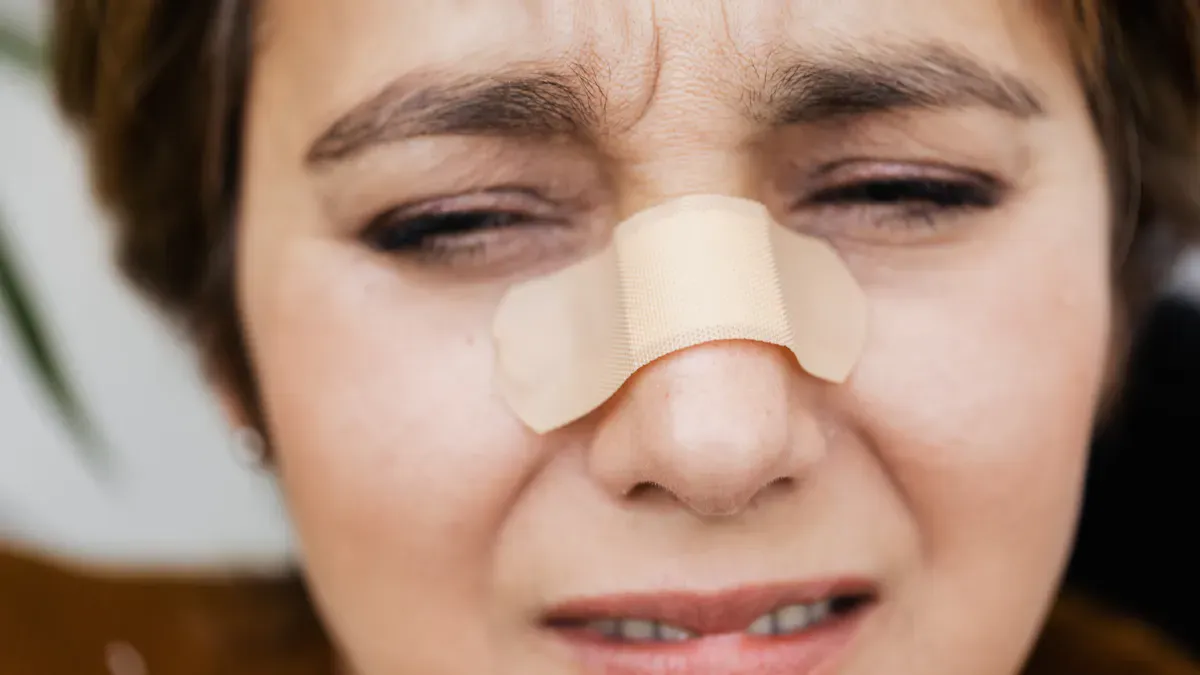
You're probably wondering how much a septum piercing hurts. Most people describe the pain as moderate and manageable. Many compare it to a quick prick, followed by slight pressure. In general, you'll feel less pain than with a standard nostril piercing. The sensation quickly disappears after the piercer is done. So you can expect brief discomfort, but not persistent pain.
Pain Factors
Several factors influence the pain you feel during a septum piercing. The needle passes through a thin membrane called the "sweet spot". If the piercer finds this exact point, you'll feel less discomfort. An experienced professional uses a gentle and quick technique. Your stress or anxiety level also plays a role. If you're tense, you may feel the pain more intensely. Mental preparation helps you better manage the sensation.
Tips for Managing It
Here are a few tips to reduce pain and discomfort during a septum piercing:
Breathe deeply and try to relax before the session.
Choose an experienced piercer who knows nose anatomy well.
Ask them to use gentle techniques to minimize discomfort.
After the piercing, carefully follow the aftercare instructions: clean the area regularly and avoid touching the jewelry with dirty hands.
Prepare yourself mentally and use stress management techniques, such as listening to music or talking with a friend before the appointment.
Tip: The more relaxed you are, the less pain you'll feel. Taking the time to choose your professional carefully and prepare yourself mentally makes all the difference.
Healing and Aftercare
Healing Time
You should know that a septum piercing does not heal in just a few days. Initial healing generally takes between 2 and 4 months. During this period, the area remains sensitive, and you must strictly follow the aftercare routine. Complete healing can take up to 6 months, depending on your skin and hygiene. You'll often notice rapid improvement, but you must remain vigilant to avoid complications.
Tip: Patience and consistency are essential. Even if you feel better after a few weeks, continue the aftercare until it has completely healed.
Daily Care
You need to adopt a care routine to protect your septum piercing. Piercing associations recommend the following steps:
Clean the pierced area twice a day with a sterile saline solution.
Never touch the piercing with unwashed hands. Avoid playing with the jewelry.
Use soft paper tissues when blowing your nose and maintain good nasal hygiene.
You should avoid certain actions when cleaning. Do not use an alcohol-based solution, as it burns the scar tissue. Avoid hydrogen peroxide, which softens the tissues and delays healing. Do not apply healing ointments, as they suffocate the piercing and promote infections. Cotton can leave fibers in the wound, so use sterile gauze instead.
Tip: Follow the care routine every day. You'll reduce the risk of infection and promote fast healing.
Mistakes to Avoid
You should know the common mistakes that slow down the healing of a septum piercing. Experts advise avoiding:
Using harsh products
Touching or twisting the jewelry
Removing the jewelry too early
Ignoring signs of infection
Avoiding tobacco, alcohol, stress, or lack of sleep
Limiting intense sports activities
Avoiding baths, swimming pools, and steam rooms during healing
Certain activities pose risks during healing. You should avoid swimming, as swimming pools contain chemicals and bacteria. Combat sports and martial arts expose you to impacts and tears. For weightlifting or fitness, pay attention to friction with clothing and adapt your outfit to avoid irritation.
Note: If you notice redness, swelling, or discharge, consult a professional quickly. You'll protect your health and avoid complications.
Jewelry for Septum Piercings
Recommended First Piece of Jewelry
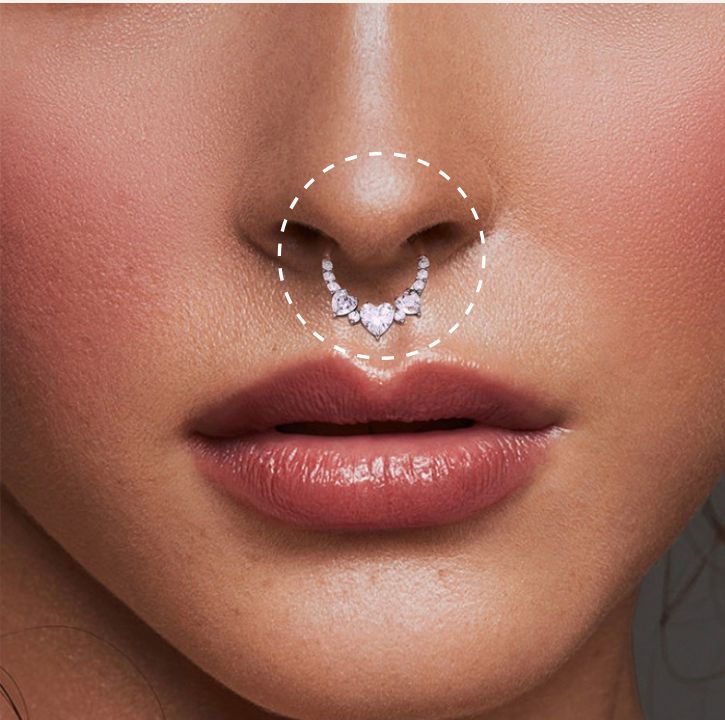
You need to choose the right jewelry to start your septum piercing. Professionals recommend hypoallergenic materials to prevent reactions and promote proper healing. You can choose:
A horseshoe (circular horseshoe), which is very practical and discreet.
A simple, elegant, minimalist ring.
ASTM-F136 titanium remains the experts' preferred choice. This material is biocompatible and reduces the risk of irritation or allergies. This ensures optimal healing and minimizes complications. Take the time to talk with your piercer to choose the jewelry that suits your body type.
Tip: Quality jewelry makes healing easier and protects you from infections.
Changing Jewelry
You must wait until it has completely healed before changing your jewelry. Generally, you can consider changing it after 6 to 8 weeks, but it's better to wait 4 to 6 months to avoid risks. When you decide to change it, you should consult a professional. They use sterile tools and check the condition of your skin. This helps you avoid injuries and infections.
Here are a few tips for changing it:
Always clean your hands before touching the jewelry.
Choose a clean and quiet environment.
Choose jewelry that fits the size of your septum.
Note: Never force the jewelry. If you feel discomfort, ask a specialist for help.
Safe Materials
You should choose materials recognized for their safety. European standards recommend:
Titanium (G5 or G23)
Biocompatible and hypoallergenic materials
Avoid jewelry made of materials that cause allergies or hypersensitivity. Some metals can cause tissue or cell damage. You protect your health by choosing safe and suitable materials.
Material |
Safety |
Recommended |
|---|---|---|
Titanium |
Very high |
Yes |
316L steel |
High |
Yes |
Plastic |
Low |
No |
Nickel |
Very low |
No |
Tip: Always ask for the composition of the jewelry before buying. You'll avoid unpleasant surprises and promote healthy healing.
Risks and Prevention
Common Risks
You should know the main risks associated with a septum piercing. Infections remain the most common. You may also experience allergic reactions, especially if you wear jewelry containing nickel. Sometimes, improper handling causes a tear or avulsion of the piercing. Here are the signs that should alert you:
Persistent redness or pain around the piercing
Discharge lasting more than five days
Appearance of yellowish scabs
Hot, swollen, or fluctuant area, sometimes accompanied by fever
Red lines spreading from the piercing
Itching, blisters, or oozing (signs of an allergy)
Tear or avulsion of the jewelry
If you notice any of these symptoms, you should consult a healthcare professional quickly.
Preventing Complications
You can reduce risks by adopting good habits from day one. Always follow the aftercare instructions. Here are the essential steps to avoid complications:
Clean the piercing once or twice a day with pH-neutral soap, then rinse with physiological saline.
Never touch the piercing except when providing aftercare.
Wash your hands before each handling.
Do not apply makeup on or around the piercing.
Avoid baths, swimming pools, the sea, saunas, beaches, and sun exposure until it has completely healed.
Never remove the jewelry during healing.
Be careful with glasses and motorcycle helmets.
Avoid violent or contact sports.
Tip: The more you follow these rules, the more you promote fast and trouble-free healing.
What to Do in Case of a Problem
If you experience a problem, you must act quickly. Watch for the appearance of fever, hot and painful redness, or significant swelling. If you notice red lines, a tear, or prolonged discharge, consult a doctor. Allergic reactions such as itching, blisters, or oozing also require medical advice. Never try to remove the jewelry yourself in case of a complication.
Note: Quick medical follow-up limits the risk of scarring or serious infection. You'll protect your health and the beauty of your piercing.
Cost and Scarring
Average Price
You probably want to know the price of a septum piercing. Prices vary depending on the specialized studios and the region. In France, you'll often find prices between €45 and €70. Here are a few examples to help you compare:
Specialized studio |
Price |
|---|---|
€49 |
|
Corpus Memori Nantes |
€60 |
The price generally includes the initial jewelry, sterile equipment, and aftercare advice. You should always ask for a precise quote before making an appointment. A price that is too low may hide a lack of hygiene or quality.
Scarring After Removal
You're probably wondering if the piercing leaves a mark after removal. Most of the time, the scar remains discreet. You may see a small dot or slight discoloration under the nose. The size of the scar depends on how long you wore the jewelry and your ability to heal.
To minimize traces, you should follow a few simple tips:
Follow your body piercer's aftercare instructions.
Clean the area regularly with a saline solution.
Apply a healing ointment, such as Derma Jouveau ointment.
Avoid unhygienic contact with the pierced area.
Apply a thin layer of honey or pure aloe vera gel to the area being treated.
Leave it on for a few minutes, then rinse gently with lukewarm water.
Do not use these products excessively so as not to suffocate the skin.
Tip: A rigorous hygiene routine helps your skin regenerate faster.
Tips for Discretion
You may sometimes want to hide your piercing or prevent it from leaving visible traces. Here are a few tips for greater discretion:
Choose a horseshoe-style piece of jewelry that you can turn inside the nose.
Choose fine jewelry without rhinestones to limit visibility.
Adopt a strict hygiene routine to avoid redness or scabs.
Take care of your body from the inside: drink water, eat well, and sleep well.
Note: The more you take care of your skin, the more discreet the scar will be after removing the jewelry.
Remember that a septum piercing causes moderate pain and heals quickly if you follow the aftercare. To ensure a successful experience, you must:
Choose a hypoallergenic piece of jewelry such as titanium.
Clean the area every day with a saline solution.
Change the jewelry at the right time.
Consult a professional if you have any doubts.
A reputable studio and a certified piercer ensure hygiene and safety. This guarantees an aesthetic and risk-free result.
FAQ
Does a septum piercing hurt for a long time?
You'll feel brief pain, often like a pinch. The discomfort disappears within a few hours. You may have slight sensitivity for a few days, but nothing intense.
Can I hide my septum piercing at work or school?
Yes, you can choose a horseshoe jewelry. You flip it inside the nose to make it invisible. This type of jewelry remains discreet and practical.
When can I change my jewelry for a fashion model?
You must wait for complete healing, which is about 4 to 6 months. Changing too early increases the risk of infection or irritation.
What should I do if my piercing smells bad?
A slight odor can appear during healing. You should clean the area with a saline solution. If the odor persists or is accompanied by other symptoms, consult a professional.
Does the septum piercing leave a visible scar?
The scar remains very discreet. You can see a small dot under the nose after removal. A good hygiene routine helps limit traces.


