


Comparison of Piercing Materials
Discover the differences between gold-plated silver and titanium.
Features |
Gold-plated silver earring |
Titanium earring |
|---|---|---|
Material |
925 silver with gold plating |
ASTM-F136 titanium |
Hypoallergenic |
May contain alloys |
Completely hypoallergenic |
Durability |
Less durable, wears over time |
Very durable, corrosion-resistant |
Maintenance |
Requires regular maintenance |
Easy to maintain, requires little care |
Aesthetics |
Golden shine, many styles |
Modern design, various finishes |
Price |
More affordable |
Higher cost |
Healing |
Wear after healing |
Ideal for first piercings |
Allergic reactions |
Possible risk of allergies |
Very low risk of allergies |
You want to choose a safe material for your piercings. Safety matters a lot when you have sensitive skin. ASTM-F136 titanium protects your skin and stands the test of time. You are also looking for a unique style. The gold-plated silver earring piercing catches the eye and adds an elegant touch to your look. Take the time to compare each option to find the one that suits you.
Key Points
ASTM-F136 titanium is ideal for sensitive skin. It minimizes the risk of allergies and promotes fast healing.
Fine gold-plated silver offers a wide variety of styles. Choose a design that reflects your personality and easily change your look.
Take care of your gold-plated silver jewelry. Use gentle methods to preserve its shine and avoid harsh chemicals.
Titanium is durable and corrosion-resistant. It stays beautiful even after years of wear, making it a good investment.
For a first piercing, opt for ASTM-F136 titanium. It ensures safety and comfort during healing.
Material Overview

Gold-plated silver earring piercing: features
You discover the gold-plated silver earring piercing as a piece of jewelry that combines elegance and versatility. This material uses 925 silver coated with a thin layer of gold. You enjoy a golden shine without choosing a piece entirely made of gold. Fine gold-plated silver collections offer many styles. You find classic hoops, minimalist designs, or earrings adorned with cubic zirconia and pearls. Some finishes include rhodium or even platinum to vary the visual effects. This type of gold-plated silver earring piercing adapts to all occasions, from everyday wear to a special evening. The quality of manufacturing guarantees a refined finish and appreciable durability. You can express your style with great freedom thanks to the diversity of designs.
Tip: Choose a design that matches your personality. Fine gold-plated silver options allow you to change your look easily.
ASTM-F136 titanium: main advantages
ASTM-F136 titanium offers you a different experience. This material stands out for its biocompatibility. You avoid adverse reactions and reduce the risk of irritation or infection. Professional piercers recommend titanium for first piercings. Its lightness and corrosion resistance ensure a long lifespan. You benefit from a smooth surface that promotes healing. Titanium creates a healthy environment for your skin, especially if you have a particular sensitivity.
-
You notice that titanium is often used for piercings because of:
Its ability to minimize the risk of infection.
Its hypoallergenic properties.
Its certification for safety and durability.
The manufacturing quality of titanium jewelry remains high. You find sleek designs and modern finishes. This material is perfect for those looking for a reliable and discreet piercing.
Safety and allergies
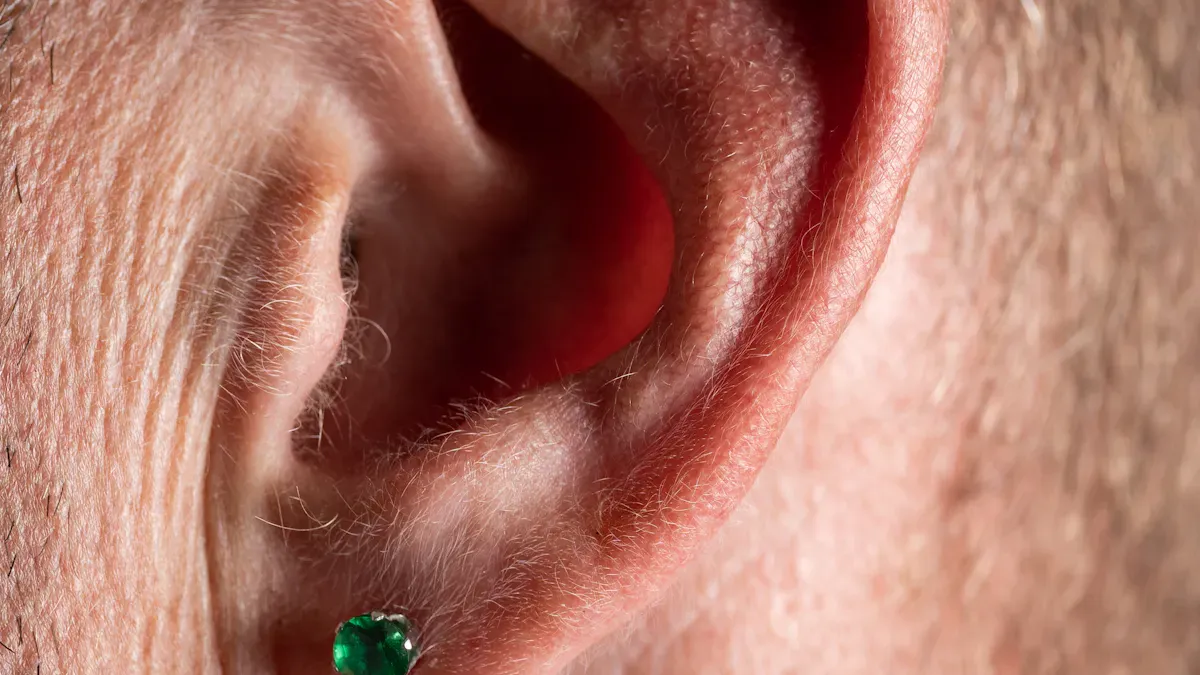
Biocompatibility of ASTM-F136 titanium
You want to avoid unpleasant surprises after a piercing. ASTM-F136 titanium protects you thanks to its exceptional biocompatibility. This material does not react with the skin. It remains stable and inert, even with prolonged contact with your body. Medical studies show that ASTM-F136 titanium is one of the safest materials for piercings.
ASTM-F136 titanium is inert, lightweight, and resistant. You thus limit the risk of allergies or adverse reactions.
This medical-grade titanium complies with strict standards. It carries the ASTM-F136 certification, which guarantees its purity and safety for body use.
ASTM-F136 titanium jewelry is considered "implantable". You can therefore wear it without fear, even if you have sensitive skin.
This material is corrosion-resistant. It does not release harmful particles into the skin.
Allergic reactions remain rare. About 5% of users report problems, which is very low.
Note: Professional piercers often recommend ASTM-F136 titanium for a first piercing or for people prone to allergies.
Risks with fine gold-plated silver
Fine gold-plated silver attracts with its shine, but you must know the potential risks to the skin. Pure gold and silver almost never cause allergies. However, most gold-plated silver jewelry contains other metals to strengthen the structure.
The alloys used can include nickel, copper, or zinc. These metals are used to improve the strength or color of the jewelry.
Nickel is a common allergen. It affects about 15% of the population. If you are sensitive, you may develop redness, itching, or irritation.
Copper and zinc sometimes cause reactions, but less often than nickel.
You must therefore check the exact composition of your jewelry before wearing it. If you have already had reactions to certain metals, choose a nickel-free model. You thus minimize the risk of allergies and enjoy your piercing with complete peace of mind.
Tip: For maximum safety, opt for hypoallergenic-certified jewelry or pieces specially designed for sensitive skin.
Durability
Titanium resistance
ASTM-F136 titanium offers you exceptional durability. This material remains stable even after years of wear. You notice that titanium does not rust or oxidize, even in contact with water or sweat. Professionals often choose titanium for first piercings because it retains its properties over time. Its chemical neutrality protects your skin and preserves the shine of the jewelry.
Titanium is more inert than stainless steel.
It resists external aggressions such as moisture or chemicals.
You can wear a titanium piece every day without worrying that it will tarnish or deform.
Titanium is perfect if you are looking for a reliable and sturdy piece of jewelry for everyday wear.
Wear of gold-plated silver
Fine gold-plated silver seduces with its shine, but its durability depends on several factors. The thickness of the gold layer plays an important role. A thicker layer protects the jewelry better against wear. The type of metal used under the gold also influences longevity. 925 silver, often chosen for its quality, provides a good base.
The thickness of the applied gold determines the resistance to wear.
The base metal, such as 925 silver, provides strength and shine.
Plating methods, whether electrolytic or mechanical, guarantee a durable finish.
If you opt for a PVD gold piece, you benefit from increased resistance. PVD gold does not discolor and does not tarnish, even with sweat or moisture. This type of finish retains its hypoallergenic properties and keeps its new appearance longer.
Tip: To keep your gold-plated silver jewelry shiny, choose a quality finish and avoid repeated contact with chemicals.
Aesthetics and styles
Choice of gold-plated silver styles
You want to express your personality through your jewelry. The gold-plated silver earring piercing offers you great freedom of style. You can choose thin hoops, minimalist designs, or earrings adorned with cubic zirconia and pearls. Current trends highlight the accumulation of piercings. You can wear several different earrings on the same ear and create a unique look. Many people like to match the color of the metal for a harmonious effect. You can also mix gold-plated silver with gold to follow the trend of two-tone jewelry. This trend allows you to layer and combine different styles without hesitation.
-
You easily find:
Classic or XXL hoops
Discreet earrings for everyday wear
Sophisticated designs for special occasions
Tip: Dare to mix shapes and sizes for a modern and personalized effect.
Titanium finishes and design
ASTM-F136 titanium also offers you many options. You discover varied designs, adapted to each part of the ear. You can choose simple studs for the lobe. You also find more elaborate pieces for the helix or cartilage. Designers offer classic styles, but also bold designs. Titanium allows for polished, matte, or colored finishes. You enjoy a modern and discreet piece of jewelry, or you choose a design that catches the eye.
-
You have the choice between:
Minimalist jewelry for a sleek look
Geometric or organic patterns
Colored pieces thanks to anodizing
Note: Titanium adapts to all styles, from the simplest to the most original. You easily find a piece of jewelry that suits you.
Maintenance and cleaning
Ease of titanium maintenance
Are you looking for jewelry that is easy to maintain? ASTM-F136 titanium makes your life easier. This material is not affected by water or sweat. You do not need special products to keep it clean. Titanium resists stains and does not oxidize. You save time every day.
Here are a few tips to extend the life of your titanium piercing:
Always choose a reputable studio and a quality ASTM F-136 titanium piece.
Follow the care and instructions given by your piercer.
Avoid impacts, rubbing, sleeping on it, or playing with the jewelry.
Do not change your jewelry too early, even if the piercing seems healed on the surface.
Titanium allows you to wear your jewelry without worry. You enjoy minimal maintenance and optimal hygiene.
Precautions for gold-plated silver
Fine gold-plated silver requires more attention. You must protect the gold plating to maintain the shine of the jewelry. Gentle methods remain the most effective. You thus avoid damaging the gold layer.
Here are the precautions to follow to clean your gold-plated silver earrings:
Avoid harsh chemicals such as perfumes and lotions.
Remove your jewelry during household chores or intense activities.
Clean with a mixture of warm water and mild soap, using a soft-bristle brush.
Rinse thoroughly and dry with a soft, lint-free cloth.
You preserve the beauty of your gold-plated silver jewelry by following these simple steps. You thus maintain a golden shine for longer.
In summary, titanium makes maintenance easier for you, while gold-plated silver requires more precautions. You choose according to your lifestyle and habits.
Price and value for money
Cost of ASTM-F136 titanium
You want to invest in jewelry that lasts and protects your skin. ASTM-F136 titanium often costs more than stainless steel, but it offers real advantages. You enjoy a biocompatible material, ideal for sensitive skin. Titanium almost never causes allergies. You can wear it for a long time without worrying about wear or discoloration.
ASTM-F136 titanium offers excellent value for money.
You choose jewelry that stays beautiful and sturdy for years.
Piercers recommend titanium for first piercings because it promotes healing.
You avoid costs associated with allergic reactions or frequent replacements.
Even if the purchase price is higher, you make a safe and durable choice. You gain peace of mind and everyday comfort.
Tip: If you have sensitive skin or want jewelry for a long time, titanium represents a smart investment.
Accessibility of gold-plated silver
Fine gold-plated silver attracts with its more affordable price. You easily find elegant designs at accessible prices. This type of jewelry allows you to change your style without breaking the bank. You can buy several pairs to vary your looks according to your desires or occasions.
Gold-plated silver remains more affordable than solid gold or high-end titanium.
You access a wide variety of styles and finishes.
Designers often offer trendy collections at low prices.
You enjoy a good compromise between aesthetics and budget. Gold-plated silver gives you the freedom to express your personality without exceeding your budget.
Note: If you like changing your jewelry regularly or are looking for an affordable gift, fine gold-plated silver is an excellent option.
Which material to choose?
First piercing and healing
You want to choose the best material for your first piercing. Healing remains an important step. ASTM-F136 titanium protects you thanks to its biocompatibility. This material does not cause allergies and promotes rapid healing. Professionals recommend ASTM F136 implant-grade titanium for first piercings. You avoid irritation and keep your skin healthy.
Fine gold-plated silver attracts with its shine. You can wear this jewelry after complete healing. 14-18 karat solid gold is also a valid option for a first piercing. You must check the composition of the jewelry to avoid allergenic metals. If you have sensitive skin, titanium remains the safest choice.
Tip: For a first piercing, opt for ASTM-F136 titanium or solid gold. You promote optimal healing and minimize the risk of allergies.
-
Points to consider for the first piercing:
Biocompatibility of ASTM-F136 titanium
Safety of 14-18 karat solid gold
Composition of fine gold-plated silver jewelry
Changing jewelry and occasions
You want to change jewelry depending on the occasion. ASTM-F136 titanium offers you several advantages. You enjoy a sleek and elegant design that adapts to all situations. This material resists corrosion and scratches. You keep a beautiful and solid piece of jewelry, even after several changes.
The clicker mechanism makes it easy to change jewelry quickly. You can adapt your style effortlessly. Titanium is suitable for different types of piercings and various styles. You choose a versatile piece of jewelry for everyday wear or for a special evening.
Fine gold-plated silver allows you to vary your looks. You find trendy designs for every occasion. You can wear sophisticated earrings or minimalist hoops. This material gives you the freedom to express your personality.
-
Advantages of ASTM-F136 titanium for changing jewelry:
Elegance and sleek design
Durability and resistance
Ease of use with the clicker
Versatility for all styles
Tip: For an easy jewelry change and an adaptable style, ASTM-F136 titanium remains a safe bet. Fine gold-plated silver offers you a great deal of diversity to express your creativity.
Comparative summary
You want to choose the ideal material for your piercing. You need to compare each option according to your needs. Here is a table that helps you visualize the main advantages and disadvantages of the materials used in piercings:
Material |
Advantages |
Disadvantages |
|---|---|---|
ASTM-F136 Titanium |
Hypoallergenic, lightweight, durable, corrosion-resistant |
Less golden appearance |
Fine gold-plated silver |
Aesthetic, golden shine, diversity of styles, affordable |
May contain alloys, requires more maintenance |
PVD Gold |
Hypoallergenic, very resistant, durable, golden appearance |
Higher price |
Surgical steel |
Affordable, safe for piercings |
Less aesthetic than gold or titanium |
Plated gold |
Low price, golden appearance |
Less durable, risk of allergy |
You notice that ASTM-F136 titanium remains the preferred choice for safety and durability. You avoid allergic reactions and enjoy a solid piece of jewelry. Fine gold-plated silver offers you a great variety of styles and a golden shine that catches the eye. You can easily change your look and find designs suited to every occasion.
Tip: If you have sensitive skin, titanium protects you better. If you want to express your personality with trendy jewelry, fine gold-plated silver gives you more freedom.
You must also think about maintenance. Titanium requires little care. Gold-plated silver requires more attention to keep its shine. You choose according to your lifestyle and preferences.
You can rely on this table to make an informed decision. You compare each criterion and choose the material that matches your skin, your budget, and your style.
You want to choose a material suited to your profile. ASTM-F136 titanium protects your sensitive skin and resists corrosion. You avoid allergies by prioritizing nickel-free jewelry. If you are looking for a varied style and an affordable price, the gold-plated silver ear piercing allows you to change your look easily. Here is a table to help you compare:
Material |
Ideal for |
Price |
|---|---|---|
Titanium |
Sensitive skin, durability |
Higher |
Gold-plated silver |
Style, limited budget |
Affordable |
Take your needs into account to make the best choice.
FAQ
Can I wear a fine gold-plated silver piercing if I have sensitive skin?
You can wear a gold-plated silver piercing, but always check the composition. If you have sensitive skin, ASTM-F136 titanium remains safer. This material limits the risk of allergy.
Which material lasts the longest for a piercing?
ASTM-F136 titanium resists wear and corrosion better. Gold-plated silver keeps its shine, but requires more care. You choose according to your lifestyle.
How do I maintain my piercing so it stays beautiful?
You clean the titanium with water and mild soap. Gold-plated silver requires more attention. Avoid chemicals and store your jewelry after use.
Is titanium more expensive than gold-plated silver?
ASTM-F136 titanium costs more, but you are investing in safety and durability. Fine gold-plated silver remains affordable and allows you to vary your styles.
Can I easily change jewelry with these materials?
You easily change your titanium jewelry thanks to the clicker mechanism. Gold-plated silver also offers practical designs. You adapt your style according to your desires.


