


Are you looking to express your individuality through body art? Surface piercing is attracting more and more enthusiasts in Europe, especially in the ear. However, the risk of rejection remains high, with rates reaching 60% depending on the technique used. You should know that nearly 35% of complications stem from improper placement or insufficient aftercare. The microdermal offers an innovative alternative, with a unique sub-dermal placement that appeals to body modification enthusiasts.
Key Points
Surface piercing has a high rejection risk, which can reach 60%. Choose stable areas to reduce this risk.
The microdermal has a rare rejection risk, often after several years. It is ideal for a discreet aesthetic.
Use high-quality materials such as G23 titanium or 316L steel to limit allergic reactions.
Following a strict care routine is essential. Cleanse the area twice a day and avoid touching the jewelry with dirty hands.
Consult a professional if you notice signs of rejection, such as redness or jewelry migration. Your vigilance is key to avoiding complications.
Technical Differences
Surface Piercing: How It Works
You may discover surface piercing as a technique that passes all the way through the skin. This type of piercing has an entry point and an exit point. The jewelry, often a surface barbell, remains visible at both ends. This method is suitable for flat areas of the body. You should know that the body can sometimes consider this jewelry a foreign object, which increases the risk of rejection, especially in areas with high mobility.
Surface piercing requires precise management of depth and angle to limit tension on the skin.
Microdermal: How It Works
The microdermal works differently. You will notice that it has only one entry point. The professional inserts an anchor under the skin, leaving only the jewelry head visible. This unique structure reduces the risk of rejection, as the jewelry does not pass all the way through the skin. The microdermal consists of two pieces: an implanted base and a top part that you can change according to your preferences. This technique appeals to body modification enthusiasts looking for a discreet and original aesthetic.
The microdermal is partially inserted under the skin.
It does not have an exit point.
You can customize the visible part of the jewelry.
Suitable Areas
You choose the area based on the stability and mobility of the skin. For surface piercing, areas such as the flat helix, outer conch, or anti-helix of the ear offer good stability. Other locations include between the breasts, at the corner of the eye, on the arm, shoulder, stomach, nape, back, or around the mouth. However, areas with high mobility present a higher risk of rejection.
For the microdermal, you can opt for the wrist, face, neck, hips, back, stomach, sternum, fingers, feet, ankles, or thighs. Areas with a lot of movement or friction, such as the arm or face, require special attention to avoid complications. You should always prioritize impeccable hygiene during placement to limit the risk of infection.
Placement Techniques
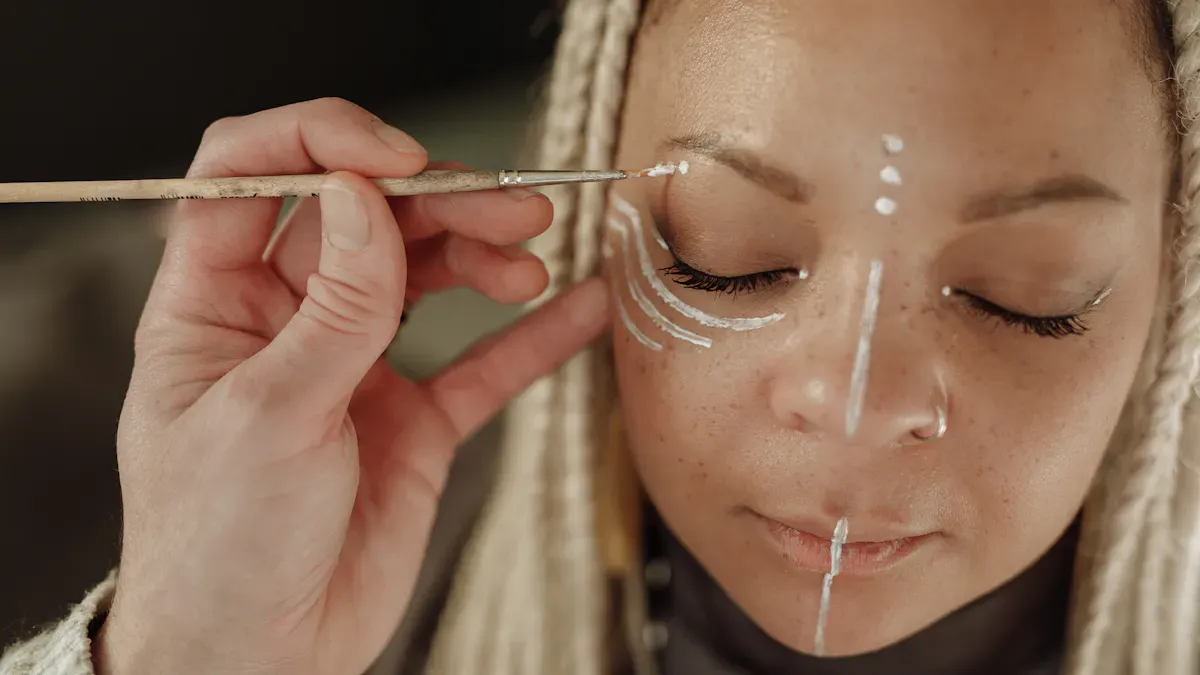
Surface Piercing Placement
Do you want to understand how a surface piercing is placed? The professional follows precise steps to ensure safety and success. Here are the main steps:
Disinfect the area to be pierced.
Mark the exit points with a sterile marker.
Check the alignment to ensure an aesthetic result.
Create the subcutaneous path using a hollow needle.
Immediately insert the surface jewelry.
Tip: You should always check that the professional uses sterile equipment and follows aseptic protocols.
Microdermal Placement
Placing a microdermal requires a different technique. You will notice that the piercer uses specific tools to ensure precision and limit risks:
Dermal punch: it pierces the skin cleanly and precisely.
Hollow needle: it is used to create space for the jewelry base.
Special pliers: they hold the titanium base during insertion.
The professional cleans and disinfects the skin, then marks the area. They position the client comfortably before proceeding with the placement.
Recommended Materials
The choice of materials directly influences the risk of rejection or allergy. You should prioritize high-quality materials:
G23 Titanium (Ti6Al4V ELI) ASTM F-136
316L Steel
14 or 18-karat Gold
Avoid jewelry containing nickel or other allergenic metals. These materials increase the risk of complications.
Piercing Type |
Average Price |
|---|---|
Surface |
€45 |
Microdermal |
€55 |
You will notice that the price varies depending on the type of jewelry chosen and the presence of rhinestones.
Rejection Risks
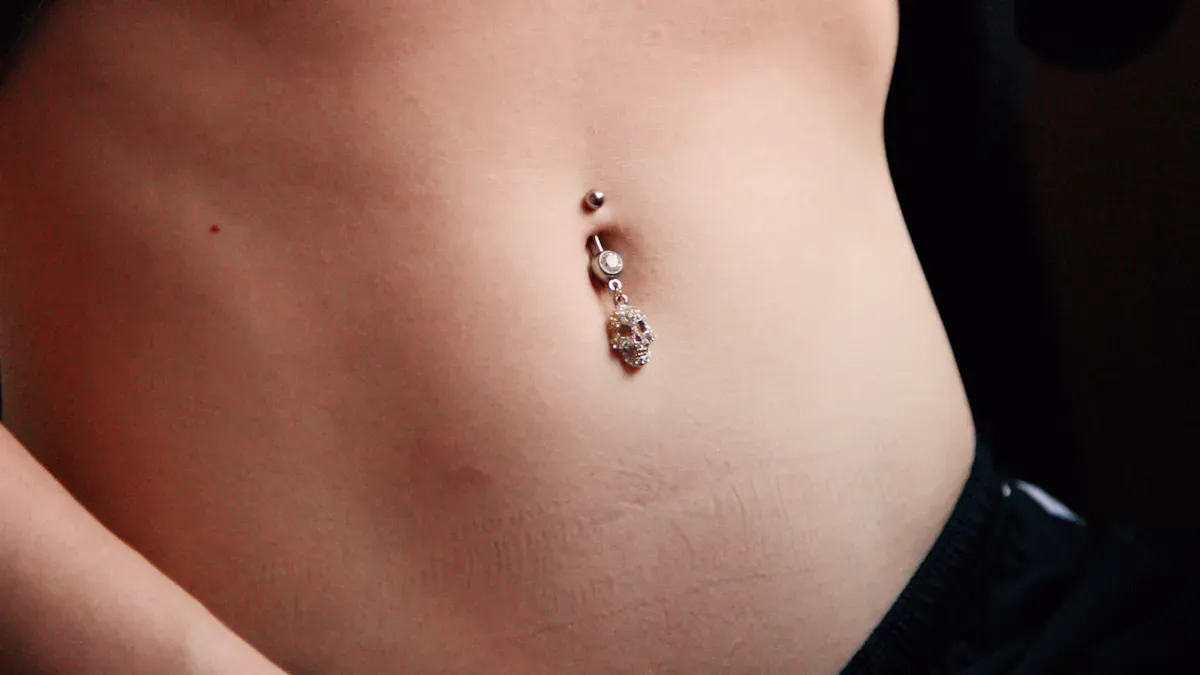
Surface Piercing Rejection
You should know that surface piercing has a high risk of rejection. Your body can consider the jewelry a foreign object. It then tries to gradually expel it. This phenomenon often appears in areas with high mobility or when the skin is under tension.
The average time before rejection of a surface piercing varies between 3 and 4 months. Sometimes, rejection occurs even more quickly.
When rejection begins, you will notice the jewelry migrating toward the surface. This can leave a visible scar. Complete healing can take up to 12 months. You should monitor the area to avoid complications.
Tip: If you notice persistent redness or pain, consult a professional quickly.
Microdermal Rejection
The microdermal has a different structure. You will notice that rejection remains rare, as there is no tension caused by a bar. However, the jewelry can migrate or be pushed out by your body, especially before the skin develops around the base.
The rejection of a microdermal almost never occurs before several years. This phenomenon happens when the skin shrinks over the plate, giving the impression that the body is rejecting the jewelry.
Temporary healing lasts between 1 and 2 months. Final healing extends over 6 to 9 months.
Piercing Type |
Healing Time |
|---|---|
Surface Piercing |
Up to 12 months |
Microdermal |
6 to 9 months (final), 1 to 2 months (temporary) |
Aggravating Factors
Several factors aggravate the risk of rejection for surface piercing and the microdermal:
The use of non-biocompatible materials, such as certain steels, causes skin reactions.
Jewelry that turns green indicates a reaction to poor-quality material.
Impacts caused by clothing, such as bras, irritate the piercing.
Sudden movements or friction during sleep cause irritation.
The use of products containing alcohol irritates the skin.
Cleaning the piercing only with water and pH-neutral soap limits irritation.
You should choose quality materials and adopt a suitable care routine to limit the risk of rejection. Avoid sudden movements and monitor the area to detect any sign of irritation.
Recognizing Rejection
Signs on Surface Piercing
You should monitor several signs to detect a surface piercing rejection. Your body can react quickly or slowly. Here are the most common signs to watch for:
Jewelry migrating toward the surface of the skin
Appearance of increasingly thin skin around the jewelry
Sensation of itching or constant discomfort
You may sometimes notice that the area becomes red or sensitive. A crust can form around the jewelry. If you see that the piercing bar becomes more visible, it often indicates that the skin no longer protects the jewelry enough.
Signs on the Microdermal
For the microdermal, the signs of rejection are different. You will notice that the base of the jewelry begins to protrude. The skin around the jewelry can become red or swollen. Sometimes, you may feel unusual pain or see clear discharge. If the jewelry head seems to sink or move, it may signal the beginning of rejection. You should remain attentive to any sudden change.
Tip: Take a regular photo of the area to compare the evolution. This helps you spot small changes.
When to Consult
You should consult a professional if you notice one or more of these signs. Do not wait for the situation to worsen. An expert can assess the severity and propose a suitable solution. If you notice an infection, such as pus, intense pain, or fever, consult quickly. Early follow-up limits scars and protects your health.
Never hesitate to ask your piercer or a healthcare professional for advice. Your vigilance remains the best protection against complications.
Limiting Rejection
Choosing a Qualified Professional
You should always choose an experienced piercer. A qualified professional knows the techniques suitable for each type of piercing. They use sterile equipment and follow hygiene rules. You can ask to see their portfolio or diplomas. A good piercer takes the time to explain each step to you. They answer all your questions. This way, you avoid placement errors that increase the risk of rejection.
Tip: Book an appointment in a reputable studio. Read reviews online and ask for recommendations from friends passionate about body art.
Suitable Care
You should follow a precise care routine after placement. Cleanse the area twice a day with a mild pH-neutral soap. Use a sterile gauze pad to dry the skin. Avoid touching the jewelry with dirty hands. Do not turn the jewelry unnecessarily. You should also avoid the pool, the sea, and the sauna during healing. Products based on alcohol or strong antiseptics irritate the skin.
Cleanse gently without rubbing.
Change your pillowcase regularly.
Wear loose clothing to limit friction.
Tip: Take a photo every week to monitor the healing progress.
Materials and Hygiene
The choice of materials influences the success of the piercing. You should prioritize G23 titanium, 316L steel, or 14/18-karat gold. These materials are biocompatible and reduce allergic reactions. Always ask the piercer what metal they use. Hygiene remains essential. The piercer must wear gloves and use sterile tools. At home, wash your hands before each care session.
Recommended Material |
Main Advantage |
|---|---|
G23 Titanium |
Hypoallergenic |
316L Steel |
Corrosion-resistant |
14/18-karat Gold |
Low allergy risk |
Don't forget: Good maintenance and quality materials greatly limit the risk of rejection.
You now understand the major differences between surface piercing and microdermal. Microdermals offer better viability and a very low risk of rejection. Surface piercings, on the other hand, have a shorter lifespan and a high risk of rejection.
Here is what you should remember:
Microdermal rejection remains rare, often after several years.
Surface piercings reject more easily, especially if you neglect maintenance.
Microdermal wearers report higher satisfaction.
Take the time to assess your expectations and choose the technique that matches your style and level of demand.
FAQ
What care should you provide after a surface piercing or microdermal?
You should cleanse the area twice a day with a mild soap. Use a sterile gauze pad to dry. Avoid touching the jewelry with dirty hands. Wear loose clothing to limit friction.
How long does healing take?
Surface piercing healing can take up to 12 months. A microdermal heals in 6 to 9 months. You should monitor the area throughout the entire period.
What materials should you choose to limit rejection?
Prioritize G23 titanium, 316L steel, or 14/18-karat gold. These materials are hypoallergenic and reduce the risk of reaction.
How to recognize the beginning of rejection?
You notice redness, pain, or jewelry migration. The skin becomes thin around the jewelry. Take a photo every week to track the evolution.
Can I change the jewelry after placement?
You must wait until it has completely healed before changing the jewelry. Always ask your piercer for advice to avoid complications.


