


Choosing a size that is right for your ear piercings is essential. An incorrect size can cause irritation or slow down healing. You should also think about aesthetics. A piece of jewelry that is too large or too small can throw off the overall look. By making an informed decision, you minimize risks and optimize your comfort.
Key Points
Choose a bar size that is right for your piercings. Lobes often use a 6 mm bar. Cartilage piercings sometimes require 8 mm or 10 mm.
Check the size of the rings carefully. A ring that is too small can hurt. A ring that is too large can slow down healing.
Ask a professional piercer for advice. They can help you choose the right size based on your body and your tastes.
Understanding Piercing Sizes
Bar Length: Definitions and Common Sizes (6 mm, 8 mm, 10 mm)
Bar length is a key factor to consider for your ear piercings. It determines the comfort and stability of the jewelry. Common sizes include 6 mm, 8 mm, and 10 mm. These dimensions accommodate different placements and body types.
Jewelry Type |
Thickness |
Length/Diameter |
|---|---|---|
Bar |
1.2 mm - 1.0 mm |
6 mm - 10 mm |
For lobes, a 6 mm bar is often ideal. It offers a perfect fit without excessive pressure. Cartilage piercings, such as helix or tragus, sometimes require a length of 8 mm or 10 mm to avoid rubbing. Choosing the right size ensures better healing and a harmonious aesthetic.
Ring Diameter: Measurement Method and Aesthetic Impact
The diameter of the rings directly influences the comfort and appearance of your piercings. To measure correctly, use a ruler or a specialized tool. Make sure the ring is neither too tight nor too loose.
A ring that is too small puts pressure on the skin, which can cause irritation.
A ring that is too large moves excessively, which can interfere with healing.
Choosing an appropriate diameter ensures comfort and improves aesthetics.
For lobes, mini-hoops with a diameter of 8 mm are very popular. They offer an elegant and minimalist style. Cartilage piercings, such as the conch, may require slightly larger rings for a bolder effect. Take your body type and preferences into account for an optimal choice.
Choosing the Ideal Size According to Placement
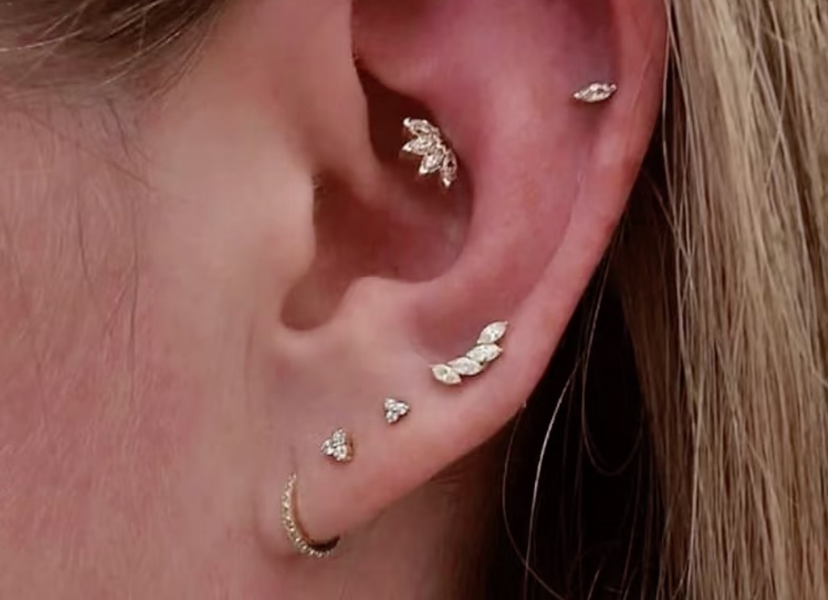
Lobes: Specific Recommendations and Suitable Styles
Lobes are the most common placement for ear piercings. They generally heal quickly, making them ideal for beginners. To choose the perfect size, you must take your body type and desired style into account.
Straight bars: A length of 6 mm often suits lobes. It ensures a comfortable fit without excessive pressure.
Rings: mini-hoops with a diameter of 8 mm are very popular. They offer a minimalist and elegant look.
If you prefer a bolder style, opt for slightly larger rings. However, make sure they are not too heavy to avoid stretching the lobe. Well-fitting jewelry guarantees not only a harmonious aesthetic but also optimal daily comfort.
Cartilage: Ideal Sizes for Helix, Rook, Conch, Tragus
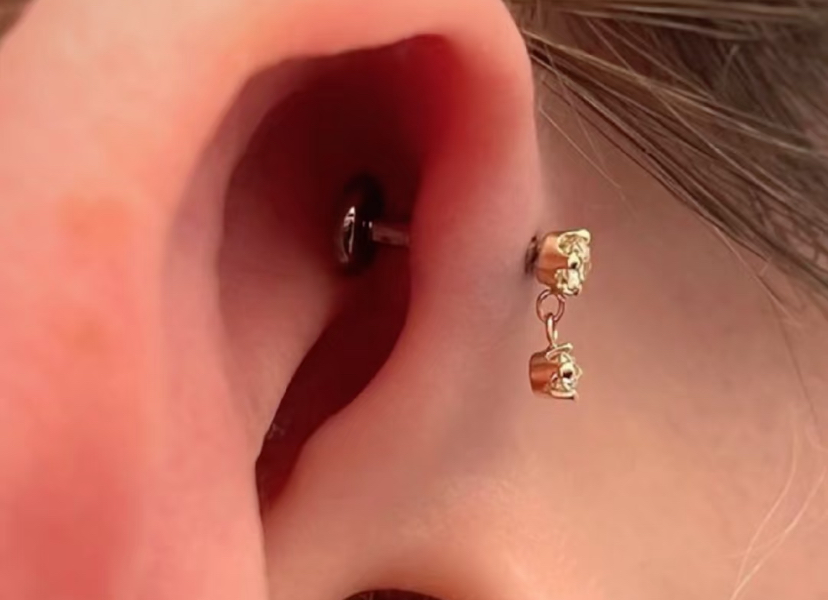
Cartilage piercings, such as helix, rook, conch, and tragus, require special attention when choosing the size. These areas are more sensitive, and their healing often takes longer than that of lobes.
Here are some recommendations for each type of piercing:
Helix: A straight 8 mm bar is ideal to avoid rubbing. For rings, a diameter of 8 to 10 mm is suitable depending on the thickness of your cartilage.
Rook: A 6 mm bar is often sufficient for this internal piercing. It offers a precise and comfortable fit.
Conch: Rings of 10 to 12 mm create a bold effect. If you prefer a bar, choose a length of 8 mm.
Tragus: A straight 6 mm bar fits this area well. For a ring, opt for a diameter of 6 to 8 mm.
Since every body is unique, a professional piercer will adjust these sizes according to your body type. Take the time to discuss it with them to ensure a suitable choice. Ill-fitting jewelry can slow down healing or cause irritation. By choosing the right size, you improve not only comfort but also the appearance of your ear piercings.
Practical Tips for an Optimal Choice
Adapting the Size to Individual Body Type
Every ear is unique. To choose the ideal size for your ear piercings, you must take your body type into account. Thicker lobes often require longer bars or rings with a wider diameter. Thinner cartilage, on the other hand, accommodates smaller and lighter jewelry better.
Take the time to observe the shape and thickness of your ear. If you have doubts, try temporary jewelry to assess comfort and appearance. Well-fitting jewelry reduces the risk of irritation and improves healing.
Tip: If you wear several piercings on the same ear, adapt the size of each piece of jewelry to create a harmonious visual balance.
Taking the Desired Aesthetic into Account
The choice of size for your piercings directly influences their appearance. Current trends show that minimalism is in vogue. Discreet piercings, such as mini-hoops or small bars, are increasingly popular. They offer an elegant and subtle style.
Minimalism is in vogue.
Discreet piercings are increasingly popular.
Innovative placements promote a subtle look.
If you prefer a bolder look, opt for larger rings or longer bars. Conch piercings, for example, can be enhanced with rings of 10 to 12 mm. Think about your personal style and the effect you want to achieve. A well-chosen piece of jewelry reflects your personality while highlighting your ear piercings.
Consult a Professional Piercer for a Safe Choice
A professional piercer is your best ally for choosing the ideal size. They have the necessary experience to assess your body type and advise you on the jewelry suitable for each placement. They can also adjust the size according to your aesthetic preferences and specific needs.
During your visit, ask questions about the available sizes and ask for recommendations. A qualified piercer will help you avoid common mistakes, such as choosing jewelry that is too tight or too heavy. By following their advice, you guarantee optimal comfort and successful healing.
Note: Always consult a professional before changing the size of your jewelry. This avoids complications and ensures a smooth transition.
Care and Healing
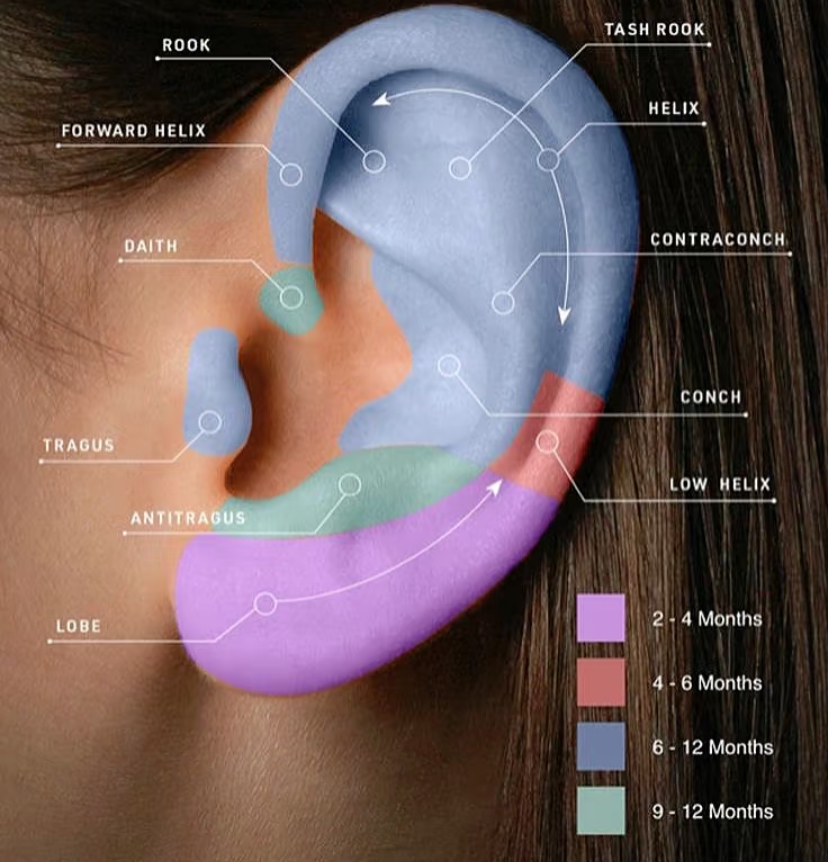
Essential Care for Lobe and Cartilage Piercings
Taking care of your piercings is crucial to avoid complications. You must clean the piercing twice a day with a mild saline solution. Avoid harsh products such as alcohol or scented soaps. Before touching your jewelry, wash your hands to prevent infections.
Swimming in pools or hot tubs should be avoided until complete healing. Sleeping on the pierced ear can slow down healing. If you notice redness, swelling, or persistent pain, consult a professional quickly. Healing times vary: the lobe heals in 4 to 8 weeks, while cartilage can take up to 9 months.
Tip: Follow the precautions after piercing to minimize the risks of infections and hypertrophic scars.
Recommended Materials to Minimize Risks
The choice of material for your jewelry directly influences the health of your piercing. Hypoallergenic materials such as titanium, surgical steel, and 925 silver are highly recommended. They reduce the risks of allergies and irritation.
14K or 18K gold and platinum are also safe and elegant options. If you prefer flexible materials, opt for Bioflex or Bioplast. These materials are ideal for sensitive skin and promote rapid healing.
Note: Avoid nickel jewelry or non-certified materials. They can cause allergic reactions.
Common Mistakes to Avoid During Healing
Certain mistakes can compromise the healing of your piercing. Do not remove the jewelry before complete healing. This can lead to premature closure of the hole. Avoid handling the piercing too often, as this increases the risk of infection.
Do not ignore signs of infection such as redness, discharge, or pain. Consult a professional as soon as you notice these symptoms. At-risk individuals, such as diabetics or those with autoimmune diseases, must be particularly vigilant.
Tip: Follow your piercer's recommendations to ensure optimal healing and avoid complications.
Choosing the right size for your ear piercings improves comfort and aesthetics. Each placement and body type requires special attention.
-
Key Steps Reminder:
Prioritize quality materials.
Consult a piercer for precise placement.
A well-chosen piece of jewelry reflects your personality while promoting optimal healing.
FAQ
What materials are safest for ear piercings?
Hypoallergenic materials such as titanium, surgical steel, and 14K gold minimize the risks of irritation. They promote rapid healing and reduce allergic reactions.
Tip: Avoid jewelry containing nickel to protect your skin.
How long does it take for a cartilage piercing to heal?
A cartilage piercing generally takes between 6 and 9 months to heal completely. During this period, clean it regularly and avoid handling it.
Can I change my jewelry before healing is complete?
No, it is preferable to wait for complete healing before changing your jewelry. This prevents infections and ensures optimal healing.
Tip: Consult a professional piercer before any change.


