


Want to take care of your tragus piercing? Adopt a strict care routine to avoid complications and speed up healing. Healing takes an average of 6 to 8 months. Be patient. Easily manage the pain by following professional advice. Consult a specialist if you have any doubts.
Key Points
Choose a qualified piercer to ensure a safe and hygienic procedure. Check their experience and customer reviews.
Adopt a daily cleaning routine with a saline solution to promote healing. Clean twice a day and always disinfect your hands before each treatment.
Be attentive to signs of infection such as redness or discharge. Consult a professional quickly if you notice worrying symptoms.
Preparing for Your Tragus Piercing
Choosing a Good Piercer
You must choose a qualified piercer for your tragus piercing. An experienced professional guarantees a safe and hygienic procedure. Here are the essential criteria to check:
Experience and qualifications: Ask the piercer if they have specific training and several years of experience. Read customer reviews and look at their portfolio.
Hygiene: The studio must be clean and comply with strict health standards. Check that the equipment is sterile and that the piercer uses gloves. Do not hesitate to ask questions about disinfection practices.
Tip: Take the time to visit several studios before deciding. You can also ask for advice from friends who have already had a tragus piercing.
Preparing Before the Session
Prepare yourself physically and mentally before the appointment. Good preparation helps reduce stress and promotes rapid healing.
Eat a balanced diet and avoid junk food. Spicy, crunchy, acidic foods or dairy products can irritate the pierced area or slow down healing.
Drink enough water, at least 3 liters a day. Hydration keeps your skin healthy and creates an environment conducive to healing.
Avoid alcohol, tobacco, and drugs before the session.
Get enough sleep the day before to be in good shape.
Manage your stress with simple techniques: deep breathing, meditation, or soothing music. Focus on positive thoughts.
Note: Take a few minutes to relax before the session. A calm attitude helps the piercer and makes the experience more pleasant.
Tragus Piercing Pain
What to Expect
You will probably feel pain during the tragus piercing. Many people find this pain more intense than that of a lobe piercing, because cartilage is denser. However, most people describe the sensation as bearable and very quick. You can expect discomfort or slight sensitivity for a few days after the session.
Cartilage makes the area more sensitive.
The pain remains brief.
The experience remains bearable for the majority.
Pain Factors
Several elements influence the intensity of the pain. You should know that each person reacts differently.
Your pain tolerance plays an important role.
Your expectations and confidence level influence your perception.
Stress can increase the sensation of pain.
The thickness of your cartilage changes the intensity.
The piercer's technique and the quality of the jewelry also matter.
The pain during a tragus piercing is generally classified as moderate, and most people describe the pain as brief, followed by slight sensitivity for a few days.
Relieving the Pain
You can adopt several methods to soothe the pain after the piercing.
Clean the area every day with a saline solution.
Apply an aloe vera balm to moisturize and soothe the skin.
Use hot water or ice compresses to reduce swelling.
Try natural remedies such as chamomile tea or cooled green tea.
Take care of your tragus piercing to promote rapid healing and limit discomfort.
Immediate Care After Piercing
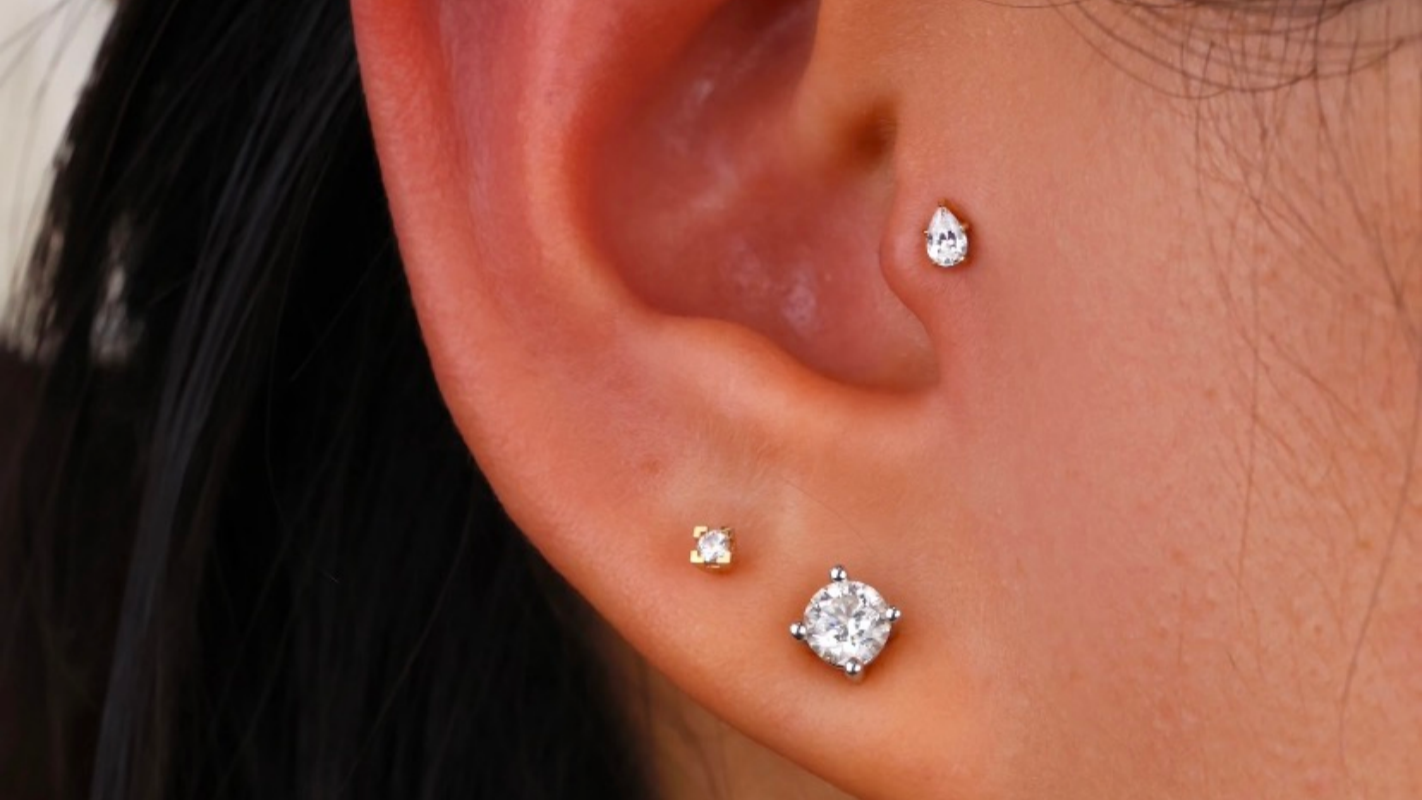
First 24 Hours
The first 24 hours after a tragus piercing are crucial to avoid infections and promote good healing. You must adopt simple and effective actions right after leaving the studio.
Do not touch your tragus piercing with your hands. Bacteria present on the skin can cause an infection.
Clean the area with a mild saline solution. Use a sterile compress to apply the solution around the jewelry without moving it.
Do not sleep on the pierced ear. Pressure can irritate the area and slow down healing.
Avoid snagging with clothes, hair, or accessories. A snag can cause sharp pain or move the jewelry.
Stay attentive to the slightest redness or abnormal swelling. If you notice yellow discharge or intense pain, consult a professional quickly.
Tip: Prepare your pillow to sleep on the opposite side and tie your hair back to limit the risk of snagging.
Gestures to Avoid
Certain gestures can compromise the healing of your tragus piercing. You must avoid them to limit the risk of infection or complications.
Never touch the piercing with dirty hands.
Do not press on the area and do not sleep on it.
Avoid wearing headphones or earphones on the pierced ear.
Do not let your clothes or hair snag on the jewelry.
Warn your hairdresser so they pay attention during cuts or styling.
Do not let hair products or makeup run onto the pierced area.
Avoid bumps or rubbing, even light ones, on the ear.
Tip: During the first few days, opt for easy-to-put-on clothes and avoid bulky accessories around the head.
By following these recommendations, you give yourself every chance for rapid and trouble-free healing of your tragus piercing.
Daily Cleaning
Suitable Products
You must choose mild products to clean your tragus piercing. Dermatologists recommend several options to avoid irritation and promote healthy healing:
Saline solutions: They clean the area without irritating the skin.
Mild cleansing gels: They respect the natural pH and do not dry out the skin.
Antibacterial solutions: They protect against infections, but you must avoid those that contain alcohol.
Tip: Always opt for sterile and fragrance-free products. This reduces the risk of allergy or reaction.
Good Practices
Adopt a simple and regular routine to keep your piercing clean. Professionals advise following these steps every day:
Gently clean the piercing twice a day, morning and evening.
Disinfect your hands before each handling.
Use a saline solution or a pH-neutral soap on a sterile compress.
Gently dab the hole and the jewelry, without rubbing.
Dry the area with a clean compress.
You must avoid certain gestures to preserve the health of your piercing:
Do not touch or play with the jewelry.
Avoid impacts, snags, and chemicals.
Do not put hair sprays or makeup on the area.
Do not swim in a pool or spa during the first month.
Tip: Stay attentive to any sign of irritation or redness. If you notice a problem, consult a professional quickly.
Managing Pain and Risks
Symptoms to Watch For
You must stay attentive to certain signs that can indicate a complication after a tragus piercing. Carefully monitor the following symptoms:
Abnormal redness that does not decrease or that spreads
Persistent or painful swelling
Pain that does not subside after a few days
Unusual heat sensation around the piercing
Thick, greenish, or foul-smelling secretions
If you notice one or more of these signs, it is important to act quickly to avoid an infection.
Solutions in Case of a Problem
In the face of a problem, adopt simple actions to limit risks and promote healing:
Clean the area twice a day with a suitable solution
Use a disinfectant the first week if necessary
Apply cold to soothe the swelling
Do not touch or play with the jewelry
Always wash your hands before touching your ear
Avoid pools, the sea, and damp places
Be careful of snags
Never remove the jewelry, even in case of infection
Stay vigilant: certain risks such as cartilage infection, hypertrophies, or keloids require special attention.
When to Consult
Certain signs should alert you and prompt you to consult a professional:
Persistent redness around the piercing
Throbbing pain or abnormal sensitivity after several weeks
Presence of discharge, pus, or blood
Unusual swelling
A professional will know how to assess the situation and offer you the appropriate treatment to preserve the health of your ear.
Changing the Tragus Piercing Jewelry
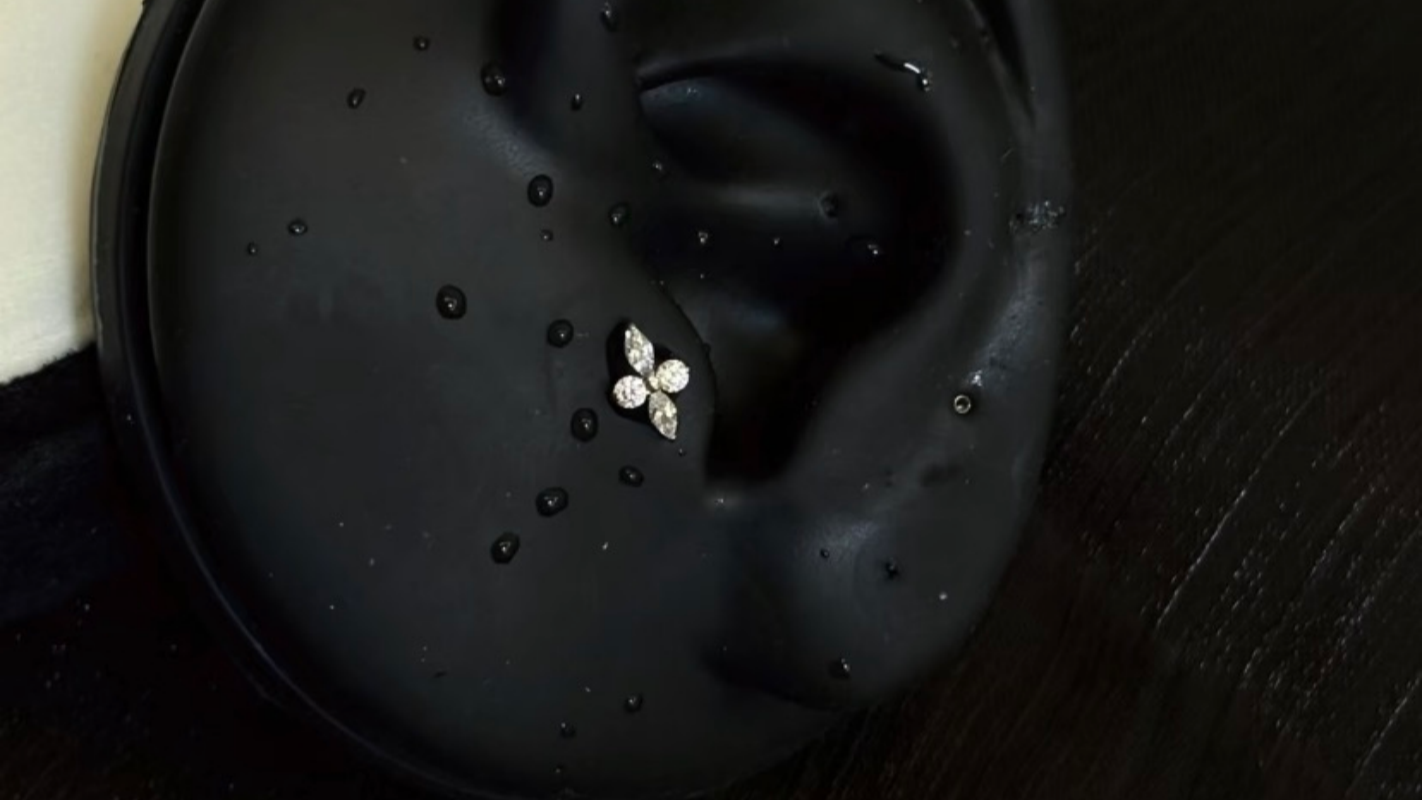
When to Change the Jewelry
You must wait before changing the jewelry of your tragus piercing. Specialists recommend following certain steps to avoid complications:
Wait at least 2 to 3 months before thinking about changing the jewelry.
Check that the area no longer shows redness or pain when touched.
Make sure there is no abnormal discharge.
Always ask your piercer for their opinion to confirm that healing is sufficient.
Changing too early can cause infections or delay healing.
Precautions to Take
Before changing the jewelry, you must take several precautions to protect your ear:
Wait for complete healing, which can take between 6 months and 1 year.
Wash your hands carefully before touching the jewelry.
Check for the absence of signs of irritation such as redness, swelling, or discharge.
To choose a new piece of jewelry, opt for hypoallergenic materials:
Titanium
Hypoallergenic alloys
Titanium is highly appreciated for its lightness and resistance. 14-karat gold or higher avoids nickel, often responsible for allergies. All these materials are biocompatible and limit allergic reactions.
Dermatologists recommend titanium because it reduces the risk of allergy, contains little nickel, and resists corrosion.
Call a Professional
For the first jewelry change, consult a professional. You benefit from several advantages:
The piercer checks the stability of the cartilage.
They adjust the length of the jewelry if necessary.
You avoid complications and ensure safe handling.
A professional helps you keep your tragus piercing healthy and enjoy your new jewelry without risk.
To properly heal your tragus piercing, adopt a regular routine.
Clean the area twice a day with a sterile saline solution.
Always wash your hands before each treatment.
Opt for hypoallergenic jewelry and respect the healing times.
In case of doubt, consult a professional quickly.
FAQ
How long does it take for a tragus piercing to heal?
You must wait between 6 and 8 months for complete healing. Patience remains essential to avoid complications.
Can I go to the pool with a recent tragus piercing?
You must avoid the pool during the first month. Water can contain bacteria and slow down healing.
What jewelry to choose to avoid allergies?
You can choose titanium or 14-karat gold. These materials limit the risk of allergy and protect your skin.


