


You want to keep your jewelry as beautiful as the day you got it. Each material requires special care. Silver, gold plating, and stainless steel react differently to air, water, and everyday products. Proper jewelry care prevents oxidation, loss of shine, and premature wear. With a few simple steps, you can extend the life of your favorite accessories. 💍
Key Points
Clean your jewelry regularly according to the material to prevent tarnishing and premature wear.
Protect your jewelry by avoiding water, chemicals, and friction, which can damage metals and plating.
Use gentle methods such as baking soda, non-abrasive toothpaste, or soapy water to clean without causing damage.
Always store your jewelry in a dry place, away from light, and keep pieces separate to prevent scratches and oxidation.
Consult a professional for jewelry that is severely damaged, fragile, or valuable to ensure safe cleaning and repair.
Caring for Silver Jewelry
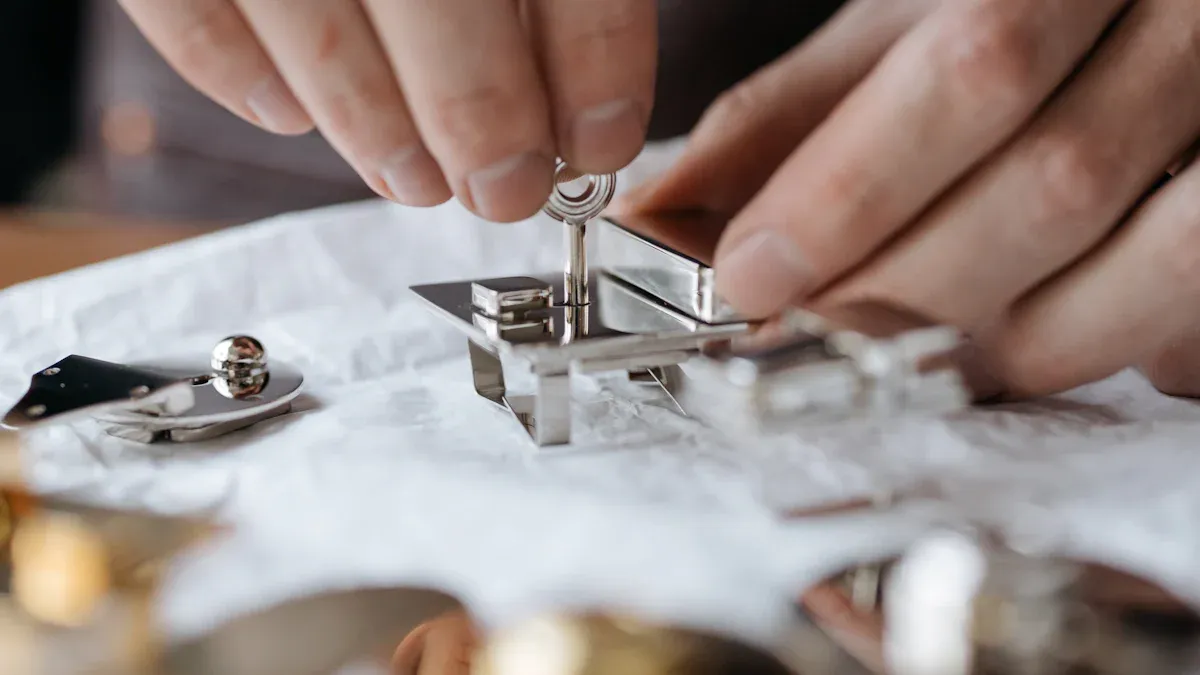
Recommended Frequency
You should clean your silver jewelry at least twice a year to prevent it from tarnishing. If you wear your jewelry often, you can clean it every two to three weeks. This simple routine helps maintain its shine and prevent oxidation. Jewelry experts recommend adjusting the frequency based on how often each piece is worn.
Precautions to Take
To protect your silver jewelry, you should follow a few important rules:
Do not wear your jewelry in the shower, at the pool, at the beach, or in the sauna. Water and moisture accelerate tarnishing.
Remove your jewelry before exercising. Sweat promotes oxidation.
Avoid wearing your jewelry while cleaning, gardening, or doing home improvement projects. Chemicals and impacts can damage silver.
Always store your jewelry in a cool, dry place away from direct light. Use a tarnish-resistant pouch or a fabric-lined box.
Do not let your jewelry come into contact with beauty products, perfumes, lotions, or household products such as bleach or ammonia.
Tip: Place a small packet of silica gel in your jewelry box to absorb moisture and protect the silver.
Cleaning Methods
You can clean your silver jewelry using simple and effective methods:
Use non-abrasive toothpaste and a soft toothbrush. Rub gently, then rinse with clean water and dry with a soft cloth. This method produces immediate results.
Prepare a solution of baking soda diluted in warm water. Apply it with a toothbrush, then rinse and dry.
For a deep clean, mix baking soda, aluminum foil, and white vinegar. Submerge your jewelry for a few minutes, then rinse and dry.
You can also use professional products specially designed for caring for silver jewelry.
Caution: If your jewelry has stones or delicate ornaments, clean it carefully to avoid damaging them.
Everyday Tips
To preserve the shine of your silver jewelry every day, adopt good habits:
Keep your silver jewelry separate from other metals to prevent scratches and tarnishing.
Store it in individual pouches or anti-oxidation plastic bags.
Clean your jewelry box regularly to prevent dust and residue buildup.
Change your jewelry according to the seasons to limit wear.
Always remove your jewelry before applying perfume or cream, or washing your hands.
Caring for your silver jewelry every day preserves its beauty and extends its life. Proper jewelry care starts with these simple steps.
Gold-Plated Jewelry
Cleaning Frequency
You should clean your gold-plated jewelry two to three times a year. If you wear it often, a light cleaning every two months helps preserve its shine. Regular care prevents the thin layer of gold from being damaged or tarnishing too quickly.
Usage Precautions
Gold plating remains delicate. To prevent premature wear, always remove your jewelry before washing your hands, showering, or going to the pool. Water, soap, and chlorine can damage the gold layer. Store your jewelry in a soft pouch, separate from other metals to prevent scratches. Avoid contact with perfumes, lotions, and chemicals.
Tip: Put on your jewelry last, after applying your perfume or cream, to limit contact with cosmetic products.
Gentle Cleaning
You can clean your gold-plated jewelry using simple and safe methods. Here is how:
Prepare a bowl of warm water with a little Marseille soap or dish soap.
Submerge your jewelry for a few minutes.
Use a soft toothbrush to gently rub each piece of jewelry.
Rinse with clean water and dry with a soft cloth.
To restore the shine, apply a little non-abrasive white toothpaste to a soft brush, rub gently, then rinse and dry.
These steps allow you to clean effectively without damaging the gold layer. Never use abrasive products or prolonged soaking.
Plating Tips
To extend the life of the plating, adopt good habits:
Always store your jewelry away from moisture and light.
Clean it gently and avoid repeated friction.
Alternate wearing your jewelry to limit wear on the plating.
If the plating fades, call a professional for replating.
Caring for gold-plated jewelry requires delicacy. With these tips, you will keep your accessories shiny for longer.
Caring for Stainless Steel Jewelry
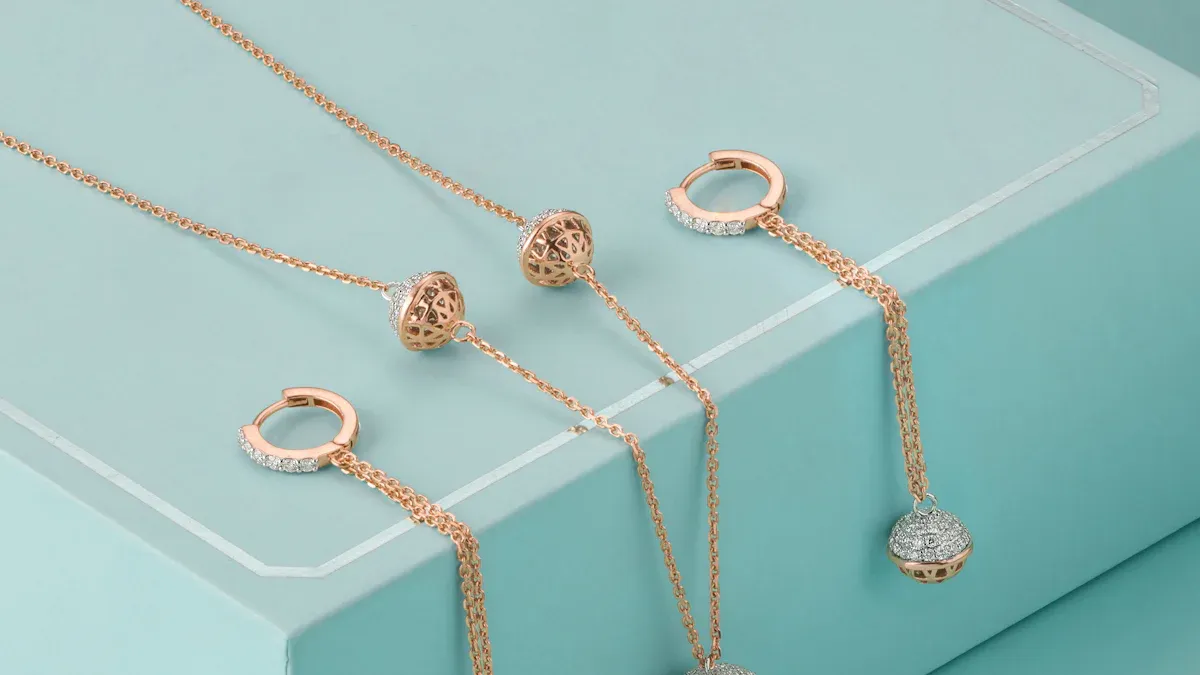
Material Benefits
Stainless steel has many advantages for your jewelry. This metal resists corrosion, rust, and scratches. You can wear your stainless steel jewelry every day without worrying that it will quickly become damaged. This material retains its color and shine longer than many other metals. It almost never causes allergies. You are therefore choosing a durable ally to complement your everyday style.
Simple Cleaning
Caring for stainless steel jewelry remains easy. You do not need expensive products. For regular cleaning, prepare a bowl of warm water with a little mild soap. Dip a soft cloth into the solution, then gently rub your jewelry. Use a soft toothbrush for hard-to-reach crevices. Rinse with warm water and dry thoroughly with a clean cloth. If you want a more intensive cleaning, you can use baking soda or toothpaste. Rub gently in circular motions, then rinse and dry. You can also use diluted white vinegar, but test it on a small area first.
Tip: Avoid contact with chlorine, harsh detergents, and perfumes. Remove your jewelry before swimming or cleaning.
Maintaining Shine
To keep your stainless steel jewelry shiny, adopt a few simple steps:
Always dry your jewelry after cleaning to prevent moisture buildup.
Store it in a dry place away from dust, in a pouch or case.
Avoid wearing your jewelry at the beach or in the shower.
To restore the shine, apply a little olive oil to a cloth and rub gently.
Proper care for stainless steel jewelry preserves its beauty and extends its life. This allows you to enjoy its shine for a long time without effort.
Professional Cleaning
When to Consult an Expert
You can care for your jewelry at home, but some situations require professional help. You should consult an expert if you notice:
Jewelry that is very tarnished or blackened despite several cleanings.
Precious stones that appear loose or are at risk of falling out.
Damaged prongs or clasps.
Antique jewelry or pieces of great sentimental value.
Deep scratches or deformations.
A professional has the right tools and products for each type of jewelry. They know how to handle delicate pieces without damaging them. This helps you avoid worsening the damage or losing a precious stone.
💡 Tip: If you are unsure about cleaning a rare or antique piece of jewelry, always ask an expert for their opinion before proceeding.
Benefits of a Professional Service
Hiring a professional service offers several advantages for your jewelry:
Deep cleaning: An expert uses ultrasonic machines or special baths. Your jewelry regains its original shine.
Precise repairs: A professional can tighten a stone, repair a clasp, or straighten a bent ring.
Personalized advice: You receive recommendations tailored to each material and piece of jewelry.
Preservation of value: Professional care protects the value of your jewelry, especially for antique or valuable pieces.
Professional cleaning guarantees the safety and beauty of your jewelry. You are investing in its longevity and avoiding unpleasant surprises.
Do not hesitate to consult an expert at the slightest doubt. Your jewelry deserves the best care to shine for a long time.
Take care of your jewelry with care that is suited to each material. You will preserve its shine and extend its life by following these simple tips. Do not hesitate to consult a professional for valuable or delicate pieces. This will ensure your accessories remain beautiful for a long time.
Proper care starts with small, regular steps. Your jewelry will thank you!
FAQ
How can I prevent my silver jewelry from tarnishing quickly?
Store your jewelry in a closed box, away from moisture. Wear it often to limit oxidation. Avoid contact with water, perfumes, and chemicals. Clean it regularly with a soft cloth.
Can I wear my gold-plated jewelry in the shower?
No, you must remove your gold-plated jewelry before showering. Water, soap, and shampoo damage the gold layer. This helps preserve its shine for longer.
Can stainless steel rust?
Stainless steel is highly resistant to rust. You can wear it every day. However, avoid chlorine and salt water to preserve its shine.
What should I do if my jewelry has lost its shine?
Use a soft cloth to polish it. If the jewelry remains dull, clean it using a method suited to its material. If you do not see any results, consult a professional.


