


Do you notice swelling after a new piercing? Don't worry, this is common. About 20% of body piercings experience swelling due to infection. Infectious complications occur in 10 to 25% of cases, and nearly half of the reported problems are infections. You need to know how to recognize normal signs and stay vigilant without worrying unnecessarily. Sleeping with a piercing also requires some precautions to avoid irritation.
Key Points
Slight swelling and moderate redness are normal after a piercing. Stay calm and monitor the situation during the first few days.
Use a piercing pillow when you sleep. This reduces pressure on the pierced area and promotes better healing.
Monitor your piercing daily. Take photos to compare and detect any worrying changes.
Avoid touching your piercing with dirty hands. Keep the area clean to prevent infections.
Consult a professional if you notice signs of infection, such as intense pain or abnormal discharge.
Normal reaction after a piercing
Expected symptoms
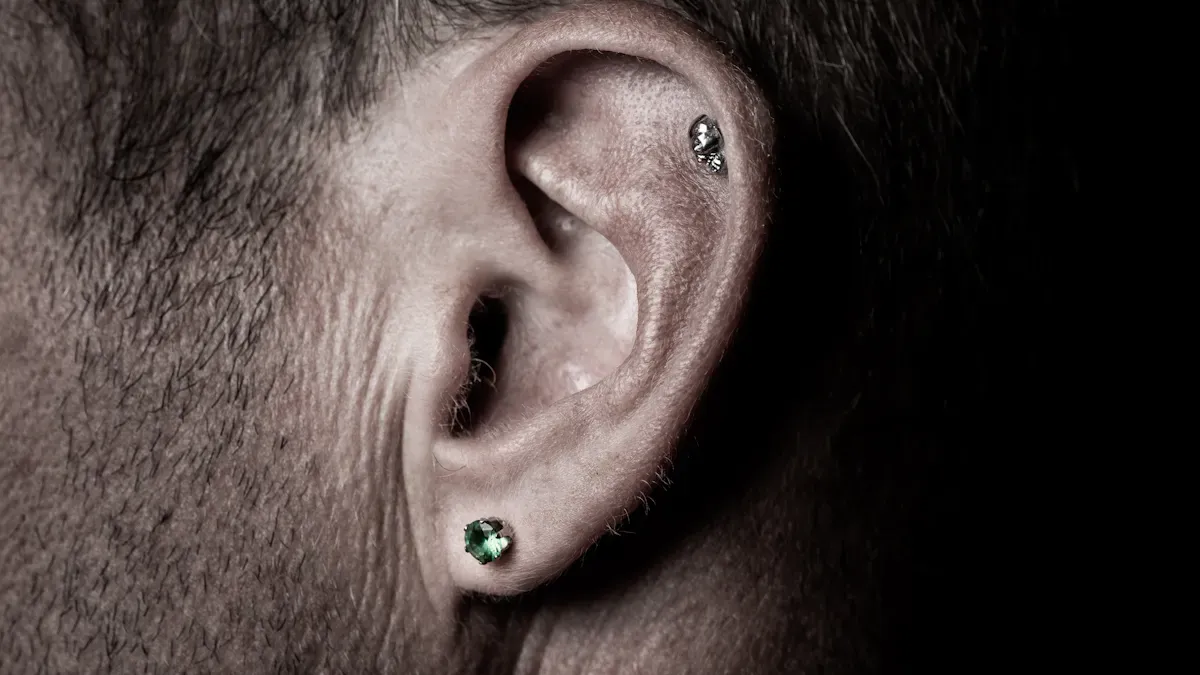
When you get a piercing, your body reacts naturally. You may notice some signs that are completely normal in the first few days. Here is what you may observe:
Slight swelling around the piercing
Moderate redness in the pierced area
A local sensation of heat
Clear discharge or the formation of small scabs
These reactions show that your body is starting to heal. You should not worry if you see slight redness or moderate swelling during the first 48 hours. Healthcare professionals consider these symptoms a normal response to the placement of the jewelry. Thin scabs forming around the hole are also common. They protect the wound and are part of the healing process.
💡 Tip: If you notice clear discharge, it is often plasma. This fluid helps clean the wound and promotes healing.
Duration of swelling
Swelling does not always last long. Generally, it starts right after the piercing and gradually subsides. The duration depends on several factors:
Hygiene: You must keep the area clean to prevent infections.
Type of jewelry: Hypoallergenic materials such as stainless steel or titanium facilitate healing.
Health conditions: If you have health problems, healing may take longer.
Post-piercing care: Regular and appropriate cleaning helps limit swelling.
Some types of piercings carry a higher risk of swelling or infection. Belly button, tongue, nose, and ear cartilage piercings are more exposed. These areas are often in contact with bacteria or damp environments. You must therefore be even more vigilant about hygiene.
Here is a table summarizing the average healing times according to the pierced area:
Piercing type |
|
|---|---|
Nostril |
2 to 6 months |
Tongue |
1 to 5 weeks |
Ear lobe |
2 to 3 months |
Ear cartilage |
4 to 7 months |
Lip |
2 months |
Belly button |
6 to 12 months |
Nipple and intimate areas |
6 to 12 months |
Slight swelling often disappears after a few days, but complete healing takes longer. You must continue to monitor the area and follow the care instructions to avoid complications.
📝 To remember: Do not touch your piercing with dirty hands and limit handling. Apply cold compresses if necessary, but avoid disinfecting too often so as not to irritate the skin.
Sleeping with a piercing: tips and precautions
Risks related to sleeping position
Sleeping with a piercing requires special attention to your sleeping position. If you sleep on the pierced area, you risk irritating the skin and slowing healing. Experts recommend avoiding sleeping on your stomach or on the side of the piercing. Constant pressure on the jewelry can cause pain, displace the jewelry, or even lead to infection. Here is what you need to remember:
Avoid sleeping on the pierced area to limit irritation.
Prefer sleeping on your back or on the other side.
Do not wear tight clothing that could rub against the piercing.
Usefulness of a piercing pillow
The piercing pillow proves very useful for those who want to sleep well with a piercing. This special pillow allows you to elevate the ear or the pierced area, which reduces friction and pressure during the night. By minimizing unwanted contact, you help the skin heal faster and you reduce the risk of irritation or infection. Many people choose a piercing pillow to sleep comfortably, especially after a cartilage or ear piercing. For better tolerance, prefer hypoallergenic materials such as titanium or surgical steel.
Tips to avoid irritation at night
To sleep well with a piercing and avoid complications, follow these simple tips:
Clean and dry your piercing well before going to bed.
Do not sleep on the piercing during the entire healing period.
Use a suitable pillow to support your head and avoid friction.
Choose hypoallergenic jewelry and avoid clasps that could sink into the skin.
Maintain good sleep quality, because poor sleep can slow healing.
💤 A good night's sleep promotes healing and reduces the risk of inflammation. Take care of your position and your environment to protect your piercing every night.
Recognizing an early infection
Symptoms to monitor
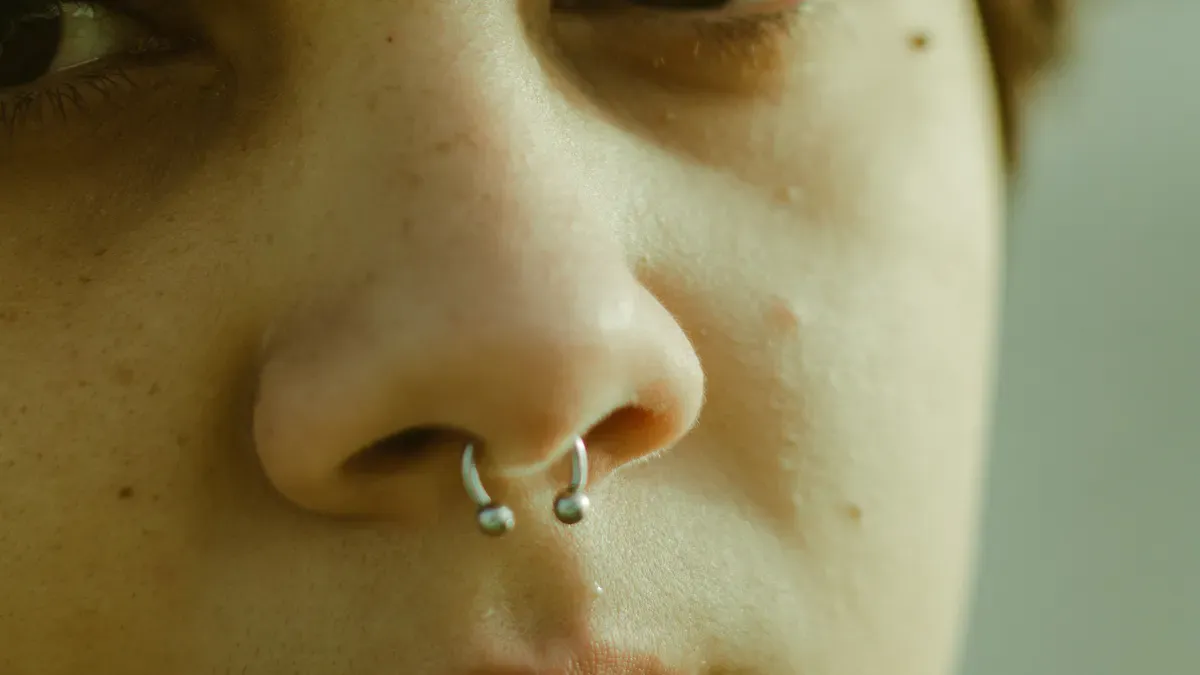
You must monitor your piercing every day, especially during the first week. Some signs show that infection is starting to set in. Here are the warning symptoms not to ignore:
Significant and hard swelling, which does not decrease after a few days
Sharp or throbbing pain, which intensifies instead of subsiding
Redness that extends beyond the edges of the piercing
Thick, yellowish or greenish discharge, sometimes foul-smelling
Intense sensation of heat around the pierced area
Appearance of fever or swollen lymph nodes near the piercing
⚠️ Warning: If you notice one or more of these signs, you must remain vigilant. Dermatologists remind that swelling can become very pronounced, the skin may feel burning, and pus can have a green color or an unpleasant odor.
The first signs of infection often appear 3 to 7 days after. If redness, swelling, or pain persist beyond a week, you should consult a healthcare professional.
Differences with simple irritation
It is sometimes difficult to tell the difference between normal irritation and an early infection. You can use this list to help you:
-
Slight sensitivity around the piercing
Localized inflammation, without spreading
Moderate redness and slight swelling
Absence of intense pain or thick pus
-
Early infection:
Increasing and persistent pain
Hard, hot, and widespread swelling
Redness that extends well beyond the pierced area
Thick, foul-smelling, sometimes greenish discharge
💡 Tip: Simple irritation remains localized and improves with care. An infection worsens, spreads, and causes more pronounced symptoms.
Allergic reactions can also resemble an infection. Allergies often cause itching, swelling, and thick yellow discharge, similar to honey. If you experience significant itching or if the fluid is golden yellow, think about an allergy to the metal of the jewelry.
When to worry?
You should worry and consult quickly if:
Symptoms worsen after 7 days
The pain becomes unbearable
You notice thick pus or a strong odor
You have a fever or swollen lymph nodes
The swelling takes the shape of a “cauliflower ear” or deforms the area
🩺 Do not hesitate to consult a professional if you have the slightest doubt. A doctor or experienced piercer can help you differentiate an infection from simple irritation or an allergy. The sooner you act, the more you avoid complications.
Monitor your piercing carefully every day. Take photos to compare the evolution. If you notice a sudden or worrying change, ask for advice without delay.
Monitor and react in case of doubt
Daily self-monitoring
You must monitor your piercing every day to quickly detect any problem. Taking photos regularly helps you compare the evolution of the pierced area. This allows you to see if the swelling, redness, or scab changes appearance. Here are some simple steps to adopt:
Always wash your hands before touching your jewelry.
Clean the area morning and evening with a saline solution.
Rinse your mouth with clear water after each meal if your piercing is in your mouth.
Avoid using irritating products around the jewelry.
If you feel persistent discomfort, monitor for the appearance of irritation.
By following these tips, you limit the risks of infection and promote good healing.
When to consult a professional
Some signs should alert you and prompt you to quickly consult a healthcare professional. Do not wait if you notice:
An infection that does not disappear despite care.
An infection that spreads around the piercing.
The appearance of fever.
A professional can assess the situation and give you the appropriate care. It is better to ask for advice early to avoid more serious complications.
Gestures to avoid
During healing, some gestures are not recommended because they increase the risks of irritation or infection. Be careful not to:
Clean with alcohol-based solutions.
Remove the scabs that form naturally.
Wear clothes that are too tight over the pierced area.
Go to the pool or the beach, because moisture promotes bacteria.
Common mistakes such as insufficient or inappropriate care can lead to pain, bleeding, allergic reactions or serious infections. Stay vigilant, especially at night. Sleeping with a piercing requires special attention to avoid rubbing or irritating the area during your sleep.
You must clearly differentiate a normal reaction from an infection. The signs to monitor are:
Widespread redness
Pronounced swelling
Abnormal discharge
Stay attentive to your body. Clean the area twice a day and choose hypoallergenic jewelry. For the night, adopt a piercing pillow. This pillow avoids pressure and promotes healing. If you notice inflammation or doubt, quickly consult a healthcare professional.
FAQ
How long can piercing swelling last?
Slight swelling often disappears after 2 to 5 days. If the swelling persists or worsens after a week, consult a professional. Monitor the evolution carefully every day.
Can I exercise after a new piercing?
You can resume a gentle activity after 24 to 48 hours. Avoid contact sports or swimming during healing. Always protect the pierced area.
Should I turn my jewelry during healing?
No, you should not turn the jewelry. Leave it in place to avoid irritating the skin or introducing bacteria. Clean around the jewelry without handling it.
What to do if my piercing itches?
Slight itching is normal. If the sensation becomes intense or is accompanied by redness, think about an allergy or irritation. Change for a hypoallergenic piece of jewelry if necessary.


