

You may notice that keloids after a piercing mainly affect young people between 10 and 30 years old. If you have black or dark skin, or if you are of Hispanic or Asian origin, the risk increases. This type of scar forms when the scar tissue reacts excessively. You can act quickly to limit their appearance and protect your skin. If you notice an abnormality, medical follow-up remains essential to avoid complications.
Key Points
Keloids form when the scar tissue reacts excessively after a piercing. Stay vigilant for signs such as a raised or continuously growing scar.
Choose titanium or 18k gold jewelry to reduce the risk of keloids. Avoid irritating materials such as nickel.
Maintain strict hygiene after the piercing. Cleanse the area twice a day with gentle products to prevent infections.
Consult a healthcare professional if you notice persistent pain or inflammation. Medical follow-up helps prevent complications.
Act quickly if you notice a keloid. Cleanse the area and avoid touching the scar. Take photos to monitor its development.
Understanding Keloids After a Piercing
Definition and Characteristics
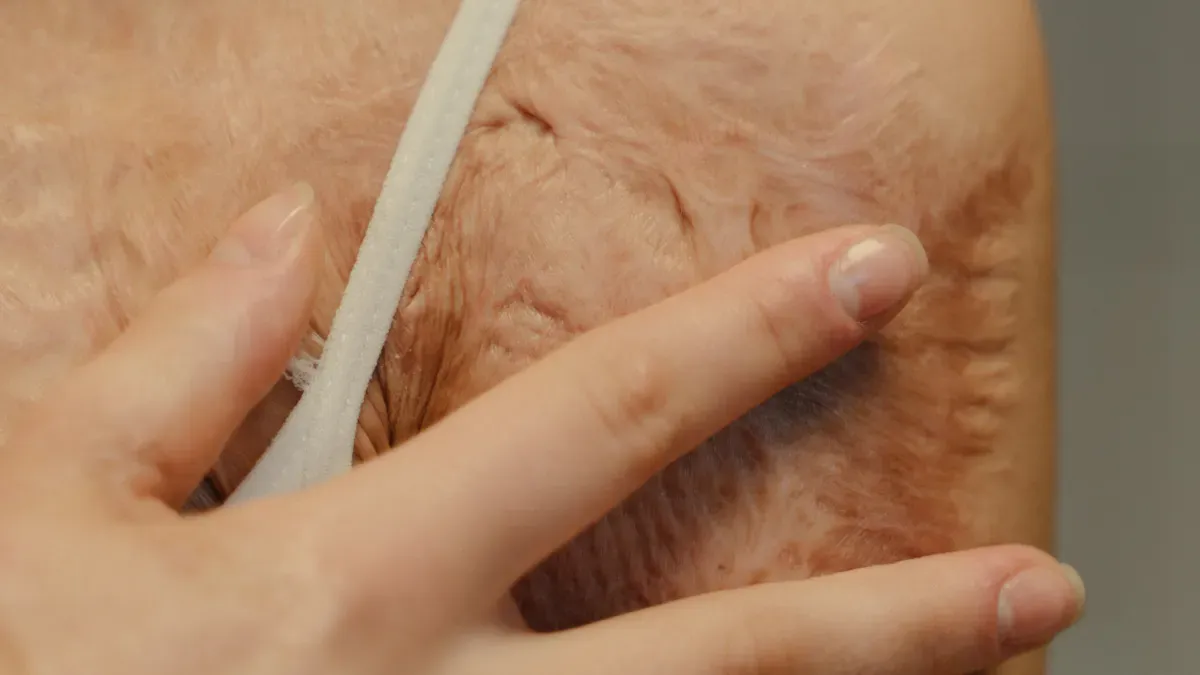
When you get a piercing, your body reacts to repair the skin. Sometimes, this repair becomes excessive, and a keloid may appear. A keloid is an abnormal scar that forms after an injury, such as a piercing. It continues to grow even after the wound has healed. You can recognize it by several signs:
It extends well beyond the edges of the piercing.
Its color ranges from pale pink to dark brown.
It has more or less significant thickness.
You may experience itching or mild to moderate pain.
Keloids after a piercing can also have a psychological impact. Many people experience a drop in self-esteem or anxiety, especially if the scar is very visible.
Causes and Risk Factors
You do not develop a keloid by chance. Several factors increase the risk, especially after a piercing:
Genetic predisposition: If someone in your family has had a keloid, you are more likely to have one.
Dark skin: People with black, mixed-race, or Asian skin are more affected.
Piercing location: The ears, neck, shoulders, and sternum are high-risk areas.
Repeated injuries: An ill-fitting piece of jewelry or repeated impacts on the piercing promote the formation of keloids.
Type of injury: Deep cuts, burns, or injuries caused by a piercing can trigger this type of scar.
Tip: The genitals, palms, soles of the feet, and mucous membranes rarely develop keloids after a piercing.
Difference with Hypertrophic Scarring
It is easy to confuse a keloid with a hypertrophic scar, but you can distinguish them using certain criteria:
A keloid always extends beyond the boundaries of the initial wound, while a hypertrophic scar remains confined to the piercing area.
A keloid continues to grow uncontrollably, even after healing. A hypertrophic scar, on the other hand, stabilizes and may even fade after 18 to 24 months.
The appearance of a keloid is often more swollen and tumor-like, while a hypertrophic scar is less prominent.
Keloids sometimes invade the healthy skin around the piercing, which does not happen with a hypertrophic scar.
If you notice a scar that extends beyond the piercing and continues to grow, it is probably a keloid. A scar that remains in the piercing area and improves over time is more likely to be a hypertrophic scar.
Recognizing the Signs of a Keloid
Symptoms to Watch For
You must stay alert to the first signs that may indicate the formation of a keloid after a piercing. Dermatologists explain that some symptoms often appear within the first few weeks, but sometimes several months after the procedure. Here is what you may notice:
A raised and smooth shape to the touch around the piercing.
A color that varies: pink, red, or darker than your skin.
Slow but continuous growth of the affected area.
Frequent itching, sometimes accompanied by pain when touched.
A feeling of tension on the skin, especially if the piercing is located on a mobile area such as the shoulder or neck.
You may also notice that the keloid extends beyond the piercing area and does not flatten over time. Sometimes, the scar remains active for several months. If you notice raised, red, or pink skin, or if you experience persistent itching, you must monitor its development.
Note: Keloids after a piercing can continue to grow long after the initial healing. They do not disappear spontaneously.
When to Consult
You should consult a healthcare professional if you notice certain signs that persist or worsen. Here are the situations that should alert you:
Excessive inflammation or redness that does not subside.
No improvement despite regular care.
Presence of pus or unusual discharge.
Rapid increase in the size of the scar.
Itching that does not go away.
Do not wait for the situation to worsen. Medical follow-up helps prevent complications and adapt the treatment. Specialists recommend consulting as soon as the scar continues to grow or remains highly active several months after the piercing. This protects your skin and limits the risk of complications.
Preventing Keloids After a Piercing
Choosing Jewelry
The choice of jewelry plays an important role in preventing keloids after a piercing. You should prioritize safe materials that are suitable for your skin. Experts recommend ASTM F136 titanium jewelry. This material is biocompatible and hypoallergenic, which limits the risk of irritation. Titanium does not contain nickel, a metal often responsible for allergic reactions. You can also choose 18k gold jewelry, which carries a low risk of reaction.
ASTM F136 titanium jewelry: very well tolerated by the skin
18k gold jewelry: suitable for limiting reactions
Avoid costume jewelry or jewelry containing nickel
Tip: Quality jewelry reduces the risk of complications and promotes proper healing.
Post-Piercing Care
You should adopt simple steps to protect your skin after a piercing. Hygiene remains essential to prevent infections, which can promote the appearance of keloids after a piercing. Cleanse the area with a saline solution or a product recommended by your piercer. Handle the jewelry with clean hands. Always choose suitable jewelry to limit adverse reactions. Manage pressure on the piercing area: avoid sleeping on it or wearing tight clothing that presses against the area.
Cleanse the area twice a day
Use gentle, alcohol-free products
Do not touch the piercing without washing your hands
Protect the area from impacts and friction
Errors to Avoid
Certain errors increase the risk of keloids after a piercing. You should avoid changing the jewelry too early or using harsh products such as alcohol or peroxide. Do not pick at the scab that forms. Do not apply cream without medical advice. Also avoid piercing an area already affected by a keloid.
Note: If you notice an unusual reaction, consult a professional quickly to limit the risk of scarring.
Treating a Keloid After a Piercing
First Steps
When you notice a keloid after a piercing, you must act quickly. Avoid touching or picking at the area. Cleanse the skin with a gentle saline solution. Remove any harsh products such as alcohol or peroxide. Keep the area clean and dry. Avoid any pressure or friction on the jewelry. Never remove the jewelry without medical advice, as this can worsen the scar. Monitor the development of the keloid and note any change in size, color, or sensation.
Tip: Take regular photos to monitor the development of the scar. This helps the healthcare professional adapt the treatment.
Home Treatments
Some natural treatments may help soothe the skin and limit the progression of the keloid. You can try several solutions, always after medical advice:
Aloe vera gel: Apply a thin layer to moisturize and soothe the skin.
Rosehip oil: Gently massage the area to stimulate cell regeneration.
Honey: Apply a small amount to benefit from its antibacterial and healing properties.
Lavender oil: Use a few drops to reduce inflammation.
Vitamin E: Apply a cream or oil to promote tissue repair.
Use these products regularly, but stay alert to any allergic reaction. If you notice redness or irritation, stop the treatment and consult a professional.
Tip: Natural treatments can improve comfort, but they do not replace medical advice for keloids after a piercing.
Medical Options
If the keloid does not recede or continues to grow, consult a dermatologist. Several treatments exist to reduce the size or appearance of the scar. The doctor may offer:
Corticosteroid injections: They reduce inflammation and flatten the keloid.
Cryotherapy: Intense cold destroys the scar tissue.
Laser: It improves the texture and color of the skin.
Surgery: For large keloids, the doctor removes the scar. This procedure is often combined with corticosteroid injections or radiotherapy to limit the risk of recurrence.
Compression or silicone dressings: They apply continuous pressure to flatten the keloid.
You should know that the risk of recurrence remains significant, especially if the triggering factor is not eliminated. Even after a procedure, the keloid may reappear. Doctors recommend regular follow-up to monitor development and adapt the treatment if necessary.
Note: Attentive medical follow-up increases the chances of success and reduces complications.
Follow-up and Maintenance
Importance of Follow-up
You must remain vigilant after the treatment of a keloid related to a piercing. Regular medical follow-up helps quickly detect any complication or recurrence. Specialists recommend consulting if you notice certain worrying signs:
Persistent or intensifying pain
Excessive inflammation or redness that does not disappear
No improvement despite appropriate care
Presence of pus or unusual discharge
Rapid increase in the size of the scar
Do not wait for the situation to worsen. Attentive follow-up helps adjust the treatment and protect your skin.
Regular consultations every 3 to 6 months allow the dermatologist to adapt the care and detect a recurrence early on. This saves you time and limits the risk of complications.
Tips to Avoid Recurrence
To reduce the risk of a keloid returning after a piercing, you can follow several simple and effective recommendations:
Identify the risk factors with your doctor and adopt appropriate preventive measures.
Avoid any unnecessary trauma to the affected area.
Apply silicone dressings as soon as the initial healing is complete to limit the formation of new keloids.
Ask your dermatologist if preventive corticosteroid injections are necessary, especially in high-risk areas.
If surgery is considered, ensure it is performed without enlarging the scar. Preventive corticosteroid therapy after surgery helps prevent relapse.
Combination therapies, such as silicone, corticosteroid injections, and laser, yield better results in complex cases.
Tip: Early management with appropriate care increases your chances of maintaining healthy skin without recurrence.
By following these tips, you give yourself every chance to prevent the reappearance of a keloid after a piercing.
To limit the risk of keloids after a piercing, you should remember a few essential steps:
Choose suitable jewelry and an experienced piercer.
Monitor the healing and consult a professional if in doubt.
Healing can take several months, but you can act to prevent complications. Stay alert, follow the proper care, and do not hesitate to ask for advice. This helps you maintain confidence and protects your skin.
FAQ
What causes a keloid after a piercing?
You develop a keloid when your body produces too much scar tissue. This phenomenon often occurs if you have a genetic predisposition or if your skin experiences repeated irritation around the piercing.
Are all people at risk of developing a keloid?
No, you are not necessarily at risk of developing a keloid. People with dark skin or a family history present a higher risk. The location of the piercing also plays a role.
Can an area affected by a keloid be pierced again?
It is best to avoid piercing an area where you have previously had a keloid. The risk of recurrence remains very high, even if the scar appears to have healed.
Are natural treatments enough to eliminate a keloid?
You can use natural remedies to soothe the skin, but they will not make a keloid disappear. Always consult a professional to choose the treatment best suited to your situation.


