


You must quickly recognize keloids after a belly button piercing to avoid complications. You can distinguish an infection by redness, heat, and pus, while a keloid remains a stable growth. Crusts around the piercing indicate natural cleaning. Adopt the right practices to promote healing.
Infection: redness, heat, pus
Keloid: stable growth
Crusts: natural cleaning
Key Points
Recognizing a keloid: A firm, smooth growth that extends beyond the piercing area. No intense pain or pus.
Adopting good hygiene: Clean regularly with a saline solution and avoid irritating products to prevent keloids.
Choosing the right jewelry: Opt for hypoallergenic materials such as titanium to minimize irritation and promote healing.
Keloids after belly button piercing: recognize and differentiate
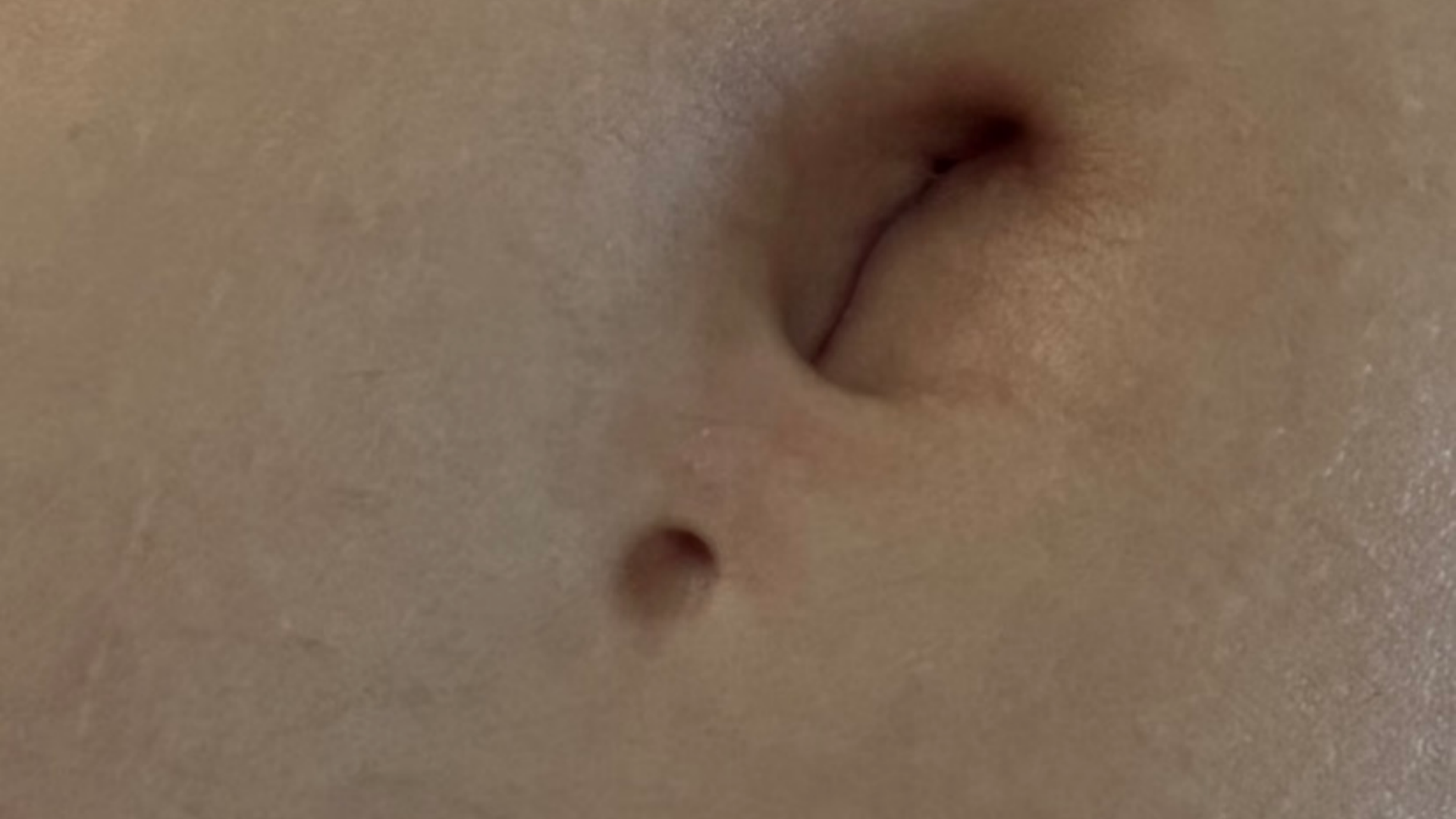
Definition and causes
You must know what a keloid is to recognize it properly. Health professionals define a keloid as a scar that forms a growth of the dermis at the site of the wound. For keloids after a belly button piercing, you may see a mass that extends beyond the initial piercing area. This growth can evolve over time and often requires medical attention.
Here are the main causes of keloids after a belly button piercing:
Unsuitable jewelry (length, diameter, shape)
Material poorly tolerated by your skin
Repeated impacts or snags
Excessive friction on the pierced area
Poor-quality jewelry
Irritation due to jewelry or improper care
Changing jewelry too quickly
Sleeping on your stomach or on the pierced area
Jewelry too small
Infection related to neglected care
Certain factors increase your risk of developing a keloid. If you have dark skin, a history of keloids, or a genetic predisposition, you must be even more vigilant. Pregnant women and adolescents also face a higher risk. Even a small wound, such as a piercing, can cause a keloid in some people.
Distinctive signs
You can recognize keloids after a belly button piercing by several specific signs:
Appearance of a firm, smooth growth
Mass extending beyond the piercing area
Absence of acute inflammatory signs (no intense heat or pus)
Stable ball or bump shape
Keloids evolve over time. You may sometimes have to wait a year and a half to confirm that it is indeed a keloid. If the scar improves between 6 and 18 months, it may be a hypertrophic scar. If the swelling does not flatten after a year and a half, you can call it a keloid.
💡 Tip: Take regular photos of your piercing to monitor the scar's evolution. This helps you spot changes and show the progression to a healthcare professional.
Differences with infection and rejection
You must clearly differentiate keloids after a belly button piercing from other complications such as infection or rejection. An infection is often manifested by:
Marked pain
Local heat
Significant swelling
Intense redness
Discharge of pus or abnormal fluid
Rapid worsening of symptoms
Rejection, on the other hand, is characterized by the migration of the jewelry, thinning of the skin, and sometimes expulsion of the jewelry.
A keloid, by contrast, remains a firm, smooth, and stable growth, without signs of acute inflammation. It does not cause intense pain or discharge.
You must avoid self-diagnosis errors. If you confuse a keloid with an infection or rejection, you risk making the situation worse. A wrong diagnosis can lead to complications, prolonged pain, or deterioration of your skin's appearance. You should therefore consult a professional if you have the slightest doubt.
Prevention and care of keloids
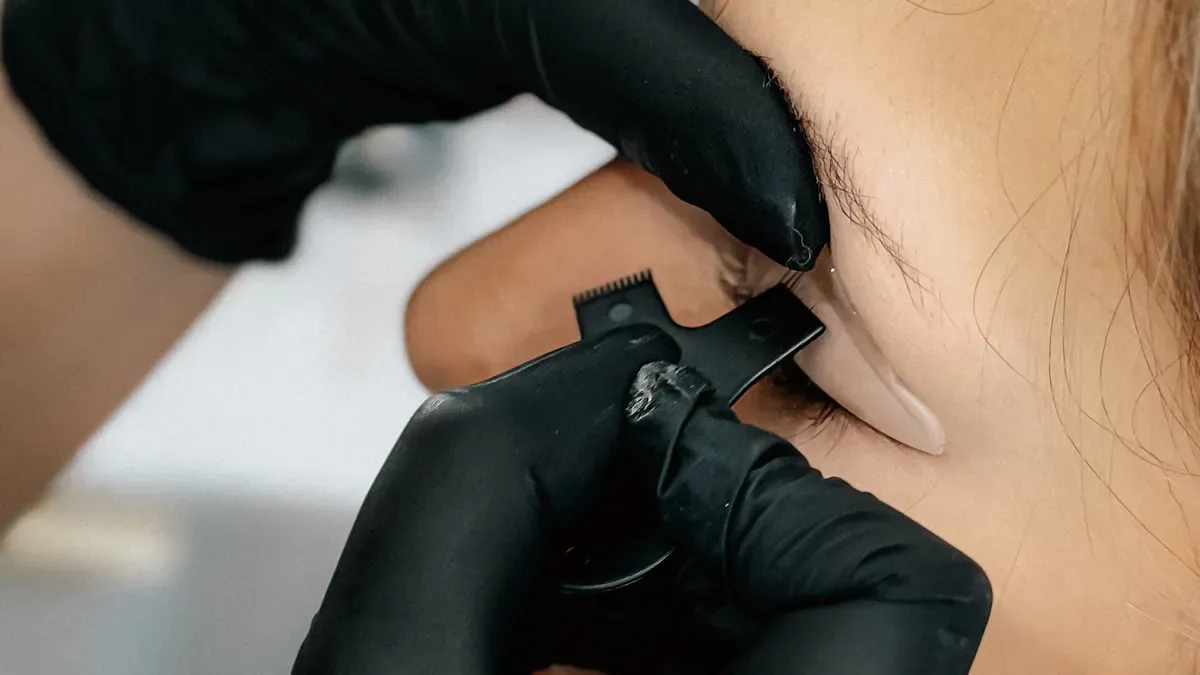
Essential hygiene practices
You must adopt a strict hygiene routine to limit the risk of keloids after a belly button piercing. Dermatologists recommend:
Regular cleaning with a saline solution.
Avoid irritating products such as alcohol and hydrogen peroxide.
Follow a cleaning routine once or twice a day, especially during the first week.
Tip: Always wash your hands with an antiseptic before touching the area. Use a sterile saline solution or a mild antiseptic.
Choosing suitable jewelry
The choice of jewelry directly influences healing. Favor ASTM F136 titanium, a hypoallergenic material that reduces allergic reactions and minimizes irritation. You can also choose medical-grade Teflon (PTFE) or solid gold. Avoid variable-quality alloys such as surgical steel.
Recommended material |
Benefits |
|---|---|
ASTM F136 titanium |
Hypoallergenic, limits irritation |
Solid gold |
Safe, well tolerated |
Medical-grade Teflon |
Flexible, optimal healing |
Prevention from the time of piercing
You must follow hygiene rules from the time of piercing. Ask the professional to use sterile instruments. Wear loose clothing to avoid friction. Do not touch the jewelry and keep the area dry after care.
Home and medical treatments
To treat a keloid, you can apply compression dressings or use specific creams. If the mass grows or does not improve, consult a dermatologist. Some centers offer procedures to treat large scars.
When to consult a professional
You should consult a professional if:
The mass extends beyond the pierced area or grows rapidly.
You experience intense pain, heat, swelling, or abnormal discharge.
You have had keloids before.
The situation does not improve despite care.
You notice an abnormal color or a foul odor.
Do not wait if you notice these signs. A quick consultation helps avoid complications.
You must monitor your piercing, adopt strict hygiene, and choose suitable jewelry. Protect the scar from the sun, moisturize it every day, and avoid trauma. Consult a professional if you notice redness, pain, or discharge.
Stay patient and vigilant to limit complications.
FAQ
How to know if you have a keloid or a simple scar?
Observe the area. A keloid forms a firm bump that extends beyond the wound. A normal scar remains flat or slightly raised.
Can you get pierced again if you have had a keloid before?
You must ask a professional for their opinion. The risk of recurrence remains high. A dermatologist can advise you on the precautions to take.
Do natural remedies work on keloids?
Natural remedies sometimes provide relief, but they do not eliminate the keloid. You must consult a specialist for effective treatment.


