


You're probably wondering when you can finally change your starter jewelry for permanent jewelry. The answer depends on your piercing being fully healed. Healing times vary depending on the area: for example, an earlobe piercing heals in 4 to 8 weeks, while a belly button piercing can take up to a year. Here's a visual overview of healing times:
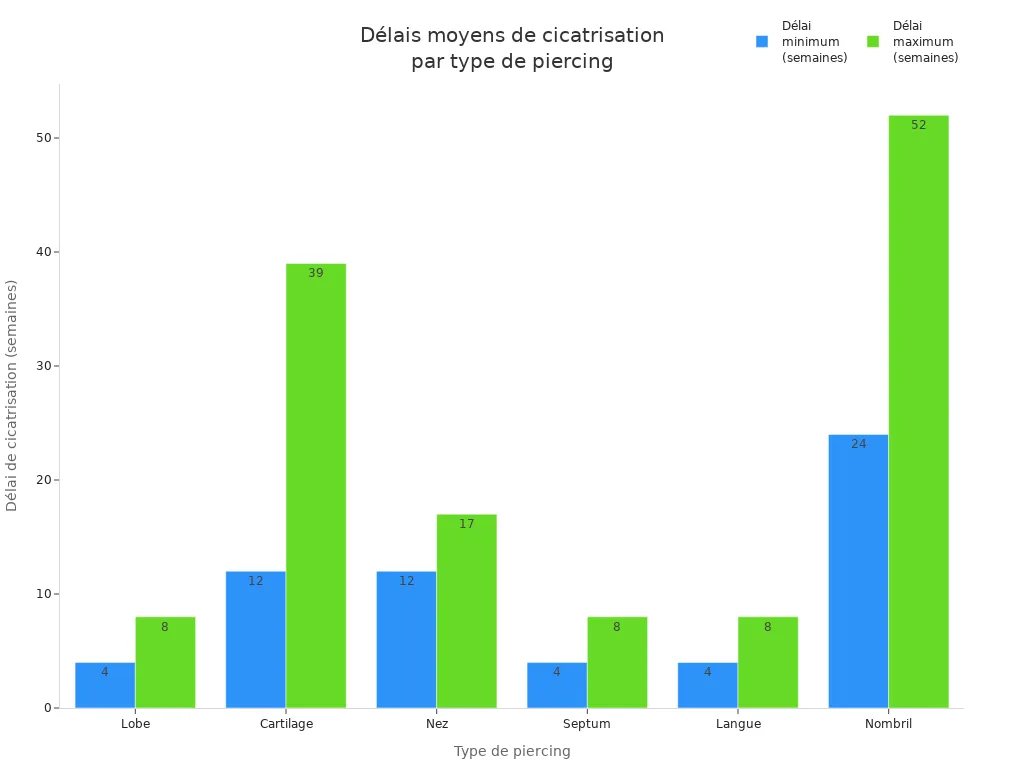
Waiting for complete healing protects your skin from infections. Every body reacts differently, so carefully observe the signs before trying to change your piercing.
Key Points
Wait for your piercing to heal completely before changing the jewelry. This protects your skin from infections.
Monitor the signs of healing: no pain, redness, or discharge. Consult a professional if you have any doubts.
Choose starter jewelry made from biocompatible materials such as titanium or 18-karat gold to avoid irritation.
Take the time to clean your piercing regularly and avoid changing it too soon to ensure proper healing.
Be patient and listen to your body. Rushing can lead to complications and delay healing.
Starter jewelry or permanent jewelry?

Definition of starter jewelry
You often come across the term "starter jewelry" when getting pierced. This is the jewelry that the professional places when creating the piercing. It stays in place throughout the entire healing period. Experts distinguish starter jewelry from permanent jewelry based on several criteria:
Starter jewelry is designed to minimize the risk of irritation and allergies.
It uses materials such as titanium, surgical steel, 14- or 18-karat gold, or Bioflex. These materials are biocompatible and suitable for prolonged contact with the skin.
Permanent jewelry, on the other hand, offers more style choices and customization once healing is complete.
Note: Starter jewelry is not just about aesthetics. It protects your skin and promotes proper healing.
The role of starter jewelry in healing
Starter jewelry plays an essential role in your piercing's healing. You should know that the choice of jewelry directly influences the speed and quality of healing. Here's why:
Suitable jewelry prevents irritation and allergies.
It limits mechanical complications, such as friction or pressure.
Unsuitable jewelry can prolong the healing period and sometimes force the removal of the piercing.
Professionals recommend paying close attention to the choice of the initial jewelry. Even if you want to change your piercing quickly, it's best to wait until healing is complete.
When to switch to permanent jewelry?
You're probably wondering when you can change your piercing for permanent jewelry. You must wait until the area has completely healed. Signs of healing include no redness, pain, or discharge. If you observe these signs, you can consider changing your jewelry. However, every body heals at its own pace. Take the time to listen to your body and don't hesitate to ask a professional for advice if you have any doubts.
Healing times by area
You probably want to know how long to wait before changing your piercing depending on the pierced area. Each part of the body has its own healing pace. Here is a summary table of the average times for the most common piercings:
Piercing type |
Average healing time |
|---|---|
Ear lobe |
|
Cartilage (ear) |
3 to 7 months |
Nose |
|
Septum |
2 to 3 months |
Belly button |
9 to 12 months |
Tongue |
|
Eyebrow |
7 weeks |
Lip |
2 months |
Nipples |
6 months |
Genitals |
6 months |
Bridge |
8 to 10 weeks |
Top of nose |
4 to 9 months |
🕒 These times are averages. Your body may heal faster or slower depending on your lifestyle, age, or the care given to your piercing.
Ear lobe
The earlobe remains the fastest area to heal. Generally, you should wait between 4 and 8 weeks before thinking about changing your piercing. Some professionals even recommend waiting up to 3 or 4 months for the lobe to become truly solid. During this period, carefully monitor for the absence of redness, pain, or discharge.
Cartilage
Cartilage requires more patience. You should count on 3 to 7 months for complete healing. Several factors influence this time:
Your age: young adults often heal faster.
Your lifestyle: a balanced diet, good sleep, and proper hydration speed up healing.
Local hygiene: regular cleaning limits infections.
Friction: avoid sleeping on the piercing or touching it too often.
Choice of jewelry: favor hypoallergenic materials such as titanium or 14-18 karat gold.
Patience and gentleness are your best allies for healthy cartilage.
Nose and septum
For the nose, healing takes an average of 3 to 4 months. The septum heals a little faster, often between 2 and 3 months. However, it is not uncommon for the nose to take up to 6 months to heal completely. Nose and septum piercings remain sensitive to infections, so clean them carefully.
Belly button
The belly button is the longest area to heal. You may sometimes have to wait up to 12 months before changing your piercing. Healing takes place in three phases: inflammation, irritation, then repair. This area moves a lot and remains exposed to friction, which explains the duration. Be patient and carefully monitor the progress.
The belly button requires exemplary patience. Do not rush to change the jewelry.
Tongue
The tongue heals faster than cartilage or the belly button. Count on 4 to 6 weeks for complete healing. However, this area presents specific risks: infections, bleeding, swelling, and dental problems. Stay vigilant and follow oral hygiene instructions.
Other common areas
Other piercings such as the eyebrow, lip, nipples, or genitals also have their own times:
Eyebrow: about 7 weeks
Lip: 2 months
Nipples and genitals: 6 months
Bridge: 8 to 10 weeks
Top of nose: 4 to 9 months
Every body reacts differently. Certain factors such as the immune system, the choice of jewelry, or daily friction can speed up or slow down healing.
Tip: Take the time to observe your skin and don't hesitate to ask a professional for advice before changing your piercing. Patience remains the key to avoiding complications.
Recognizing a healed piercing
Signs of complete healing
You want to know if your piercing is truly healed before changing your piercing. A healed piercing no longer causes pain or discomfort. The skin around the jewelry regains its normal color. You no longer see redness or swelling. No fluid comes out of the hole. The area no longer itches and does not have scabs. You can gently touch the jewelry without feeling sensitivity. The jewelry moves easily without resistance. These signs show that healing is well underway.
Tip: If you observe all these signs, you can consider switching to permanent jewelry. Always take the time to check every detail.
Warning symptoms to watch for
Certain symptoms should alert you to a possible complication. If you notice any of these signs, it is best to consult a professional:
Persistent redness around the piercing
Swelling that does not decrease
Continuous or worsening pain
Purulent discharge (yellow or green fluid)
Significant itching or skin lesions
Appearance of an abscess
Never ignore these symptoms. They may indicate an infection or a healing problem.
Tips for checking yourself
You can check the condition of your piercing at home. Here are some simple tips to follow:
Observe the color of the skin around the jewelry. It should be normal, without redness.
Gently press around the piercing. You should not feel pain.
Check for the absence of discharge or yellowish scabs.
Monitor any sudden changes: swelling, redness, pain, or suppuration.
Clean the area regularly to better see any changes.
If you have any doubts, always ask for a professional's opinion before changing your piercing. Safety comes first.
Risks of changing too early
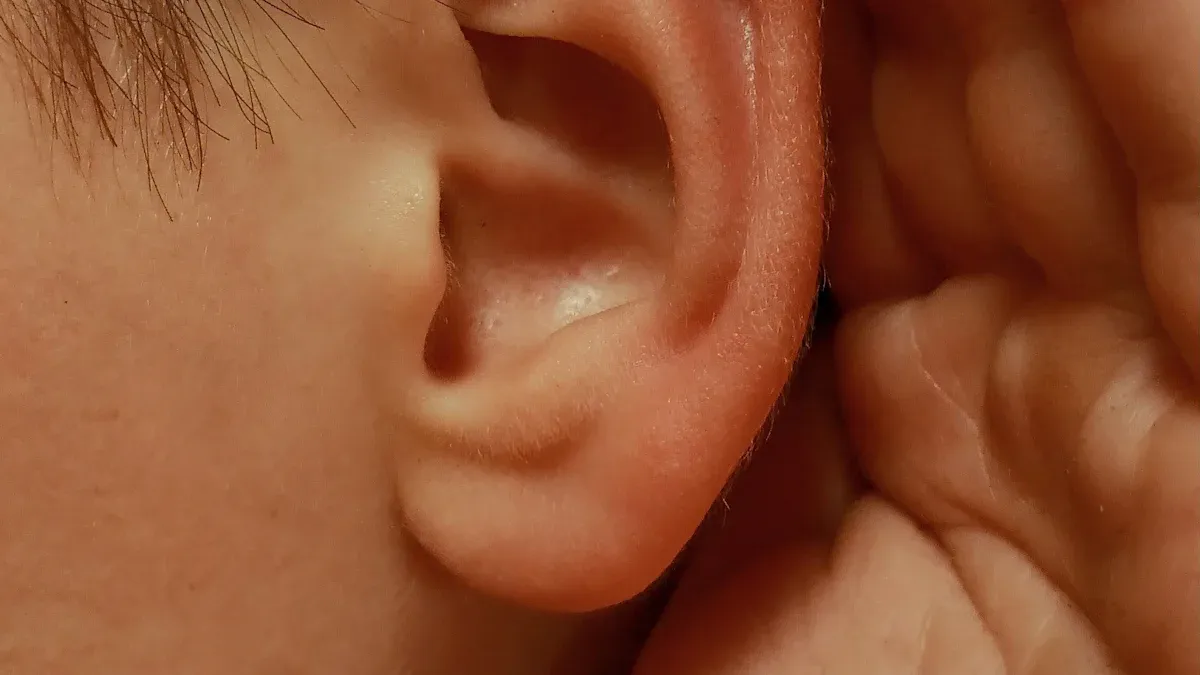
Changing your piercing too early can lead to many health problems. You must understand these risks before making a decision.
Infections and irritations
When you change your jewelry before complete healing, you expose your skin to infections and irritations. Here are the most common complications:
Bacterial infections, often caused by insufficient hygiene or poorly handled jewelry.
Nickel allergies, which cause redness and itching around the piercing.
Chronic inflammatory reactions, such as granulomas or fleshy bumps.
Some infections can become serious. Cases of endocarditis or viral infections such as hepatitis B and C have already been reported. You must therefore remain vigilant and not underestimate these risks.
Delayed healing
Changing your piercing too early can also slow down healing. The skin does not have time to close properly. You may then see persistent irritation or pain that lasts. Sometimes, healing stops completely and you have to start the whole process over. You must therefore give your body time to repair itself.
Common mistakes
Many people make the same mistakes when changing jewelry. Here are the most common:
Choosing poor-quality jewelry.
Ignoring the signs of poor healing.
Swimming too soon after the piercing.
Underestimating the importance of follow-up.
To avoid these mistakes, you should favor high-quality materials such as titanium or 18-karat gold. Always monitor healing symptoms and consult a professional if you have any doubts. Avoid swimming for 7 to 10 days after the piercing and schedule follow-up visits with your piercer.
Take the time to listen to your body. Patience remains the best protection against complications.
Changing your piercing safely
Changing your piercing requires method and caution. You must follow certain steps to avoid any risk of infection or irritation. Here is how to proceed to ensure the safety of your skin and the good health of your piercing.
Steps to change jewelry
Before starting, make sure your piercing is properly healed. Take the time to prepare all the necessary equipment. Professionals recommend following these steps:
Always wash your hands with soap and water before touching your piercing.
Use a sterile saline solution to clean the area around the jewelry.
Gently clean the piercing before any handling.
Take a warm shower to relax the skin and make it easier to remove the jewelry.
Disinfect the new jewelry before inserting it into the hole.
Tip: Prepare everything in advance to avoid looking for a product or jewelry with already clean hands.
Hygiene and precautions
Hygiene remains the key to changing your piercing without risk. You must adopt simple but essential steps:
Wash your hands thoroughly with antibacterial soap before handling the jewelry.
Carefully disinfect the jewelry before inserting it, using a disinfectant wipe or an alcohol pad.
Check that the piercing no longer has swelling, redness, or sensitivity before changing the jewelry.
Tip: If you feel the slightest pain or observe persistent redness, wait a few more days before trying the change.
Choice of material
The choice of material directly affects your skin's health. Some materials are recommended by dermatologists to reduce the risk of allergies or irritation. You can choose from:
Titanium: Lightweight, inert, and used for surgical implants. It greatly reduces allergic reactions.
Niobium: 99.9% pure, it offers excellent biocompatibility.
Platinum: Hypoallergenic, it is suitable even for very sensitive skin.
18-karat gold: Composed of 75% pure gold, it contains very few allergenic metals.
316L surgical steel: Standardized and affordable, it remains suitable for most people, except the most sensitive.
Always opt for implant-grade titanium jewelry if you want to minimize the risk of allergies.
When to consult a professional?
Changing a piercing can sometimes prove difficult. You should consult a professional in the following situations:
You are having difficulty reinserting the jewelry or removing it.
You notice signs of infection such as persistent redness, discharge, or unusual pain.
You notice healing complications, such as swelling that does not go away or increased sensitivity.
Never hesitate to ask for the help of an experienced piercer if you have the slightest doubt. A professional will know how to guide you and help you avoid complications.
You must wait for complete healing before changing your jewelry, depending on the pierced area. Watch for these signs: no pain, redness, or discharge, and consult a professional if you notice an abnormal symptom. The times vary: several weeks for the lobe, several months for cartilage or the navel. Follow these steps to avoid infections and irritation:
Clean your piercing regularly.
Be patient.
Change your style, yes, but without rushing! 😊
FAQ
When can I change my starter jewelry for permanent jewelry?
You must wait for your piercing to heal completely. Check for an absence of pain, redness, and discharge. If you have any doubts, ask a professional for advice.
Can I change my piercing myself?
Yes, you can do it if your piercing is properly healed. Wash your hands, disinfect the jewelry, and handle it gently. If you encounter any difficulty, consult a piercer.
What materials should I choose for my permanent jewelry?
Opt for titanium, 18-karat gold, or niobium. These materials reduce the risk of allergies and irritation. Avoid costume jewelry at the beginning.
What should I do if my piercing becomes red or painful after changing it?
Stop handling the jewelry. Clean the area with a saline solution. If the pain or redness persists, consult a professional quickly.


