


Do you sometimes notice that your two ears are not perfectly alike? Rest assured, this difference is normal. Everyone has a unique shape, and this diversity is what makes humanity so rich. You can see asymmetry as an asset. Many designers celebrate asymmetrical jewelry to express personality. Take the time to observe what makes you unique and discover the beauty in imperfection.
Key Points
Ear asymmetry is normal and part of human diversity. Everyone is unique.
Differences between the ears can even affect hearing, but the brain compensates for these variations.
Asymmetry can be celebrated through fashion, especially with jewelry that expresses personality.
Accepting your physical differences can improve self-confidence and self-esteem.
Choosing asymmetrical jewelry allows you to create a unique style and highlight your originality.
Ear asymmetry is natural
Human variability
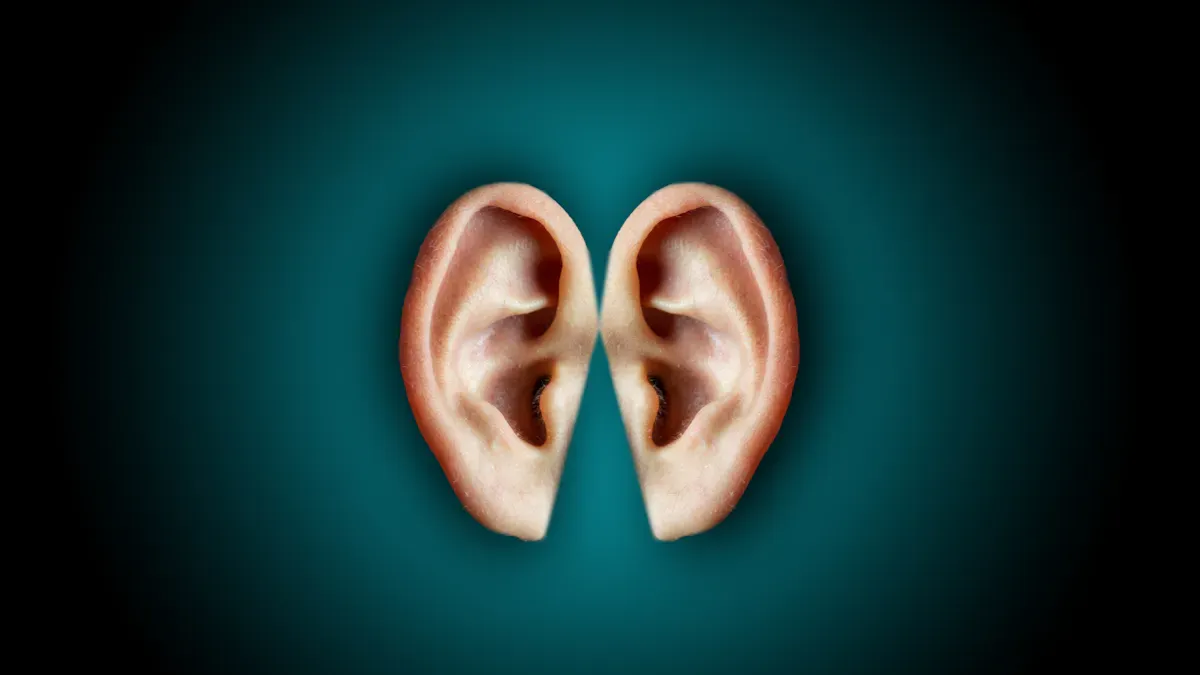
You are part of a great human diversity. Your ears do not look like your neighbor's, nor even like those of your family. Scientists have observed that the shape and size of ears vary greatly from person to person. This variability depends on several factors such as sex, age, or ethnic origin.
The dimensions of the ear change depending on the individual.
The earlobe can be attached or free, and this characteristic is passed down in complex ways within families.
Researchers do not always agree on the dominance of attached or free lobes.
Each part of the ear has its own genetics, which explains the diversity of shapes.
You can see this diversity as a richness. It shows that everyone has a unique physical identity. Differences in the ears are as natural as eye color or the shape of the nose.
The uniqueness of each ear
Look at yourself in a mirror. You may notice that your two ears are not identical. This asymmetry exists in almost everyone. Scientific studies show that each ear of the same person shows differences, even if they seem small.
You may have one ear that hears certain frequencies better than the other.
Sometimes, one ear perceives loud sounds less effectively.
Sound perception curves vary from one ear to the other, even in people with normal hearing.
This uniqueness makes your face even more special. Asymmetry is not a flaw. It is part of your identity. You can learn to appreciate these small differences that set you apart from others.
Origins of asymmetry
Genetic and developmental factors
You discover that the asymmetry of your ears begins at the very beginning of life. Genes play an important role in the shape and size of each ear. You inherit certain characteristics from your parents, but embryonic development also influences symmetry.
The cilia in the embryonic node create a flow that guides the formation of organs, including the ears.
If this flow changes or is disrupted, the symmetry of the ears can also change.
Studies on mouse embryos show that the orientation of this flow influences the position and shape of organs.
You then understand that each ear develops in a unique way. Even in twins, you sometimes observe differences. The human body does not always follow a perfectly symmetrical plan. This diversity begins in the first days of life.
🧬 Genetics and embryonic development make each person unique. You carry within you a biological history that shapes your appearance.
Environmental influence
After birth, your environment continues to influence the shape of your ears. Lifestyle habits, minor accidents, or even the way you sleep can alter symmetry.
Trauma, even past, can leave a mark on posture or the shape of the ear.
Postural habits, such as staying in the same position for a long time, sometimes create visible imbalances in the ears.
Disturbances in the overall posture of the body lead to compensations that manifest as slight asymmetry.
You notice that your body is constantly adapting to your lifestyle. The ears, like other parts of the face, reflect these adaptations. You can see asymmetry as the result of a personal history, made of movements, gestures, and experiences.
💡 The asymmetry of your ears tells part of your story. It shows how your body evolves over time and with the environment.
Asymmetry and hearing
Auditory function
You use your two ears to hear the world around you. Even if they are not identical, your brain knows how to handle these differences. There are natural mechanisms that allow your hearing to remain effective.
Your inner and outer hair cells in the ear modulate their activity. They adapt to the sounds you hear every day.
The muscles in your middle ear adjust impedance. They optimize sound transmission, even if one ear captures sound slightly less effectively.
Your thalamus and auditory cortex work together. They integrate the information received by each ear and compensate for small differences.
🧠 Your brain acts like an orchestra conductor. It harmonizes the signals so that you can locate sounds and understand speech, even with slight asymmetry.
You notice that nature has provided solutions so that you can enjoy good hearing. Asymmetry does not prevent you from hearing correctly in everyday life.
When to worry?
In most cases, you do not need to worry if your ears are not perfectly symmetrical. Many people live with small differences without any hearing problems. You should stay attentive to certain signs that could indicate a problem.
You experience sudden or progressive hearing loss on one side.
You hear buzzing, whistling, or pain in one ear.
You have difficulty locating sounds or understanding speech, especially in noise.
If you observe these symptoms, you can consult a healthcare professional. They will be able to explain the situation and reassure you. In the vast majority of cases, ear asymmetry remains a normal variation with no impact on your hearing.
👂 Learn to listen to your body. Your ears tell your story, and their asymmetry is part of your uniqueness.
Asymmetrical jewelry and aesthetics
The beauty of imperfection
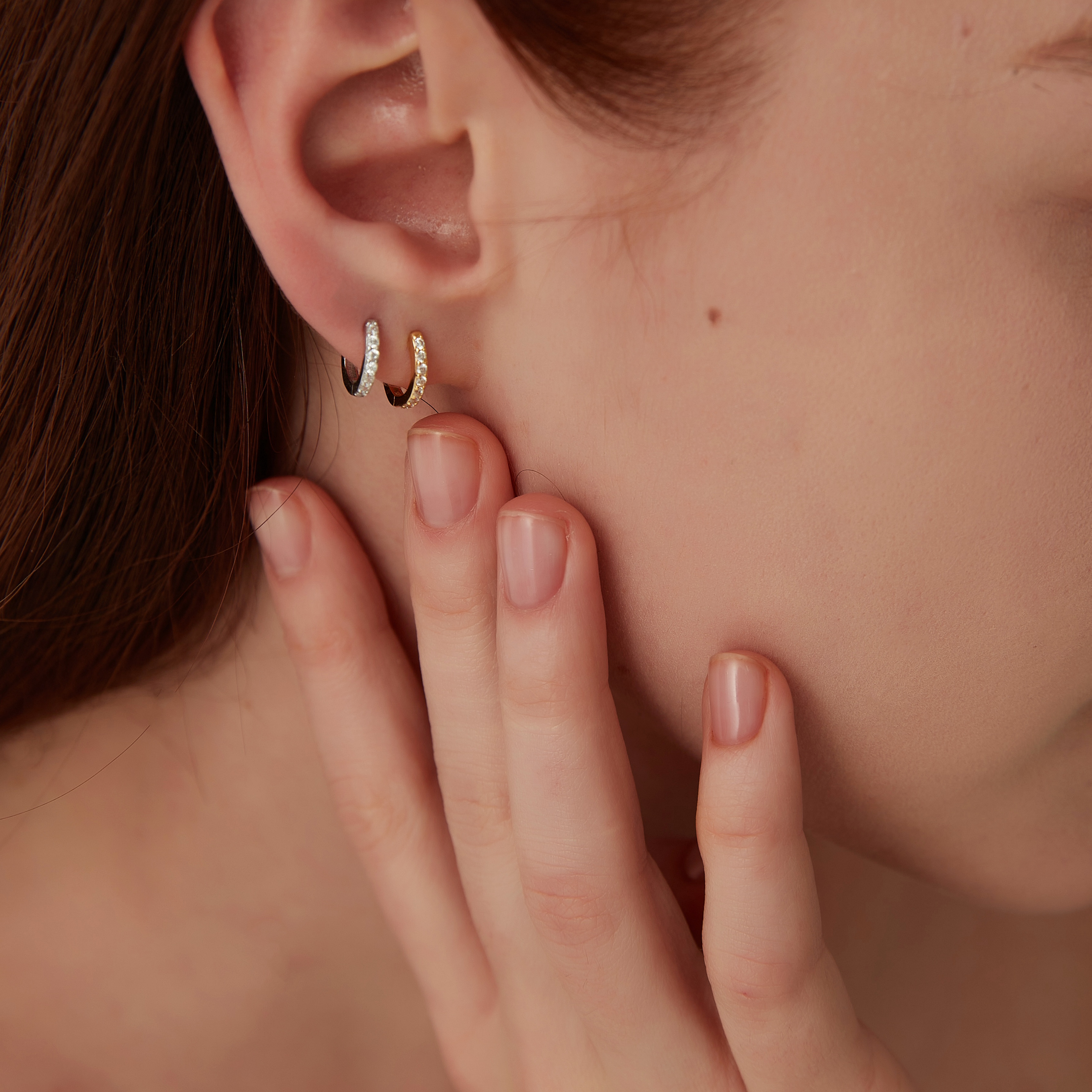
You discover that asymmetrical jewelry is not limited to a simple trend. It draws inspiration from art history and fashion, where asymmetry draws the eye and questions traditional codes of beauty. Artists have often highlighted asymmetry to create a contrast between good taste and bad taste. This choice gives works of art a unique and unexpected touch.
Asymmetrical jewelry brings fluidity and lightness to your style.
You notice the originality of the shapes and the modernity of the creations.
Designers use unconventional shapes to express elegance differently.
In contemporary fashion, asymmetrical jewelry adds a quirky touch. Designers explore varied textures and bold elements. You can see this trend in earrings that do not look alike but harmonize perfectly.
Imperfection becomes a strength. You assert your personality by choosing jewelry that does not seek perfect symmetry.
Personalization and creativity
Do you want to express your individuality? Asymmetrical jewelry offers you many possibilities. Single earrings allow you to match and combine according to your desires. You create a set that reflects your personality and your mood of the day.
You play with contrasts, shapes, sizes, and textures.
Asymmetrical jewelry promotes a bold and unexpected look.
You explore creativity by personalizing every detail.
Designers like Hermine Sacau and Capucine Huguet draw inspiration from nature and offer asymmetrical designs inspired by phytoplankton or off-center stones. You can choose models that highlight the shape of your face. For example, a round face will be enhanced by elongated models, while an angular face will be softened with rounded shapes.
Asymmetrical jewelry encourages self-expression. You create a unique, modern, and elegant style while celebrating the beauty of difference.
You can see the asymmetry of your ears as a strength. Many people share their experience and show that accepting their body improves their confidence.
A young woman explains that accepting herself allowed her to feel better in her skin.
After surgery, others state that accepting their difference remains essential for their self-esteem.
You can choose jewelry that highlights your originality. Asymmetry makes you unique. Celebrate this difference every day! 🌟
FAQ
Do your ears need to be perfectly symmetrical?
No, your ears do not need to be identical. Asymmetry is normal in almost everyone. It is part of human diversity and generally does not pose any health problems.
Can ear asymmetry affect your hearing?
In most cases, asymmetry does not affect your hearing. Your brain knows how to compensate for small differences. If you notice hearing loss, consult a professional.
Can ear asymmetry be corrected?
Yes, you can choose aesthetic solutions such as surgery or suitable jewelry. Many people prefer to accept their difference and enhance it with original accessories.
Why do designers like asymmetry in jewelry?
Designers see asymmetry as a source of inspiration. It allows them to create unique and original pieces. You can express your personality with different jewelry for each ear.
When should you consult a specialist about your ears?
You should consult if you experience pain, sudden hearing loss, or buzzing. A professional can help you understand the situation and reassure you.


