


You can get vibrant, long-lasting colors with titanium anodizing. This process creates an oxide layer on the metal that protects your skin from allergies. You avoid the risks associated with paint because titanium anodizing does not contain pigments. You also benefit from effective corrosion protection.
Key Points
Titanium anodizing creates an oxide layer that protects the skin from allergies.
Titanium is hypoallergenic, making it ideal for jewelry and medical implants.
Vibrant colors come from a light interference phenomenon, without chemical pigments.
Anodizing offers exceptional durability; the colors do not fade over time.
Follow the preparation and safety steps to ensure a perfect result when anodizing.
Titanium and allergies
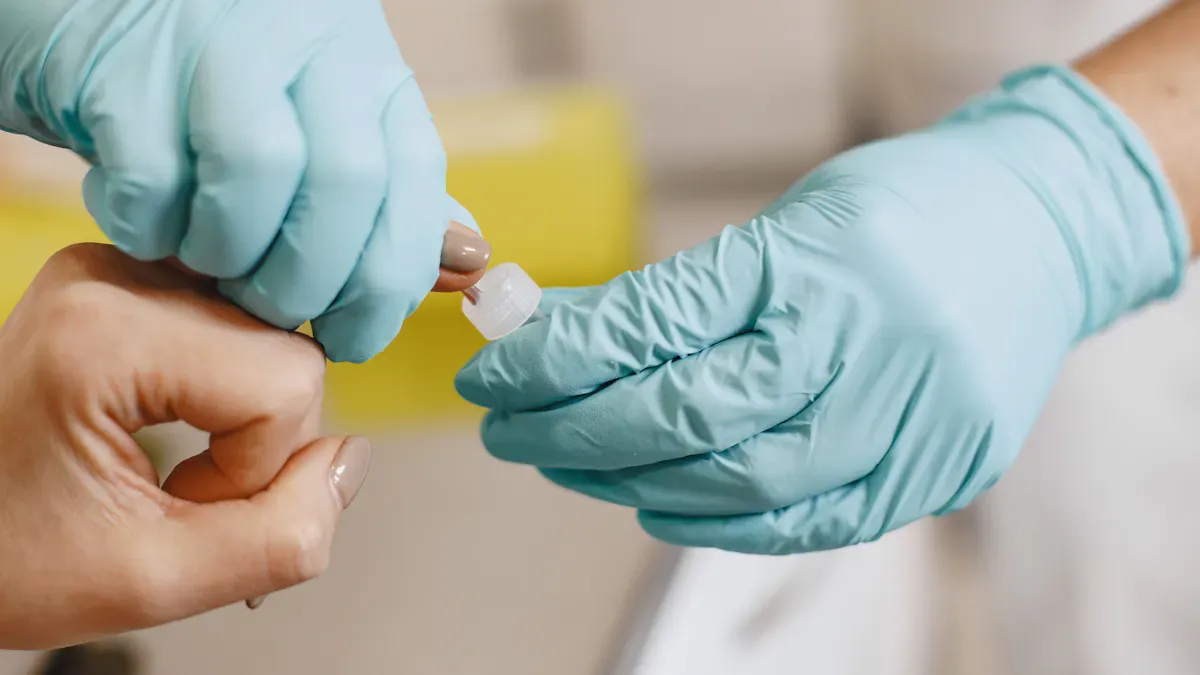
Hypoallergenic properties
You want to wear jewelry or use items that do not cause allergies. Many metals cause reactions in some people. You often find nickel in costume jewelry. This metal can irritate the skin and cause itching. Copper and surgical steel also cause problems for sensitive people.
Here is a list of metals that cause the most allergies:
Nickel: found in many accessories, it is the main cause of contact allergies.
Copper: can cause reactions in some people.
Surgical steel: sometimes used in piercings, it is not always well tolerated.
You notice that titanium stands out from these metals. It does not cause allergies. Doctors use titanium for implants and prostheses. This metal is biocompatible. You can wear titanium jewelry without fear of a reaction.
Tip: If you have ever had a reaction to jewelry, choose titanium to avoid skin problems.
Protective oxide layer
Titanium anodizing creates an oxide layer on the surface of the metal. This layer protects your skin and prevents any direct contact with the raw metal. You benefit from a natural barrier that blocks irritating agents.
The oxide layer is stable and does not deteriorate over time. You enjoy vibrant colors without the risk of allergies.
The oxide layer formed by titanium anodizing remains thin, but it offers effective protection. You can use anodized items daily, even if you have sensitive skin.
Metal |
Allergy risk |
Common use |
|---|---|---|
Nickel |
High |
Costume jewelry |
Copper |
Medium |
Accessories, coins |
Surgical steel |
Variable |
Piercings, implants |
Titanium |
Low |
Jewelry, medical implants |
You observe that titanium, especially after anodizing, remains the safest choice to avoid allergies.
Titanium anodizing principle
Colors and light interference
You discover that titanium anodizing is based on an electrochemical process. You immerse the titanium in an electrolytic bath. You apply electrical voltage. This current transforms the surface of the metal. It forms a thin layer of titanium oxide.
This oxide layer does not contain pigments. You get the colors thanks to a physical phenomenon. Light hits the surface. It reflects and refracts through the oxide layer. This play of light creates interference. You then see different colors depending on the thickness of the layer.
Here is how the thickness of the oxide layer influences the color:
The thickness of the titanium oxide layer determines the colors you observe.
The interference phenomenon comes from the reflection and refraction of light on the oxide layer.
The colors change depending on the wavelength amplified or attenuated by this thickness.
You control the color by adjusting the electrical voltage. The higher the voltage, the thicker the oxide layer. You can thus obtain a whole palette of vibrant colors, from blue to purple, through yellow or green.
Tip: Want a specific color? Note the voltage used to reproduce it easily.
Safety and durability
You notice that titanium anodizing is completely different from paint. You do not risk an allergy because there are no chemical dyes. The oxide layer remains stable and does not peel. You enjoy colors that do not fade over time.
Here is a table comparing titanium anodizing and paint:
Treatment type |
Coloring mechanism |
Safety |
Color stability |
|---|---|---|---|
Anodizing |
Requires proper pre-treatment |
Stable colors, do not fade |
|
Paint |
Dye absorption |
Generally less demanding |
Risk of fading or peeling |
You must prepare the surface of the titanium carefully before anodizing. This pre-treatment guarantees the safety and durability of the result. You thus avoid any undesirable reaction. You obtain a smooth surface, resistant to corrosion and easy to maintain.
Note: Titanium anodizing protects the metal against wear and corrosion. You extend the life of your objects while enjoying vibrant colors.
Titanium anodizing guide
Preparation and cleaning
You must properly prepare the titanium before starting. Thorough cleaning guarantees a uniform color and a flawless surface. Start by washing the piece with soapy water. Rinse it carefully to remove any trace of grease or dust. Use a soft cloth to dry the surface. If you want a perfect result, put the piece in an ultrasonic bath. This step removes invisible impurities.
For titanium anodizing, you must also choose the right equipment. Here is a table presenting the equipment according to your level:
Configuration level |
Estimated budget |
Essential components |
Operational capabilities and limitations |
|---|---|---|---|
Level 1: Proof of concept (the 9V series) |
€30–50 |
5 to 10 9V batteries (in series), sodium bicarbonate electrolyte, plastic container, aluminum foil (cathode), alligator clips |
Advantages: low cost, visible physical principles. Disadvantages: limited voltage, unstable current. |
Level 2: Dedicated enthusiast |
€150–300 |
Variable DC power supply (0–120V), Whink Rust Stain Remover, titanium wire/mesh, TSP electrolyte |
Advantages: all colors, stable voltage. Disadvantages: presence of dangerous acid. |
Level 3: Professional studio |
€600+ |
Programmable power supply, Multi-Etch, ultrasonic cleaner, heated bath, titanium cathode |
Advantages: mirror finish, precise control. |
Tip: Always use a titanium cathode. Copper or steel can dissolve and contaminate the electrolyte. Suspend your piece with titanium wire to prevent corrosion.
Voltage adjustment
The final color depends on the applied voltage. You must set the voltage precisely. The higher the voltage, the thicker the oxide layer becomes. You then get different colors. For example, a low voltage gives yellow or purple. A stronger voltage allows you to get blue or green.
Use a variable power supply to control the voltage. Note the value used for each color. This helps you reproduce the same result later. If you use batteries, add their voltage to reach the desired color. Professional systems offer precise and stable adjustment.
Process steps
Here are the main steps to succeed in titanium anodizing:
Put on a lab coat, goggles, and protective gloves.
Fill a glass container one-third with water.
Slowly add the same amount of sulfuric acid if you are using an acid electrolyte.
Connect the titanium piece to an electrical wire. Use another wire for the cathode (titanium or stainless steel).
Immerse the piece and the cathode in the electrolyte.
Connect the cathode to the negative pole and the titanium piece to the positive pole of the power supply.
Apply the chosen voltage for 10 to 30 seconds.
Remove the piece, rinse it with clean water, and let it dry.
Note: You can also try flame or laser anodizing. The flame heats the surface to create colors, but the control remains less precise. The laser allows you to decorate the surface with colored patterns.
Safety and precautions
You must always follow the safety rules. The chemicals used can be dangerous. Here are the precautions to follow:
Wear appropriate protective clothing.
Wear compatible plastic gloves.
Use goggles or a face shield.
Work in a well-ventilated area.
Keep all unnecessary metal objects away.
Keep children and animals away from the work area.
Tip: Prepare your space before starting. Store all chemicals after use. Never leave the electrolyte unattended.
Titanium anodizing allows you to get vibrant colors safely if you follow these steps and precautions.
Titanium anodizing standards
Industrial standards
You must know the standards governing titanium anodizing in demanding sectors such as medical or aeronautics. These standards guarantee the quality and safety of the parts used. International organizations define precise specifications for each type of titanium product. Here are some important standards:
ASTM B265-11: Specification for titanium and titanium alloy strips, sheets, and plates.
ASTM B348-11: Specification for titanium and titanium alloy bars and billets.
ASTM B338-10 e1: Specification for titanium and titanium alloy tubes, seamless and welded, for condensers and heat exchangers.
ASTM B861-10: Specification for seamless titanium and titanium alloy pipes.
ASTM B862-09: Specification for welded titanium and titanium alloy pipes.
CODAP (2005), Section M14: Code of construction of pressure vessels not subject to flame action.
You observe that these standards ensure the reliability of the materials. They impose strict controls on the composition, strength, and purity of titanium. You can thus use anodized parts with full confidence.
Biocompatibility and reliability
Titanium anodizing allows you to obtain safe and durable objects. You find this process in industrial applications where safety is essential. For example, type 1 anodizing is used before hot extrusion. It limits undesirable chemical reactions and reduces contamination. Type 2 anodizing prevents seizing, which avoids the instantaneous bonding of parts under load.
You also benefit from exceptional biocompatibility. Anodized titanium medical implants do not cause an allergic reaction. You can wear jewelry or use anodized tools without risk to your health. The oxide layer protects the surface and ensures long-term reliability.
Note: Industrial standards and biocompatibility make titanium anodizing a preferred choice for sectors where safety and durability are essential.
Comparison with paint
Safety and allergy risks
You want to choose a safe treatment for your skin. Titanium anodizing protects you better than paint. This process creates an oxide layer directly on the metal. This layer does not fade and does not peel. You thus keep all the hypoallergenic properties of titanium. Even if you have sensitive skin, you can wear anodized items without fear.
Paint, on the other hand, can contain chemicals. Some components cause allergies or irritation. If you wear painted jewelry, you risk a skin reaction. You must therefore pay attention to the substances used in paints.
Here are the advantages of titanium anodizing for your safety:
The oxide layer is part of the metal; it does not come off.
You avoid allergy risks, even for sensitive skin.
You are not exposed to irritating chemicals.
You gain peace of mind with titanium anodizing. You enjoy vibrant colors without compromising on health.
Color Retention
You want your items to keep their color for a long time. Titanium anodizing offers excellent color retention, even after prolonged exposure to the sun or water. The color does not fade because it comes from a thin oxide layer that naturally regenerates. You observe that the surface remains stable and beautiful, even after years of use.
Paint, on the other hand, can peel or fade under the effect of UV rays or moisture. You sometimes have to repaint to regain the original shine. With titanium anodizing, you often exceed the performance of classic paints.
Colors remain bright after exposure to UV rays and water.
The anodized surface resists scratches and wear better.
You enjoy durable protection against the elements.
You choose titanium anodizing for a stable color and a resistant surface, even in difficult conditions.
Titanium Anodizing Troubleshooting
Uneven Colors
You sometimes notice that the color of your titanium piece is not uniform. Several factors explain this phenomenon. Here are the most common causes:
Alloy composition: The type of titanium used influences the color. For example, Grade 5 often gives softer tones.
Surface finish: A well-polished surface produces vibrant colors. A rough or textured surface dulls the colors.
Conductivity and electrolyte chemistry: If the electrolyte is not well prepared, the electrical resistance varies and the color becomes irregular.
Bath temperature: An unstable temperature changes the thickness of the oxide layer and therefore the color.
To obtain a uniform color, you can follow these professional tips:
Maintain a stable bath temperature during the entire operation.
Gently stir the bath to avoid different heat zones.
Check the electrical contact between the piece and the clamps. A bad contact creates spots or pale areas.
Tip: Note the voltage, temperature, and time used for each piece. You will thus be able to easily reproduce your best results.
Surface Defects
You sometimes observe defects after anodizing. These defects can come from insufficient preparation or a problem during the process. Here are the most common defects and their solutions:
Observed defect |
Possible cause |
Recommended solution |
|---|---|---|
Dark spots |
Grease or dirt residue |
Carefully clean the surface |
Visible scratches |
Insufficient polishing |
Use a finer abrasive |
Matte areas |
Bad electrical contact |
Check the connections |
Bubbles or deposits |
Contaminated electrolyte |
Change the electrolyte |
Note: Take the time to properly clean and polish your piece before starting. Good preparation guarantees a perfect result.
You can thus correct most problems by adjusting your method. You then obtain vibrant colors and a flawless surface.
You discover that titanium anodizing offers you many advantages:
Vibrant and durable colors
Optimal skin safety
Corrosion resistance
Ability to withstand difficult conditions
You must follow each step and respect the precautions to guarantee a perfect result. Consult the standards before getting started. Do not hesitate to ask professionals for advice or explore specialized resources to go further.
FAQ
Does titanium anodizing change the strength of the metal?
No, you do not change the strength of the titanium with anodizing. You only add a thin oxide layer to the surface. The metal keeps its original resistance.
Can you anodize titanium at home?
Yes, you can anodize titanium at home. You must use suitable equipment and respect the safety rules. You get beautiful colors with a little practice.
Do the obtained colors fade over time?
No, the colors remain stable. The oxide layer protects the surface. You keep vibrant colors even after several years of use.
Does anodizing work on all titanium objects?
Yes, you can anodize most objects made of pure titanium or alloy. You must clean the surface well before starting to obtain a uniform result.
Is titanium anodizing safe for sensitive skin?
Yes, you can wear anodized objects even if you have sensitive skin. The oxide layer blocks allergic reactions. You enjoy colorful jewelry without risk.


