


You may be wondering if a titanium allergy can occur during a piercing. Rest assured: this phenomenon remains exceptional. Medical experts recommend titanium for several reasons:
Titanium is hypoallergenic and almost never causes allergic reactions.
This metal is biocompatible and well accepted by your body.
Its lightness and strength are perfectly suited for sensitive skin.
Always choose quality jewelry and ask a professional for advice to avoid any unnecessary risk.
Key Points
Titanium is generally safe for piercings. It is hypoallergenic and well tolerated by the skin.
Always choose ASTM F136 certified titanium jewelry to avoid the risk of allergy.
Monitor signs of allergy such as redness or inflammation around the piercing. Consult a professional if these symptoms persist.
Choose alternative materials such as zirconium or platinum if you have a history of allergies.
A qualified piercer can help you choose the right jewelry and reduce the risk of allergy.
Titanium: properties and benefits
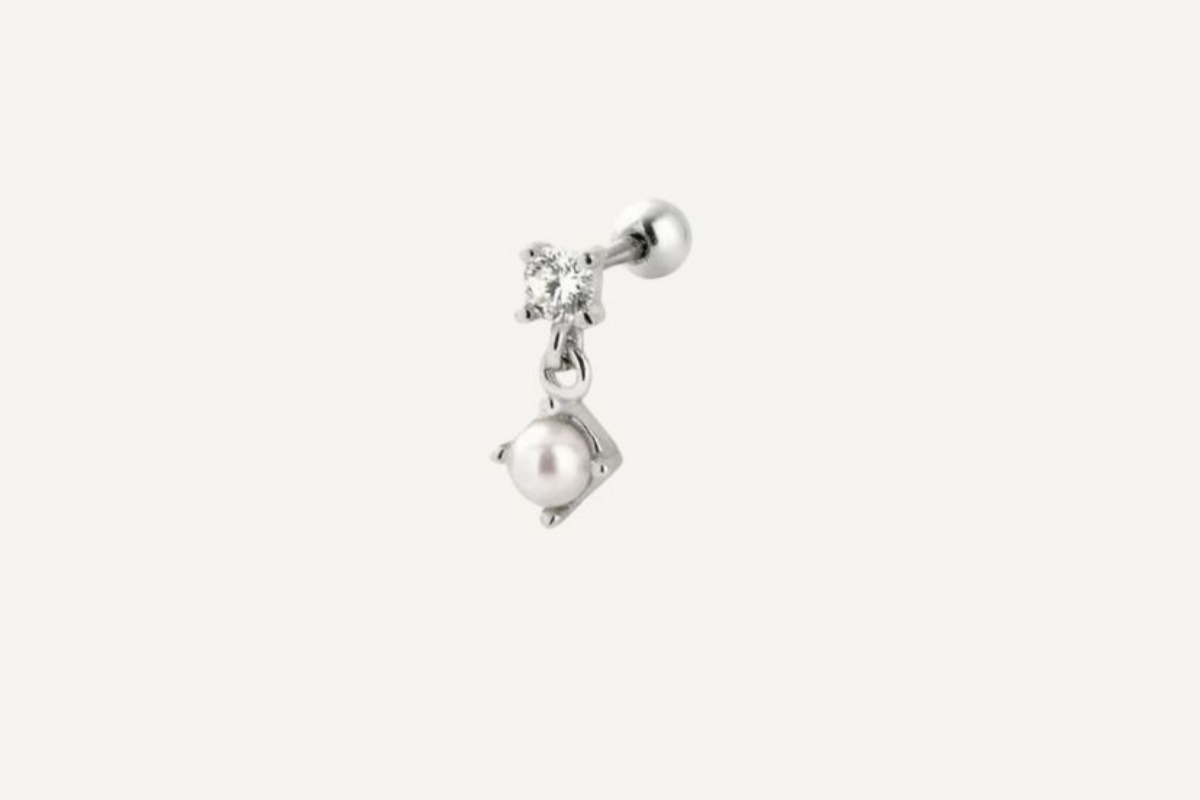
Biocompatibility and nickel-free
Are you looking for a safe material for your piercing? Titanium meets this need thanks to its exceptional biocompatibility. This metal almost never causes adverse reactions. You can wear a titanium jewelry piece without fearing a titanium allergy, as this metal is well tolerated by the skin.
Titanium does not contain nickel, a metal often responsible for severe allergic reactions. This absence of nickel protects your skin and reduces the risk of complications or infections.
Here is why titanium outperforms other materials for piercings:
Lightness: You can barely feel your jewelry, even after a long day.
Durability: Titanium does not corrode, tarnish, or wear out with daily use.
Hypoallergenic: You avoid irritation and skin reactions, even if your skin is sensitive.
Use in implants and piercings
Titanium plays a central role in the medical field. You can find this metal in several types of implants:
Fixed or removable prostheses
Endodontics for root canal preparation
Orthodontics
Professionals choose titanium for piercings because it has a quality certification: the ASTM F136 standard. This standard guarantees that the titanium used is a medically certified alloy, suitable for surgery and dentistry. You thus benefit from a completely inert, lightweight, and resistant material, which ensures maximum safety for prolonged use in the human body.
If you want to avoid any risk of titanium allergy, always choose ASTM F136 certified jewelry. You will then benefit from a metal recognized for its safety and biocompatibility, both for piercings and medical implants.
At Maylie&Lou, we only select ASTM F-136 certified titanium, recognized for its biocompatibility, to ensure maximum safety from the moment your piercing is placed.
Causes of titanium allergy
Impurities and corrosion
You should know that pure titanium remains very safe for piercings. However, certain factors can increase the risk of titanium allergy. Impurities present in the metal or alloy play an important role. Sometimes, traces of other metals such as aluminum or nickel can be found in the jewelry. These elements can cause a reaction in sensitive people.
Titanium corrosion can also promote an allergy. Several conditions make titanium less stable:
Decrease in pH around the jewelry, often linked to inflammation or infection.
Galvanic coupling, that is, the presence of two different metals in contact, which accelerates corrosion.
Presence of microorganisms that alter the piercing environment.
Mixing with other metals such as nickel or aluminum on implants or jewelry.
You should always choose a certified titanium jewelry piece to limit the risks associated with impurities and corrosion.
Individual predispositions
Titanium allergy remains very rare. Medical studies show that only a few people exhibit a reaction to this metal. You may have a genetic predisposition that increases the risk. Specific mutations, particularly those affecting the genes encoding the TGF-Beta protein, are sometimes linked to allergies, including titanium allergy.
Here are the main identified risk factors:
Pre-existing allergic background, such as an allergy to other metals.
History of orthopedic prosthesis failure.
Genetic mutations that alter the immune response.
Allergy is a hypersensitivity reaction. Your immune system must be dysregulated for the reaction to occur. You must also be exposed to titanium for the allergy to appear.
Epidemiological data confirms the rarity of titanium allergy. You can wear a titanium jewelry piece without fear in the vast majority of cases.
Symptoms and diagnosis
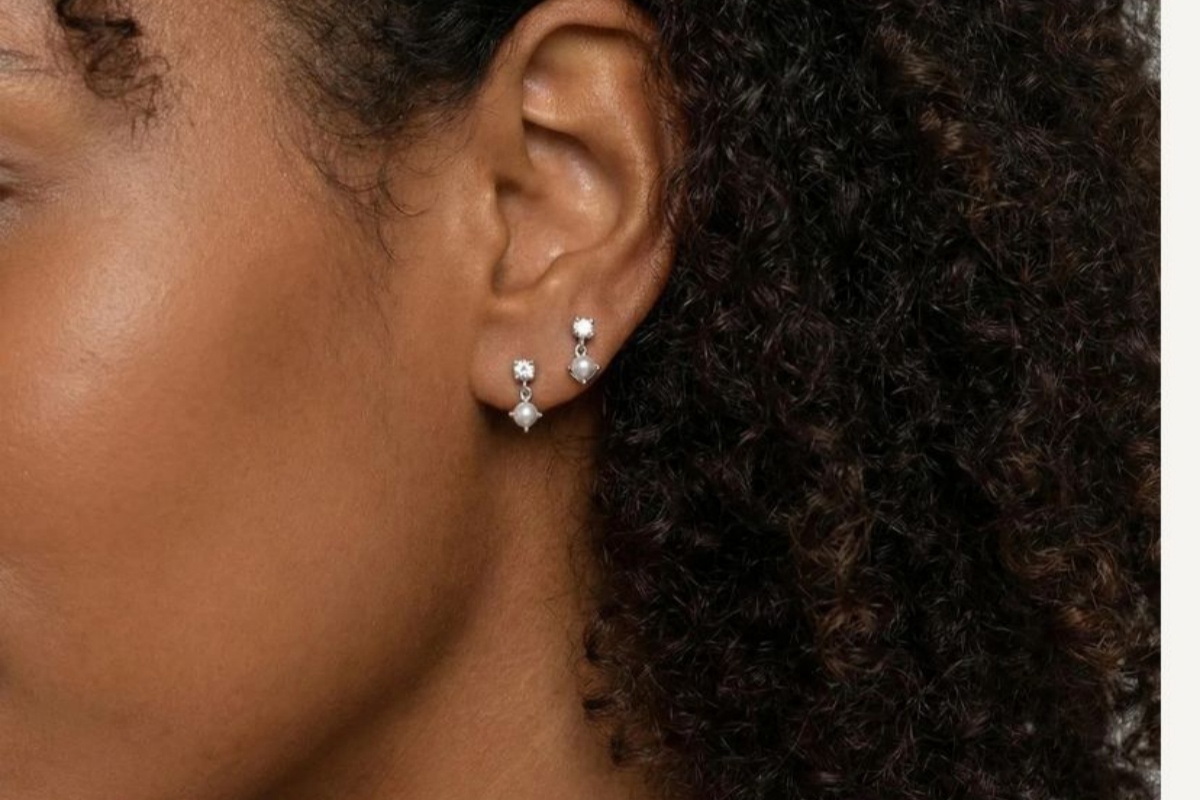
Signs of titanium allergy
You can recognize a titanium allergy through several visible and felt signs. Symptoms often appear around the piercing and persist despite usual care. Here are the most common manifestations:
Persistent redness that does not disappear over time
Chronic inflammation, sometimes accompanied by swelling
Itching that bothers you daily
Oozing, that is, a discharge of liquid around the jewelry
Pain or spontaneous rejection of the jewelry by your body
If you observe these symptoms, it is important not to ignore them. An allergic reaction can resemble an infection or mechanical irritation, but it lasts longer and does not improve with classic care.
Tests and the role of the professional
You will not find a standardized test to diagnose a titanium allergy. Professionals use several methods to differentiate an allergy from an infection or irritation:
Allergic history: The professional asks you questions about your history and the appearance of symptoms.
Clinical examination: They observe your skin and analyze the lesions to identify specific signs of an allergic reaction.
Allergic tests: The patch test reproduces the reaction on your skin. The MELISA test measures sensitivity at the cellular and immunological level.
The clinical context remains essential. You should consult a professional if you suspect an allergy. They will know how to choose the appropriate test and interpret the results. You thus obtain a reliable diagnosis and personalized advice to manage the situation.
Do not hesitate to ask for the opinion of a specialist if you feel persistent discomfort or if your jewelry is rejected by your body. An accurate diagnosis helps you avoid complications and choose a suitable solution.
Management and prevention
What to do in case of titanium allergy
Are you noticing persistent symptoms around your piercing? You must act quickly to avoid complications. Remove the jewelry as soon as possible and consult a healthcare professional. A doctor can confirm titanium allergy through specialized tests. Several solutions exist to relieve allergic reactions:
Remove the titanium jewelry or implant to stop the symptoms.
Perform allergic tests to identify the exact cause.
Use medication to soothe inflammation or itching.
Do not wait for the situation to worsen. A professional will know how to guide you toward the best solution and help you choose jewelry suited to your skin.
Alternatives and jewelry choices
Want to avoid another reaction? Several hypoallergenic materials are recommended for sensitive people:
Zirconium, recognized for its biocompatibility and clinical effectiveness.
Platinum, appreciated for its hypoallergenic properties.
Niobium, often used as a safe alternative.
To choose a suitable piercing jewelry piece, you must follow certain criteria:
Opt for smooth finishes without coating.
Avoid allergenic metals such as nickel.
Titanium certification remains essential. This lightweight and robust metal is suitable for sensitive skin and guarantees optimal durability. You enjoy personalized and reliable jewelry.
Aspect |
Details |
|---|---|
Wearing sterile gloves |
Protection against infections |
Single-use equipment |
Reduction of the risk of contamination |
Clean premises |
Hygienic environment |
A qualified piercer offers you tailored advice for healing and places the jewelry with precision. You thus reduce the risk of allergy or complication.
You should remember that titanium allergy remains very rare. You can recognize a reaction through signs such as redness or inflammation. If you have any doubt, consult a healthcare professional. This specialist evaluates allergies, chooses the best material, and adapts the jewelry to your health. To prevent reactions, choose quality jewelry:
Medical titanium, 14K/18K gold, surgical steel
Hypoallergenic silver, nickel-free, with antimicrobial properties
You thus ensure the safety of your piercing and the comfort of your skin.
FAQ
Can titanium rust in my piercing ?
No, titanium does not rust. This metal forms a natural protective layer. You can wear a titanium jewelry piece in the shower or at the pool without fearing corrosion.
How to know if my jewelry is really titanium ?
Always ask your piercer for an ASTM F136 certificate. Check the jewelry tag. A serious professional will show you proof of the material's quality.
Can I keep my titanium piercing during an MRI ?
Yes, you can keep your titanium jewelry piece during an MRI. Titanium does not react to magnetic fields. You do not need to remove it for this exam.
What signs indicate a titanium allergy ?
Observe your skin. If you see persistent redness, swelling, itching, or oozing, consult a professional. These signs may indicate an allergic reaction.
What materials to choose if I am allergic to titanium ?
You can choose niobium, platinum, or zirconium. These materials are also hypoallergenic and safe for piercings.


